“Why do so few Nigerians buy insurance?” That question naturally follows Nigeria’s insurance penetration numbers. With a population of more than 200 million people, over 70% of Nigerians have no form of insurance as of 2025, according to the Nigerian Council of Registered Insurance Brokers (NCRIB).
When Sim Shagaya, the entrepreneur who founded Konga, an e-commerce platform, and uLesson and Miva Open University, began looking for answers, he got the same answer: Nigerians do not believe in insurance.
Yet that explanation never fully aligned with his observations.
“It’s not that Nigerians don’t understand protection,” he told TechCabal in an interview on May 11. “The desire for protection is there. What has been lacking is the distribution of structured protection products to people who haven’t had it.”
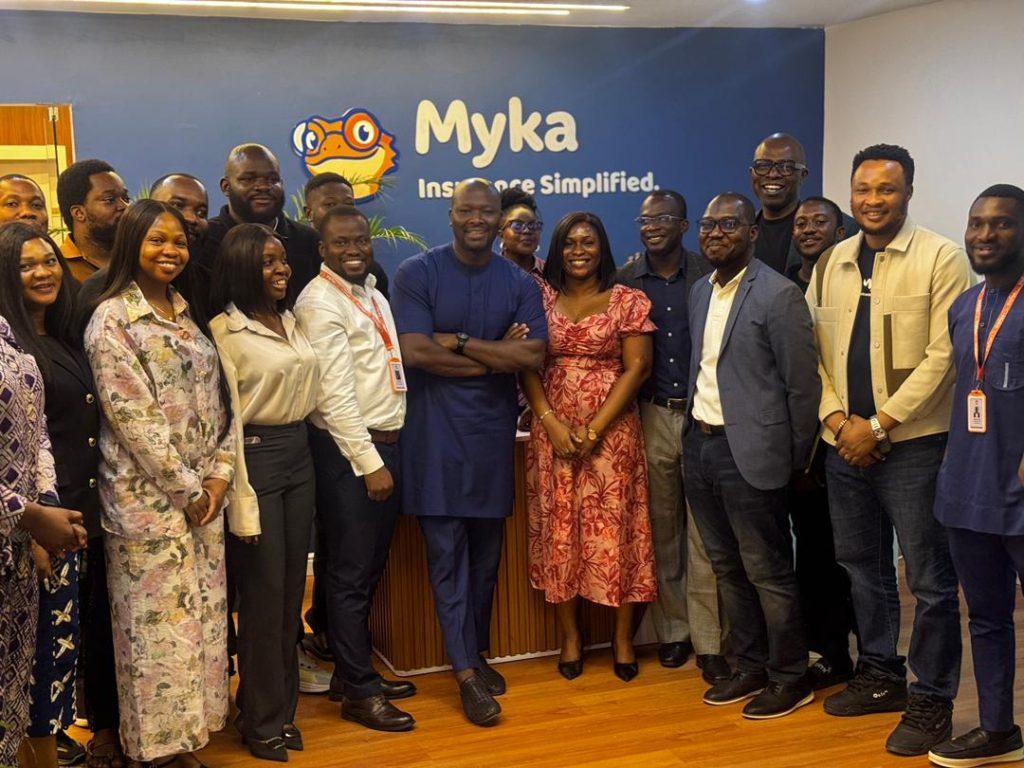
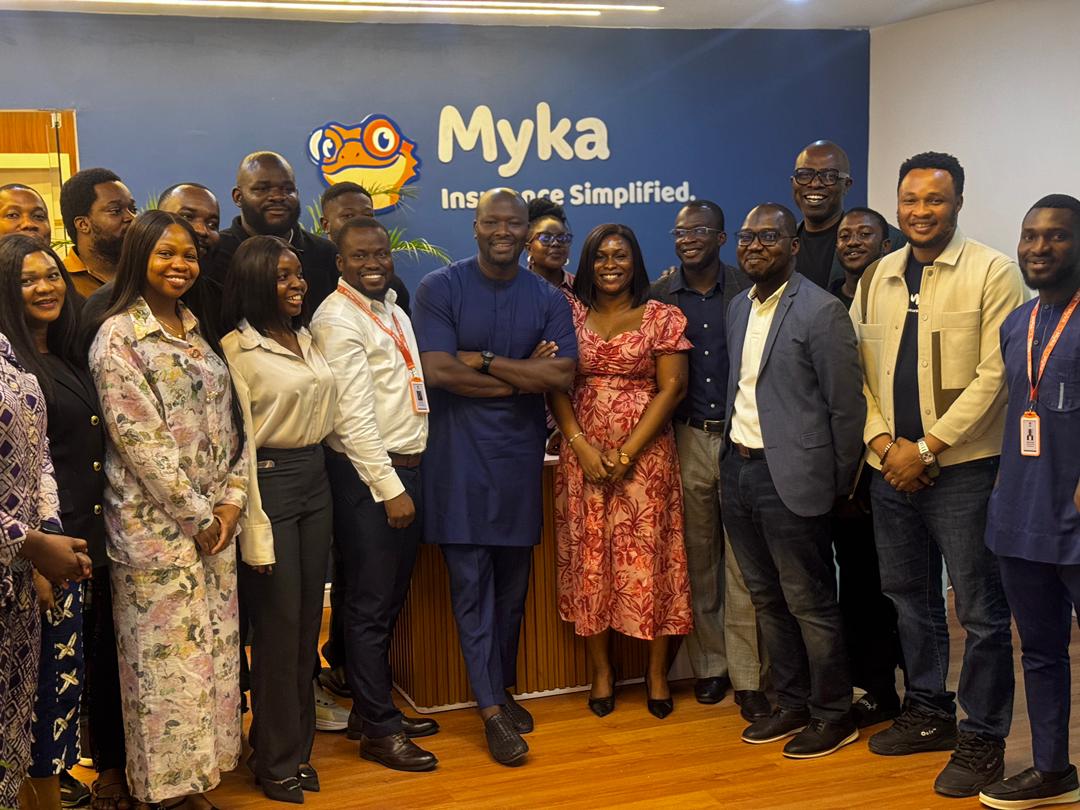
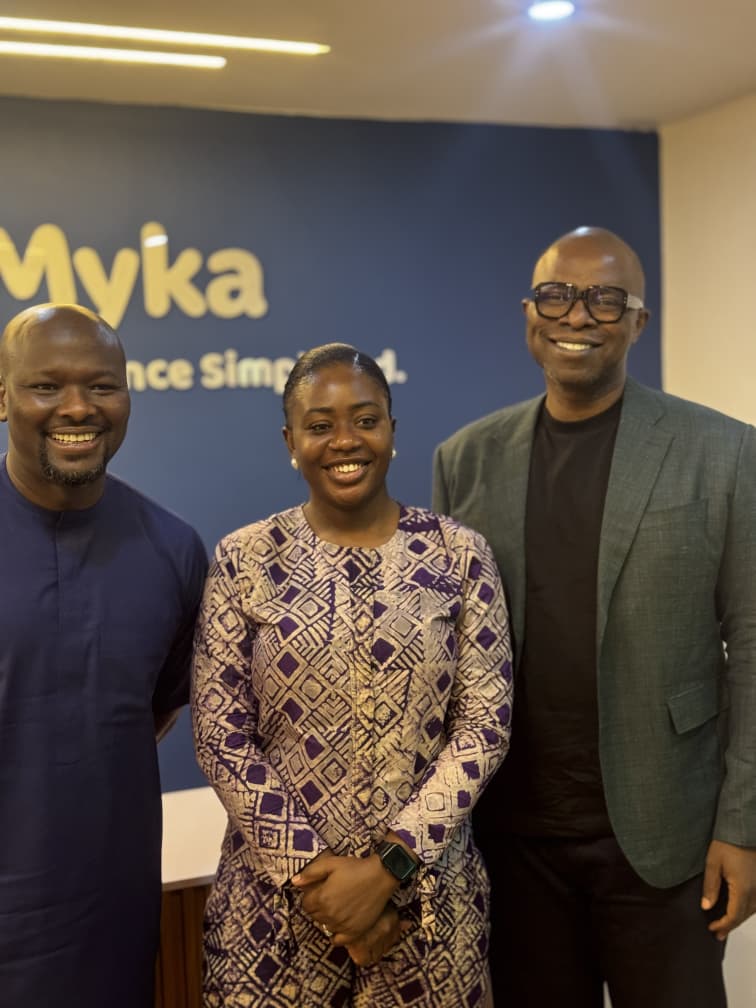
After more than a decade of building businesses that solved access and distribution challenges, he launched Myka, a licenced digital broker that enables consumers and businesses to purchase insurance products from multiple providers.
Myka is backed by Ventures Platform, TLcom, Shola Akinlade, co-founder of Paystack; Ridwan Olalere, founder of LemFi; and Olumide Soyombo, founder of Voltron Capital, in an undisclosed pre-seed round. It launches with insurance products spanning motor, gadget, property, health, life, and travel insurance.
The billion-dollar industry with a retail problem
Nigeria’s insurance industry recorded an aggregate sum of over ₦4 trillion ($2.9 billion) in total assets in Q4 2025, according to data from the Insurance Market Performance report published by the National Insurance Commission (NAICOM), the country’s insurance regulator.
Despite its size, the industry’s reach remains limited, with most insurance premiums coming from large corporate customers who typically provide coverage as an employee benefit, Shagaya noted. This leaves retail adoption lagging far behind the market’s scale.
Low awareness, cost perception, limited distribution channels, and low trust in the industry have posed a challenge to insurance adoption by Nigerians.
“One thing that has caused issues in the industry has been a lack of trust, which has happened because the claims payment process has not been great,” Shagaya said. “Nigerians have felt like they buy insurance, but when it’s time to claim, it’s cumbersome, it’s hectic, it’s difficult, and oftentimes they feel like they are treated unfairly.”
According to him, that trust deficit was reinforced by a prevalence of fake insurance policies and fragmented records across the industry. Without reliable verification systems, consumers struggled to confirm that their coverage was genuine.
However, over the past year, the industry has undergone reforms through the Nigeria Insurance Industry Reform Act 2025, which placed retail insurance and digitisation at the centre of the sector’s growth strategy. The reform was aimed at expanding access, strengthening consumer protections, improving claims settlement, and creating the infrastructure needed to bring insurance to Nigerians who have been excluded from the market.
For Shagaya, the reforms create the conditions needed for Myka to bring retail insurance to more Nigerians.
How Myka works
Myka’s response to Nigeria’s insurance problem begins with a consumer app that lets users purchase insurance policies across multiple categories and receive their policy documents directly on WhatsApp, according to Shagaya.
Myka operates as a digital broker, aggregating products from up to 17 insurance underwriters, including AIICO, emPLE, Cornerstone, Coronation, Leadway, Rex, and Tangerine, to allow customers to compare policies across providers.
Insurance companies create and underwrite policies, while Myka distributes those products, handles customer onboarding, and manages customer experience, he noted. It integrates with insurers via Application Programming Interfaces (APIs).
Shagaya noted that the platform is designed to reduce documentation errors that pose challenges during insurance claims. For motor insurance, Myka can verify vehicle information and match identities against regulatory databases, according to him.
Myka takes a different approach to claims by building repair networks that connect policyholders, people who buy insurance policies, with service providers.
He gave the example of a customer with gadget insurance and a damaged phone screen who can report the incident, receive directions to an approved repair centre, and have the device fixed without paying out of pocket. The same model is being extended to vehicle insurance claims to reduce downtime and remove friction.
To support that system, Myka uses National Identification Number (NIN) identity verification, biometric checks, and AI-powered tools that compare policy information against claims data.
However, Shagaya noted that selling insurance through an app is only one part of Myka’s vision.
Agency banking, but for insurance
While the insurance tech industry has focused on digital-first distribution, Shagaya argued that insurance adoption in Nigeria could be driven by a distribution strategy that makes insurance policies available where people already make purchasing decisions.
“People have talked a lot about embedding insurance in checkout flows and in digital flows, but I think that that is a mistake. I think that doesn’t speak to our reality,” he said. “The truth is that the flows in Nigeria are very manual for a lot of businesses. Nobody has provided a channel for a car dealer to sell comprehensive or third-party insurance as the car is being sold. That is a role that Myka seeks to fill.”
According to Shagaya, in May, Myka’s Structured Customer Referral Program was admitted into NAICOM’s regulatory sandbox designed to test innovative insurance products, services, and business models.
The referral program, he explained, allows Myka to explore a community-based distribution model in which trusted individuals and organisations can refer insurance products within their networks. Under the model, a pharmacist could recommend or sell health insurance products, while a travel agent could recommend travel insurance when booking an international trip. Community associations and other local networks could also introduce insurance products to their members through Myka’s partner platform.
The model drew inspiration from agency banking, which expanded access to financial services by relying on local agents.
“This work would not be possible without the kind of regulatory engagement that NAICOM has shown,” he said. “That openness to exploring new models—while maintaining the consumer protection standards that should always come first—is what a thoughtful regulator looks like. We are grateful for it and committed to honouring the trust it represents.”
The startup’s distribution strategy also resonated with investors. Myka launched with an undisclosed pre-seed round from a group of investors who are betting on the new approach to insurance distribution to expand adoption.
“We’ve seen these sorts of agent models work really well and be successful for some of our portfolio companies, including Moniepoint. We think that there’s got to be some innovation around how you distribute insurance,” Kola Aina, founding partner at Ventures Platform, told TechCabal in an interview. “This is why we’re eager to observe all the experimentation that Sim and the team will carry out over the next several months, as they roll out the products.”
Aina argued for the opportunity to address the low adoption of insurance in the country.
“We’ve always believed that there’s a significant opportunity to create consumption of insurance,” he added. “Insurance can play a really critical role in improving prosperity, improving the size of the economy, and just improving livelihoods. We think that solving insurance at scale in Nigeria can add to our mission of expanding and democratising prosperity.”
Like most insurance brokers, Myka generates revenue by earning commissions from insurance providers for policies sold through its platform and distribution network. The startup joins a growing field of startups in the insurance sector, including Curacel, Casava, and PaddyCover, which are modernising different sectors of Nigeria’s insurance industry.
More than a decade after building businesses in e-commerce and education, Shagaya is once again making a distribution bet.
“I’ve gained a lot of experience in Nigerian distribution, and I’ve not seen that distribution problem as acute anywhere as it is in insurance,” he said. “The scale of how underserved this market is staggering.”
Myka’s success will depend on whether Shagaya’s diagnosis of Nigeria’s insurance problem was correct. If that thesis proves true, it could mean that millions of Nigerians who have never purchased insurance could access insurance in a way that aligns with how they make decisions.