Kenya’s Finance Bill 2026 has proposed a series of tax changes that could raise the cost of locally assembled smartphones while making imported handsets cheaper, threatening the viability of local plants built by M-KOPA and Sun King.
The Bill removes the zero-rated VAT status enjoyed by locally assembled phones, imposes a 25% excise duty on domestically manufactured devices, and exempts imported finished phones from the Import Declaration Fee and the Railway Development Levy. A Kenya Association of Manufacturers (KAM) position paper, seen by TechCabal, said the measures will erase the competitive advantage that attracted investment into local assembly.
The proposals have raised concerns that Kenya could undermine an industry it deliberately nurtured through the Finance Act 2022, which introduced zero-rated VAT on locally assembled phones to attract manufacturers and lower smartphone prices.
“The foundational tax structure underpinning the creation, growth, and sustainability of the industry will be eroded,” the position paper said, warning that the proposals could lead to factory closures, job losses, and undermine Kenya’s digital economy ambitions.
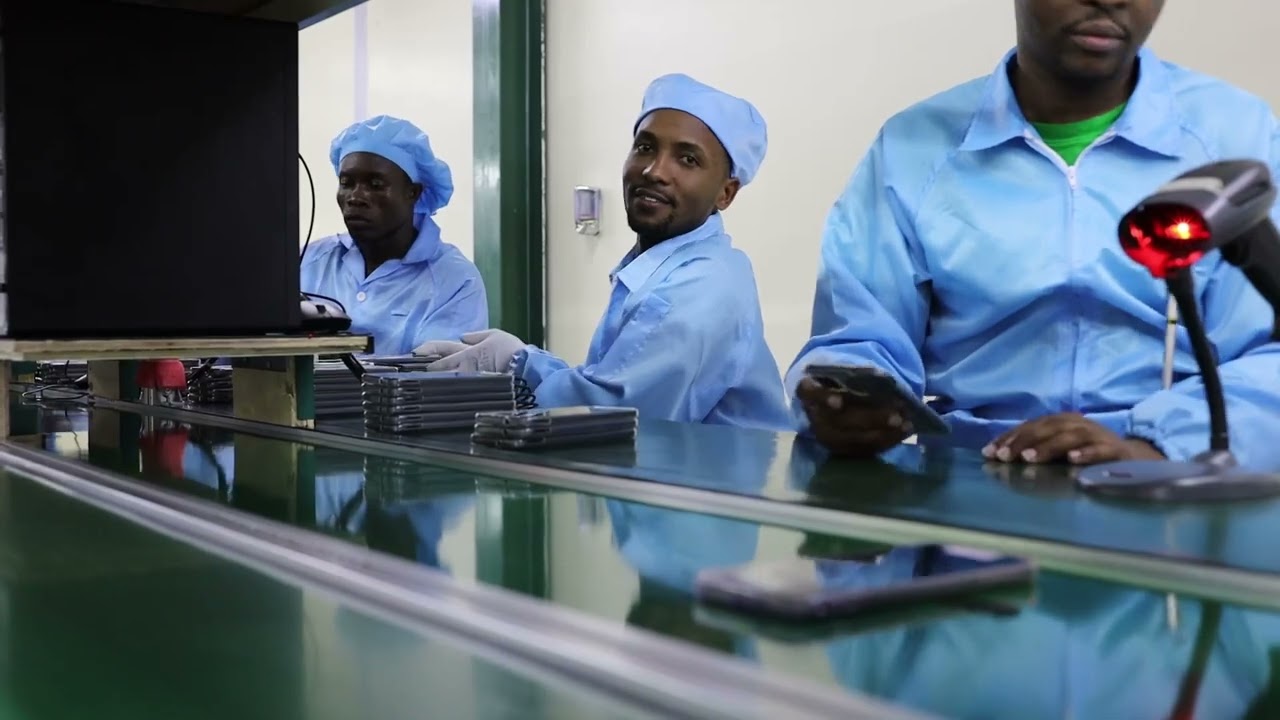
M-KOPA, one of the largest local assemblers, employs an estimated 500 workers at its assembly plant, which has a monthly production capacity of 300,000 smartphones. Since launching local production in 2023, the company has manufactured more than 3.5 million devices, supplying Kenya and regional markets through its pay-as-you-go financing model.
Sun King also invested in local manufacturing; it opened a Nairobi assembly plant in October 2025 as it expanded beyond solar products into smartphone production, betting on Kenya’s ambition to become a regional electronics manufacturing hub.
According to the position paper, the proposed VAT changes will prevent local assemblers from recovering tax paid on components, spare parts, electricity, and other production inputs. Those costs could be passed on to consumers, raising device prices.
The changes to VAT will also require companies to reverse previously claimed input VAT on inventory already in stock, potentially putting pressure on working capital. The 25% increase in excise duty on locally manufactured phones will likely raise device prices by KES 2,500 ($20).
Exempting imported finished phones from the Import Declaration Fee and the Railway Development Levy, without extending similar relief to imported components, will leave local manufacturers facing higher production costs than their foreign competitors, according to industry submissions to Parliament.
Since 2023, the local assembly has created hundreds of manufacturing jobs, expanded access to affordable smartphones, and positioned Kenya as an emerging electronics production hub serving East Africa. Companies like M-KOPA are already exporting locally assembled devices to neighbouring markets.