
IN PARTNERSHIP WITH
Good morning 🔆
Apple users, update your devices ASAP.
Last week, Apple announced that two security vulnerabilities in its software could be—and has been—exploited by hackers. The plot security holes could allow hackers gain remote access to users’ devices.
If you haven’t already, download the latest iOS 15.6.1 update on your iOS devices so hackers don’t see all the resignation letters you never sent. 💀
Go to iPhone Settings ➡️ General ➡️ Software Update to download and install iOS 15.6.1. The update is approximately 300 MB, and takes about 30 minutes to complete.
Pro tip: Update during work hours so you have an extra 30-minute break. If Tim has cooked up new excuses for you, who are you to deny them? 😉
CRYPTO MARKET: E-NAIRA HITS ₦4 BILLION

|
|

|
|---|---|---|
|
Bitcoin 
|
$21,523 |
+ 2.26% |
|
Ether
|
$1,620 |
+ 3.23% |
|
BNB
|
$299 |
+ 6.39% |
|
Solana
|
$36.24 |
+ 3.65% |
|
Cardano
|
$0.46 |
+ 4.62% |
|
|
Source: CoinMarketCap
|
|
* Data as of 22:00 PM WAT, August 21, 2022.
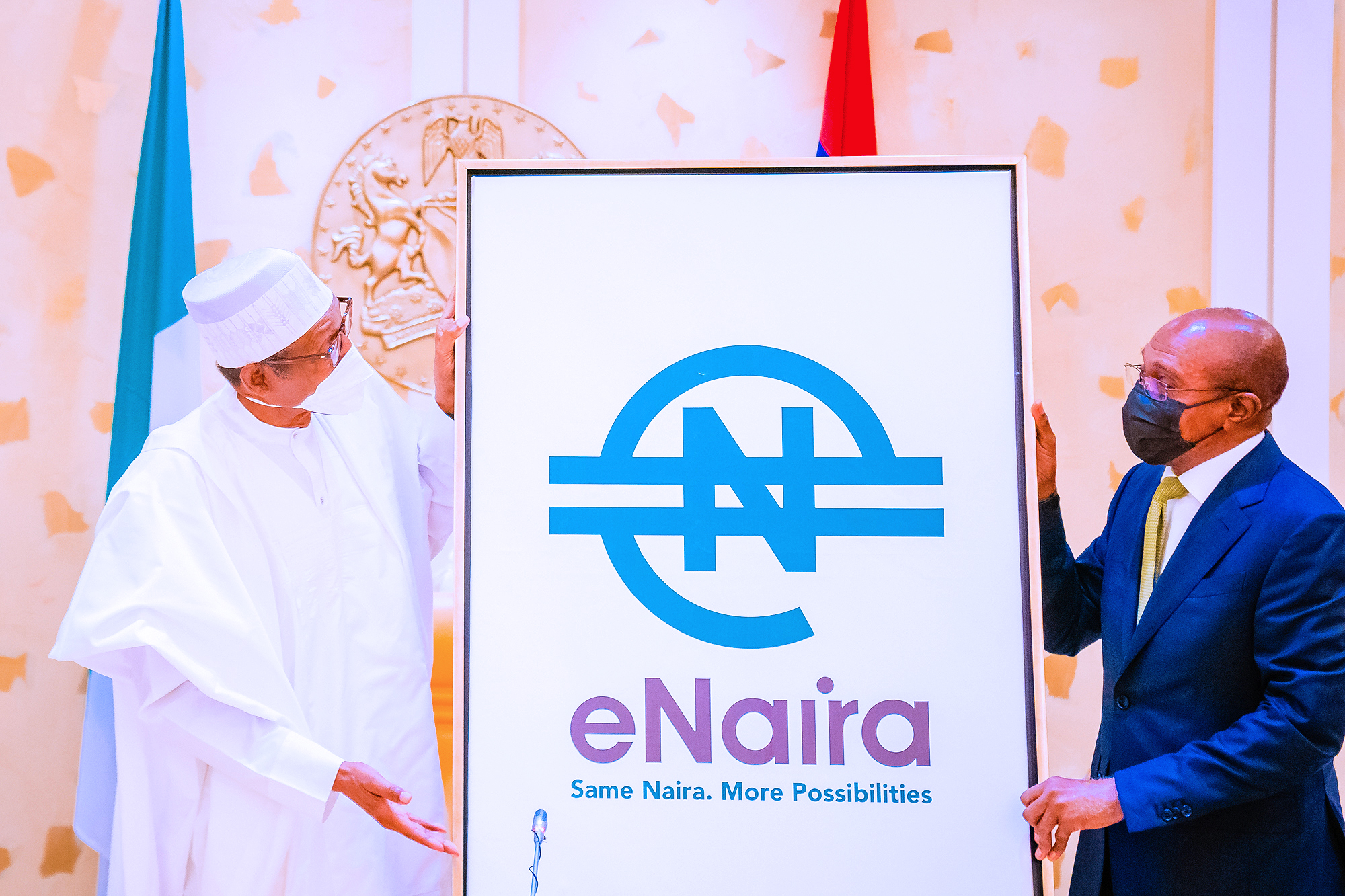
Eleven months after a rocky launch, Nigeria’s Central Bank Digital Currency (CBDC), the e-naira, has recorded ₦4 billion ($9.3 million ) in transactions.
According to the Central Bank of Nigeria (CBN) governor, Godwin Emefiele, over 200,000 transactions valued at ₦4 billion have been made on the platform. The e-naira app has reached 840,000 downloads, with about 270,000 active wallets comprising over 252,000 consumer wallets, and 17,000 merchant wallets.
But it’s not enough for Emefiele and the CBN. After completing the first [launch] phase of the CBDC, the Nigerian government plans to get 8 million active subscribers in a second implementation phase that includes launching USSD transactions.
Most digital currencies are unavailable to Africans because they require smartphones and internet access. Nigeria’s internet penetration rate is at 37.3% while less than 40 million have smartphones. This means over 100 million Nigerians are excluded from digital initiatives like the e-naira.
With USSD though, things will change. CBN plans to achieve its 8 million target by allowing more Nigerians—especially those without access to digitisation—to access the e-naira. Over the next couple of weeks, Nigerians can create, fund, and use e-naira wallets by dialling *997#.
While Nigeria is the first African country to launch CBDC, other African countries have plans in motion, and are using the CBN’s successes and failures as guidelines. Kenya, Madagascar, Eswatini, Rwanda, Ghana, Morocco, and Tunisia have already instituted plans to launch CBDCs, which are in various stages of development.


NIGERIA GOES AFTER PREDATORY DIGITAL LENDERS AGAIN
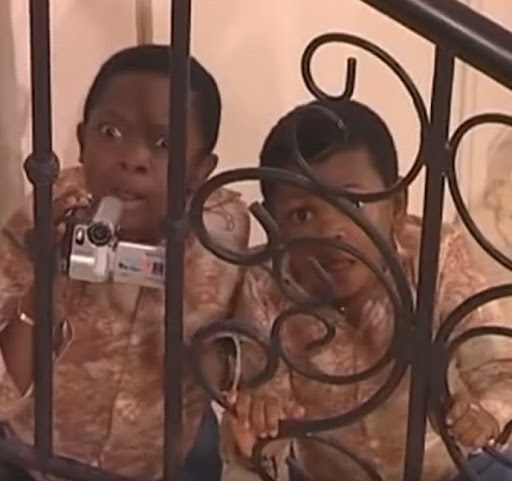
If there’s anything the Nigerian government has done well this year, it’s creating a disabling environment for predatory digital lenders.
Earlier this year, three governmental agencies shut down six digital lenders for mishandling and violating users’ private data.
Earlier last year, its National Information Technology Development Agency (NITDA) slammed micro-loan platform Soko Loan with a ₦10 million fine for invasion of privacy.
Looks like Soko Loan didn’t learn its lesson.
Wagwan?
Last Thursday, the Federal Competition and Consumer Protection Commission (FCCPC) conducted a raid on Soko Lending Limited. According to vice-chairman Babatunde Irukera, “Soko Lending appears to be the most consequential digital money lender with multiple apps and brand names covering a significant share of the digital/online lending market, and one of the most prolific actors in violating consumer privacy, fair lending terms and ethical loan repayment/recovery practices.”
The agency has also gotten orders to stop any of Soko’s activities that bypass Nigerian regulations.
It also ordered fintechs and telcos to stop processing payments and providing operational support to illegal digital lenders.
Big picture: Nigeria is also following Kenya’s footsteps in regulating its digital lending space. This year alone, Kenya has created new regulations that mandate licensing for digital lenders, and forces them to disclose the source of their funds. Likewise, Nigeria’s FCCPC has announced new guidelines—the Limited Interim Regulatory/Registration Framework and Guidelines for Digital Lending—that will help in regulating its trillion naira lending space.

Don’t just send money, send money fast. Send and receive money directly to mobile wallets, bank accounts, Barter or through cash pickup with $end.
Visit send.flutterwave.com and do it now!
This is partner content.
RAIN’S FALLING RESOLUTIONS ON 5G
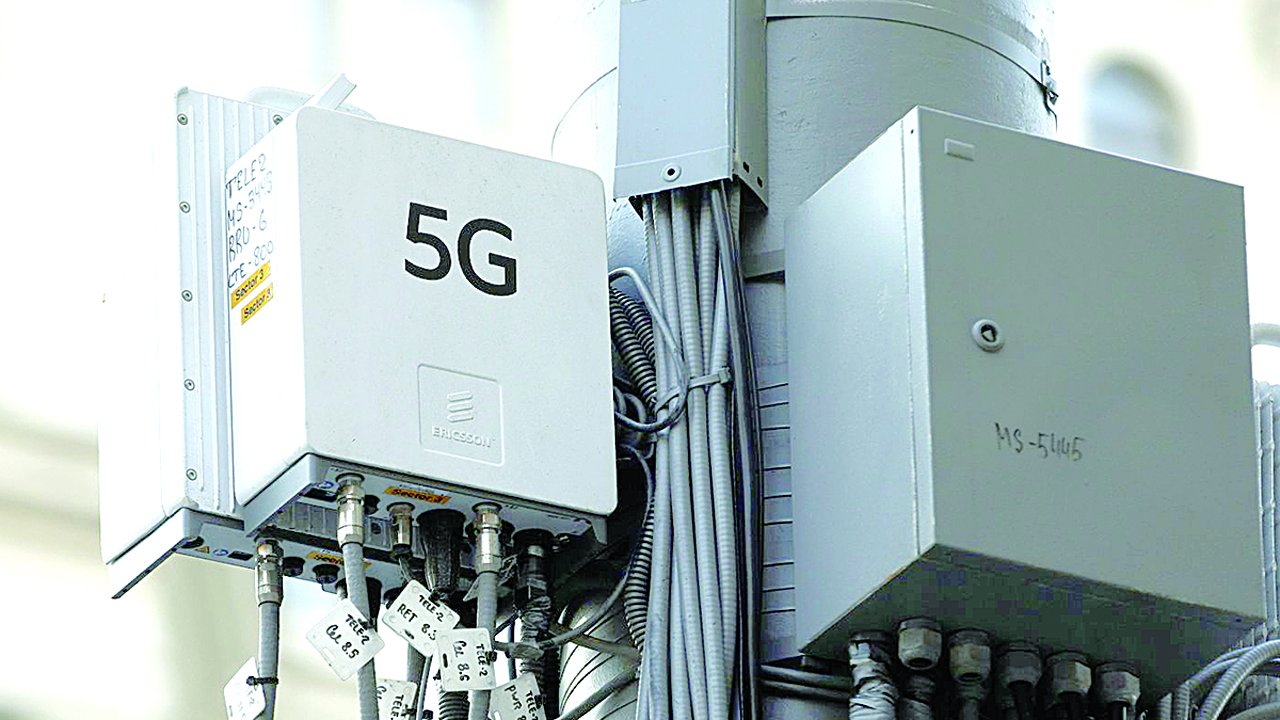
Only 6 African countries have rolled out 5G connections, and just over 1% of the continent’s mobile connections are 5G.
But even the countries that have 5G, might not be doing 2 well.
Last week, South Africa’s mobile-data-only network Rain faced the country’s Advertising Regulatory Board (ARB) after customers complained that Rain’s advertising was misleading.
According to My BroadBand, Rain’s unlimited home 5G product specified that it offers “Download speeds up to 25Mbps” and “HD (720p) video streaming”. Its customers, however, have been experiencing different.
In the same way MTN isn’t everywhere you go 💀, Rain’s product, according to a customer, can’t deliver streaming video at resolutions higher than 480p. The complaints made the ARB consider Rain’s advertisement as misleading.
The ARB reached out to Rain to clarify the issue, and Rain stood by its advertising, claiming that it can in fact reach 720p resolutions.
The agency, however, disagreed with Rain and offered a simple solution that removes ambiguity: adding “up to 720p” to its terms, which means consumers should understand any decreased resolution.
So far, Rain has confirmed that it has taken up the ARB’s recommendations and will be removing all forms of ambiguity in future ads.
NIGERIA REVOKES LICENCES OF 50 TV AND RADIO STATIONS
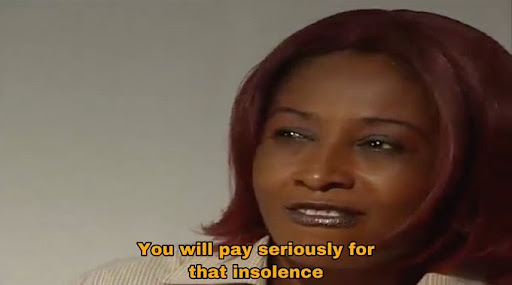
While its consumer protection agency goes after digital lenders, Nigeria’s Broadcasting bulldog, the NBC, is going after TVand radio stations.
Last week, the NBC revoked the licences of 50 TV and radio stations including Africa Independent Television (AIT) and Silverbird Television (STV) over a collective debt worth ₦2.6 billion ($6.1 million).
According to NBC DG, Balarabe Shehu Ilelah, some of the defaulting stations have been accruing debts since 2015. The DG also mentioned that the NBC had earlier published a list of erring broadcasting stations in May, and granted them two weeks to pay off the debts and renew their licences.
Three months on, some stations are yet to adhere to NBC’s guidelines.
In fresh proceedings, the NBC has now revoked the licences of the stations pending payment of the ₦2.6 billion debt.
Zoom out: While the NBC initially gave all the stations 24 hours to shut down operations, it extended the deadline to Tuesday, August 23. The agency also gave a 30-day deadline for all affected stations to renew their licences or face further penalties.
TC INSIGHTS: WHO WINS THE STREAMING WARS?
Movie rental was the norm across African households over two decades ago. These rental shops were often informal ventures and an unstructured market for movie consumption, which resulted in piracy.
As telecommunications services grew within the continent and internet connectivity moved from being a luxury to a necessity, video streaming platforms turned their sights to Africa. Currently, global platforms like Netflix and Amazon Prime are present in different markets across the continent.
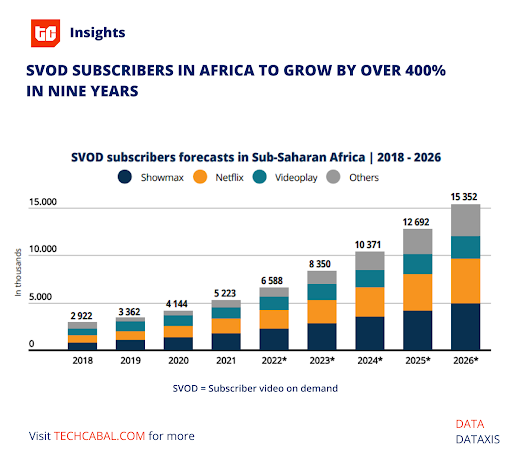
A report by Conviva shows that the demand for streaming services in key African markets grew 273% in Q3 2021. The subscriber video-on-demand (SVOD) market in sub-Saharan Africa has grown with the number of streaming subscribers almost doubling to reach just over two million between 2018 and 2021.
This number is expected to jump threefold to over 15 million subscribers by 2026 as competition between local platforms and international giants wax strong. Showmax, South Africa’s MultiChoice streaming platform, dominates the market with almost two million subscribers in 2021 and is projected to reach five million subscribers by 2026. Netflix follows closely with subscribers expected to hit 4.7 million from 1.7 million within the same period while VideoPlay, owned by the South African mobile operator Vodacom will see a subscriber growth of 1.1 million subscribers in 2021 to 2.4 million by the end of 2026.
“The biggest attraction of the African market to streaming giants is the prospect of growth. It’s the potential, not the reality of the market, that they can acquire more users,”
David Adeleke, publisher at Communiqué, a publication that analyses the media business in Africa, said in a chat with TechCabal.
Similarly, African movies have caught the world’s attention. The recent deals among African film and TV producers and global studios and streamers mark a sharp change from previous decades when the continent was ignored.
While the streaming culture has grown significantly in Africa in recent years, it’s important to note that it can’t leapfrog poor infrastructure. Many regions still battle with spotty and expensive internet. With this in mind, video streaming platforms have resorted to mobile-only plans.
Although many Africans still download movies illegally, it is likely to change as video streaming becomes more mainstream on the continent.
“People will go to cinemas less and watch more movies on streaming platforms, resulting in low revenue for the traditional movie industry. However, there will be more opportunities for independent production companies and a chance at discoverability”, Adeleke further shared.
Africa has a growing young and tech-savvy population and is a potential market for digital products and services, although the addressable market may be much lower. It is a risky venture that may lead to outsized returns for video streaming platforms that choose to wait.
You can download all our reports here and watch videos from our events. Send your custom research requests here.

Increase your online sales with a Paystack Storefront – a free, beautiful seller page that helps you bring creative ideas to life.
👉🏾 Learn more at paystack.com/storefront.
This is partner content.
EVENT: THE FUTURE OF WORK
The rise of automation is setting a new rule in the workspace. Fourteen percent of jobs are likely to be automated and technology continues to take on human roles. Thus, individuals need reskilling that helps them transition into this new workspace.
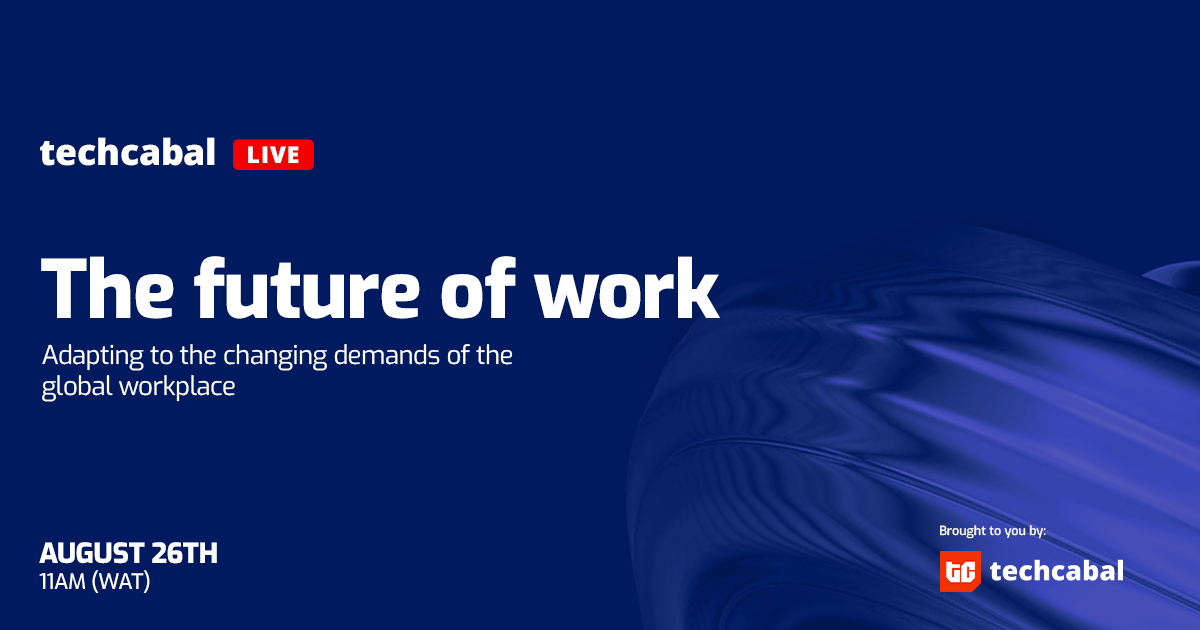
How are businesses operating in this new reality, and how are individuals adapting to the changing demands of the global workplace?
On Friday, August 26, we’ll be discussing this on TechCabal Live.
Book your seat here.
IN OTHER NEWS FROM TECHCABAL
Nigerian e-commerce platform, Omnibiz, raises $15 million pre-Series A.
Kenyan agritech, iProcure, raises $10.2 million Series B to drive East African expansion.
CROSSWORD: GUESS THE APP
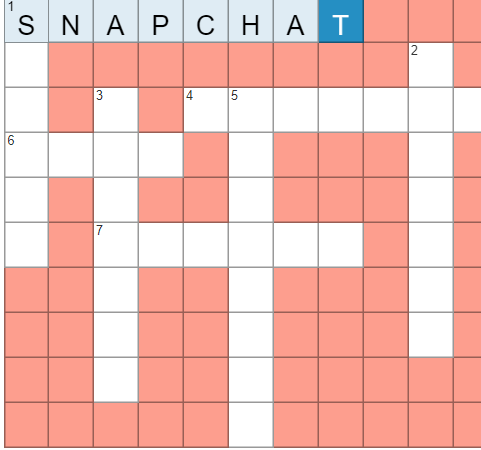
We guessed Snapchat right! Play Guess the app, and see how long it takes you to find all your favourite apps.
JOB OPPORTUNITIES
- Big Cabal Media – Head of Events, Newsletter Editor – Lagos, Nigeria
- Klasha – Product Manager—Mobile, Senior Product Designer – Cape Town, South Africa
- TeamApt – Technical Product Manager, Enterprise Architect, Business Analyst – Remote
- Mono – Full stack Engineer – Nigeria (Remote)
- Yellowcard – Product Owner, Country Manager—Zambia – Africa (Remote)
What else is happening in tech?
- Amidst tech layoffs, is GetEquity enforcing 30–50% salary cuts for employees?
- What the law says about DStv’s $12,000 fine for airing a BBC bandit documentary.
- Kenyan startup Afya Rekod partners with UK’s Medi-Science.
- Portchie launches SA’s first generative canvas NFT art collection.
SHARE THIS NEWSLETTER


Written by – Timi Odueso & Mobolaji Adebayo
Edited by – Kelechi Njoku
Want more of TechCabal? Sign up for our insightful newsletters on the business and economy of tech in Africa.
- The Next Wave: futuristic analysis of the business of tech in Africa.
- TC Weekender : weekly roundup of the most important tech news out of Africa.
- Entering Tech: tech career insights and opportunities in your inbox every Wednesday at 12 PM WAT.