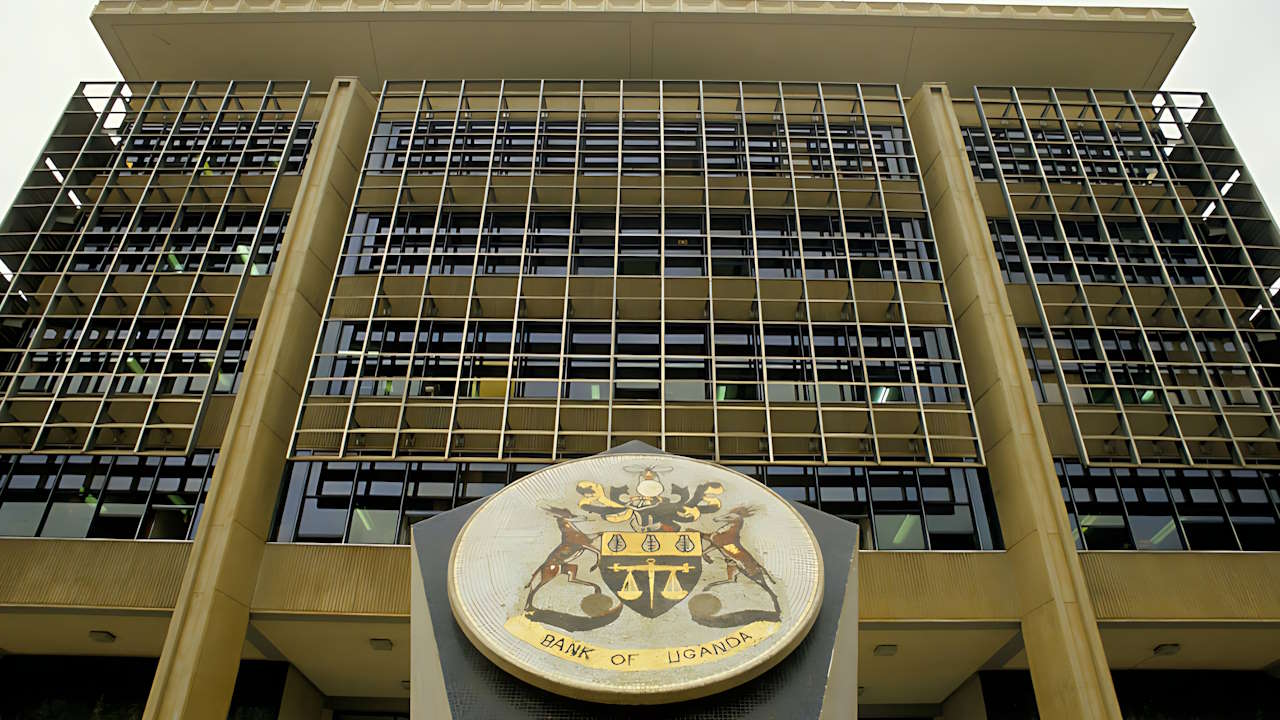
The Bank of Uganda (BoU) has increased its interest rates for the second straight month from 10% to 10.25%—the highest point in nearly seven years—as the East African country seeks to curb inflation and arrest the depreciation of the shilling.
The country’s inflation dropped to 3.3% in March from 3.4% in February, driven by a reduction in food inflation which dropped to -0.4% from 0.5%. Still, the policymakers maintained that elevated inflation risks persist due to global factors and exchange rate woes.
Michael Atingi-Ego, BoU deputy governor, said in a virtual briefing on Monday that the country’s core inflation is projected to rise between 5.5% to 6% in the next 12 months, and will return to the 5% target in the second half of 2025.
“The evolution of inflation remains challenging, influenced by factors such as the shilling exchange rate, supply-side shocks, global inflation, and domestic food supply. Forecasts have been adjusted downwards to the previous round, largely due to [the] relative stability of the shilling exchange rate,” Atingi-Ego said.
The BoU’s raise is expected to continue shoring up the Ugandan shilling, which has been in a free fall since February. Atingi-Ego said that the shilling’s drop was caused by foreign investors withdrawing funds from Uganda to look for higher yields in other markets.
The local currency, one of the best performing in Africa at the start of the year, has dropped by 4% despite the central bank’s interventions.
“The recent CBR increase has had a spillover effect of stabilising the shilling exchange rate. However, the shilling remains vulnerable due to outflows of short-term foreign investor funds from the domestic market in search of attractive yield in other markets and strong domestic demand by corporates,” Atingi-Ego said.
The BoU’s growth forecast for the country’s economy for the current fiscal year that ends in June remained at 6% despite the challenging macroeconomic environment.