TechCabal

Search

Follow us

  • X
  • LinkedIn
  • TikTok
  • WhatsApp
  • Facebook
  • Instagram
  • YouTube

Flagships

Ask An Investor

Center Stage

My Life In Tech

Factsheet

Digital Nomads

The BackEnd

Web3

Quick Fire

Newsletters

TC Daily

Entering Tech

The Next Wave

TC Weekender

Events

Reports

TC Insights

Video

About

Advertise

Tech Women Lagos

Our Editorial Policies

TechCabal

Quick Links

  • EOY2025
  • The Builders’ List 2025
  • Calculate your tax

Search

Menu

  • MainOne Equinix Solutions, which deployed Nigeria’s first private-sector-led submarine cable infrastructure in 2010, has suffered three major fiber cuts since its launch. Each repair took an average of six weeks or more—one of the longest timelines globally—causing prolonged internet disruptions in key cities like Lagos.

    Globally, submarine cable repairs are typically completed in five to fifteen days, but in Africa, months-long delays have become the norm. When the BCS East-West Interlink cable between Lithuania and Sweden was damaged on November 17, 2024, it was repaired in just 11 days. By contrast, MainOne’s past three fiber cuts took an average of six weeks each, exposing a critical weakness in Africa’s digital infrastructure.

    Why do repairs take so long?

    At the Submarine Cables Resilience Summit in Abuja, organized by the International Telecommunication Union (ITU), industry experts identified the biggest obstacles:

    • Limited Access to Repair Ships: Unlike Europe and North America, which have dedicated repair vessels stationed nearby, Africa lacks specialized ships, leading to delays in mobilization.
    • Bureaucratic Red Tape: Obtaining government permits for repairs can take months. A single permit in Africa can cost up to $1 million and requires navigating multiple agencies.
    • High Repair Costs: Each fix costs around $2 million, but many operators lack the financial resources to respond swiftly.

    The Côte d’Ivoire cable crisis

    On March 13, 2024, an underwater avalanche off Côte d’Ivoire’s coast severely damaged four major submarine cables—ACE, MainOne, South Atlantic 3, and WACS—crippling internet connectivity across 13 West African countries, including Nigeria, Ghana, and South Africa.

    The West Indian Ocean Cable Company (WIOCC) attempted to reroute traffic but faced long delays due to intergovernmental red tape. The result? A continent-wide disruption that lasted for over two months, with final repairs completed only on May 16, 2024.

    In contrast, North America and Europe have strategic cable redundancy—multiple cables backing each other up. Africa, by comparison, is dangerously reliant on just a few international cables, making each failure disproportionately damaging.

    Africa currently has 74 submarine cable systems, far fewer than Europe’s 152 or the 88 that connect the United States alone. Worse, about 90% of African countries lack even a single dedicated submarine cable—a gap that makes the continent more vulnerable to disruptions.

    Most cable damage is caused by human activity—fishing trawlers and ship anchors account for 70–80% of incidents. Other causes include seafloor currents, equipment failures, and natural disasters like the one that struck Côte d’Ivoire.
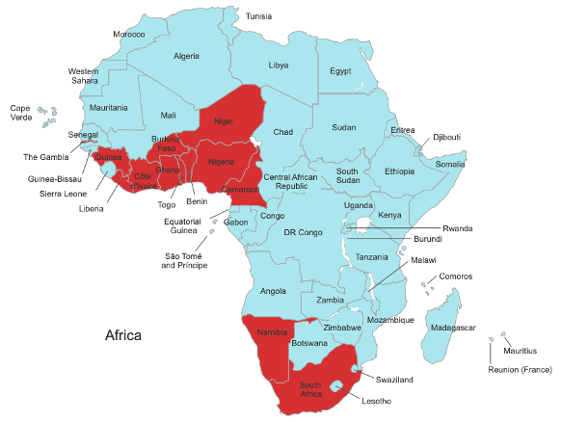
    Image Credit: internetsociety.org

    The cost of inaction

    • Regional collaboration to invest in repair ships stationed closer to African waters.
    • Faster government approvals to cut down unnecessary delays.
    • Incentives for private investment to strengthen Africa’s internet infrastructure.

    “We need to have regional conversations on submarine cable deployment and protection in Africa,” said Jane Munga, Fellow at Carnegie Endowment for International Peace. “Without better policies, Africa’s internet will remain fragile.”
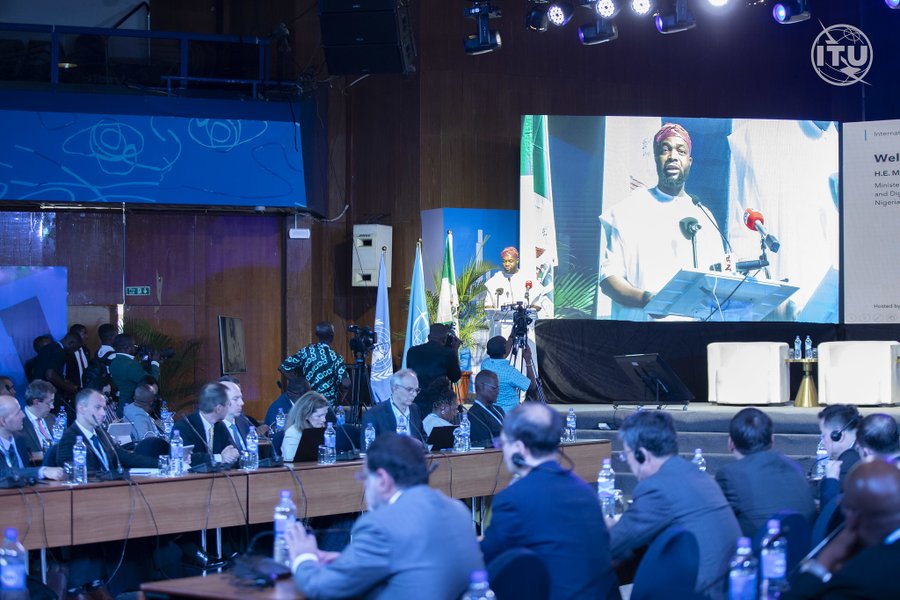
    Solutions exist, but progress remains slow. Image: ITU summit.

    The ITU and the International Cable Protection Committee (ICPC) have launched a new advisory body to improve global resilience in submarine cable networks. Co-chaired by Nigeria’s Minister of Communications, Bosun Tijani, and Portugal’s Sandra Maximiano, the panel aims to accelerate solutions.

    But without aggressive reforms, Africa risks remaining the world’s most vulnerable region for internet blackouts—one cable cut away from another months-long digital shutdown.


  • Nigeria’s food delivery scene is booming, but beyond dominant players like Chowdeck, Glovo, and Food Court, a new wave of startups is emerging. These companies are focused on hyperlocal needs, from campus-specific cravings to regional delicacies unavailable on mainstream platforms.

    While the big players dominate major cities, these challengers thrive by going where others won’t. Some specialize in serving university students with affordable late-night meals, while others focus on delivering beloved local dishes to customers outside their native regions. They’re proving that in Nigeria’s massive food market, success isn’t about reaching everyone—it’s about reaching the right people.

    Campus-focused food delivery Startups

    1. CHAO 

    Chao targets students with food, groceries, and medicine delivery across campuses. Currently operating at the University of Port Harcourt and Pan-Atlantic University, with plans to expand to 12 more locations, Chao’s web app features local vendors and major chains like Kilimanjaro and Chicken Republic.

    Founded in 2021 by Gift Akobundu (CEO) and Melvin Senne-Aya (COO), Chao has grown rapidly since its launch at Babcock University in 2022. It has remained bootstrapped so far and has processed ₦70 million in gross merchandise value across 25,000 orders. Its self-reported revenue for 2024 was ₦17.5 million ($11, 669) and it disbursed ₦10 million to riders. The startup’s advantage? Proximity to students, which enables faster delivery and stronger brand loyalty.

    1. BelaChow

    BelaChow, formerly known as Belarush, is a campus-based food delivery app serving Lead City University in Ibadan and Redeemer’s University in Ede. It caters to student favorites, from street food like mai shayi and akara to meals from major chains like KFC, Burger King, and Item7Go.

    Beyond food, BelaChow also offers laundry services to students, with basic plans starting at ₦7,000 for ironing and ₦10,000 for full-service washing, folding, and ironing. Meal deliveries start as low as ₦1,000, with delivery fees from ₦250. Information on its founders and funding remains undisclosed.

    1. Yabatech Food 

    Yabatech Food Delivery serves students in and around Yaba College of Technology and the University of Lagos. The platform focuses on hyperlocal delivery, allowing students to order meals from nearby restaurants for as little as ₦1,000. Unlike its competitors, it operates without a mobile app, relying on a web-based ordering system.

    Regional & hyperlocal startups

    1. Ogwugo 

    Based in Enugu, Ogwugo has built a strong following in Eastern Nigeria, particularly in Nsukka. The platform mixes mainstream chains like Chicken Republic with local favorites specializing in Eastern delicacies like ntachi osa, nkwobi, and oha soup.

    Founded in 2017 by software developer Ugochukwu Aronu, Ogwugo has raised $51,000 in funding, with backing from the Ford Foundation. Food prices range from ₦1,400 to ₦5,000, with free delivery in some areas, though service fees vary.

    1. Olili

    Founded in 2019 by Nweze Ikechukwu Emeka, Olili operates in Asaba and Warri, featuring an extensive selection of local restaurants. By 2021, the startup had processed over 14,000 orders and attracted 3,400 users. The startup raised $125,000 in seed funding in 2020, fueling its early expansion.

    A key differentiator for Olili is its wide selection of local foods. A typical delivery from Asaba Mall to Asaba Terminal costs ₦1,950. 

    1. Dado Food

    Dado operates in Enugu and Abuja, offering delivery from restaurants, local markets, grocery stores, and pharmacies. The platform adjusts its offerings based on the city: Enugu customers get access to Chicken Republic, while Abuja customers see a heavier focus on local eateries.

    Founded in 2017 by Ugome Chukwuebuka, Isaac David Mayowa, and Chukwu Chinasa, Dado charges a delivery fee of ₦6,510 for orders from a restaurant in 6th Avenue, Gwarinpa, to Abuja Continental.

    1. Foodelo

    Founded in November 2021 by Eunice Anthony, an alumna of the Federal University of Agriculture, Abeokuta, Foodelo offers on-demand food delivery in both Lagos and Abeokuta, Nigeria.  

    The platform is accessible via web and mobile app and currently features a wider variety of local restaurants in Lagos, while Abeokuta’s selection is still expanding.

    Lagos based startups

    1.  ChowCentral 

    Originally launched as 500Chow, ChowCentral is a cloud kitchen that gained traction during the COVID-19 lockdown. The YC-backed startup generates over $80,000 in monthly revenue and primarily serves Lagos, focusing on Lekki, Oniru, Victoria Island, Surulere, Ajah, and Yaba.

    Founded by Tosin Onafuye, Christopher Obasi, and Adeyemo Onafuye, ChowCentral sells meals starting at ₦2,000 and is available on platforms like Chowdeck, Glovo, and Pocket by Piggyvest.

    1. UrbanEats

    After spending nine years in the UK, Halima Kasumu returned to Nigeria with a mission: bring high-end restaurant meals straight to customers’ doors. Founded in 2023, UrbanEats operates in Lekki, Ikoyi, and Victoria Island, featuring premium restaurants like Ikoko, Chow City, Cindy’s, and Adun Kitchen.

    UrbanEats encourages customer retention through a meal points system—you’ll earn ₦10 for every ₦4,000 spent. For instance, if you spend N4000 on your order, you get ₦300 Mealbot points.

    1. OjaNow

    Founded by three Nigerian friends—Demi Hastruup, Jamal Kasumu, and Alvin Ukpeh—OjaNow is an on-demand delivery startup offering groceries, alcohol, electronics, and gifts. The service operates 24/7 in Lagos, with prices starting at ₦250.

    In 2024, OjaNow raised $150,000 in pre-seed funding at a $6 million valuation. The company stocks over 300 products in strategically located storage facilities to ensure rapid delivery.

    .

  • In partnership with
    Fincra logo
    Lire en Français
    اقرأ هذا باللغة العربية

    Happy pre-TGIF! ☀️️

    Nigeria wants Flutterwave on the Nigerian Exchange (NGX), but the $3 billion fintech and a cash-hungry stock exchange don’t seem to be the perfect match. The NGX loves profits, Flutterwave loves growth—one of them has to compromise, and it won’t be the startup.

    Flutterwave listing on the NGX sounds great, until you realise the stock market might not have enough cash to make it work. We detail why it makes business sense for Flutterwave’s IPO to land somewhere else—if it happens at all—despite Nigeria making passes at it.

    today's edition image
    • Sterling increases staff salary by 35%
    • Edukoya, a Nigerian edtech platform, shuts down
    • South Africa’s inflation quickens to 3.2% in January
    • World Wide Web 3
    • Events

    Banking

    Sterling increases staff salary by 35%

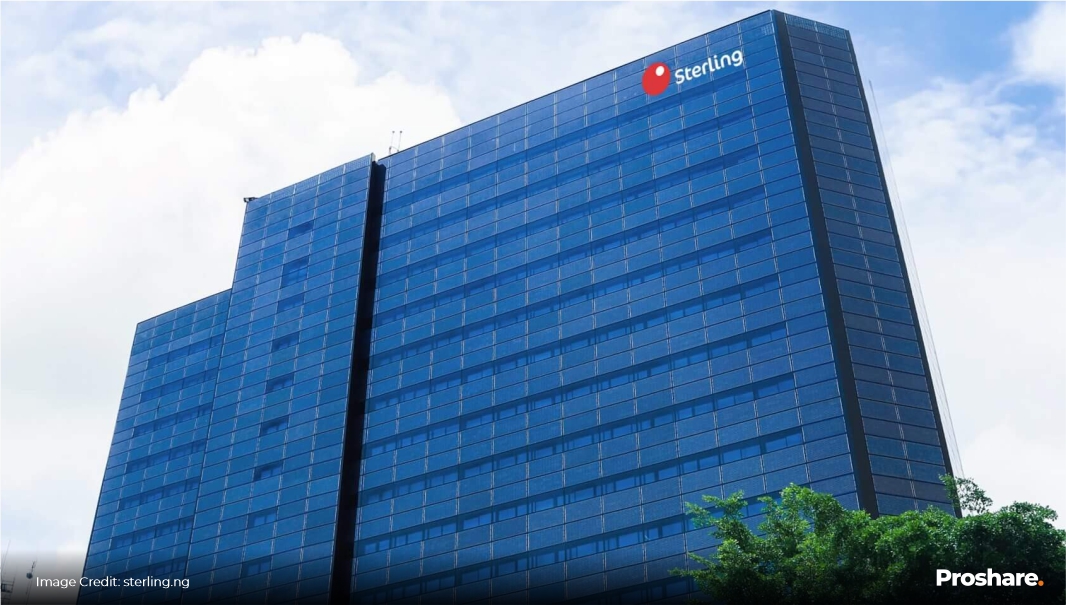
    Sterling Financial Holding Company/Image Source: Sterling Bank via Proshare

    When the Japa wave—Nigeria’s mass exodus of talent—began, one of its most significant consequences was brain drain. Many industries lost top professionals, and the banking sector was hit particularly hard.

    For Nigerian banks, the challenge was twofold: they were losing talent not just to emigration but also to fintechs, which offered competitive salaries—sometimes double what banks paid.

    Now, banks are responding. In January, we reported that Sterling Bank, a tier-2 Nigerian bank, raised staff salaries by 7% and paid a cost-of-living adjustment (COLA) stipend; however, the meagre increase did not sit well with its employees who have seen other banks like GTBank, Union Bank, and Zenith Bank all increase salaries by 20%–40% in the last few months. In response, Sterling Bank increased salaries again by 35% on Wednesday. These pay hikes come at a crucial time when Nigeria is grappling with its worst cost-of-living crisis in decades, with inflation soaring; retaining talent has never been more urgent.

    But for Sterling Bank, these salary adjustments aren’t just about retention—they are central to its broader vision. While best known for its banking operations, Sterling is aggressively expanding into fintech, asset financing, and even electric vehicles. Leadership sees talent retention as critical to executing this strategy.

    Under the new structure, executive trainees (entry-level employees) will now earn ₦528,000 ($352) net monthly. Assistant Banking Officers (ABO) will take home about ₦850,000 ($567), while Banking Officers (BO) will see their salaries rise from ₦700,000 ($467) to ₦1,030,000 ($687). Senior Banking Officers (SBO) will now earn ₦1.1 million ($733), and Assistant Managers (AM) will receive ₦1.3 million ($867) per month.

    These raises reflect the bank’s commitment to attracting and keeping the best talent as it deepens its footprint in fintech and asset financing.

    But the big question remains: Will this be enough to stop top talent from leaving?

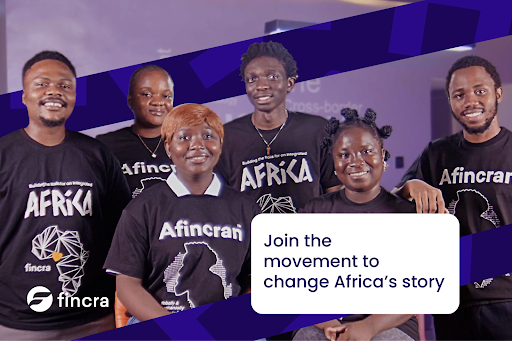
    Are you an Afincran?

    If you’re building solutions for Africa, you already are. Join Fincra’s mission to empower Africa through collaborative innovation. Together, we’re building the rails for an integrated Africa. Join the Afincran movement—let’s drive change!

    Startups

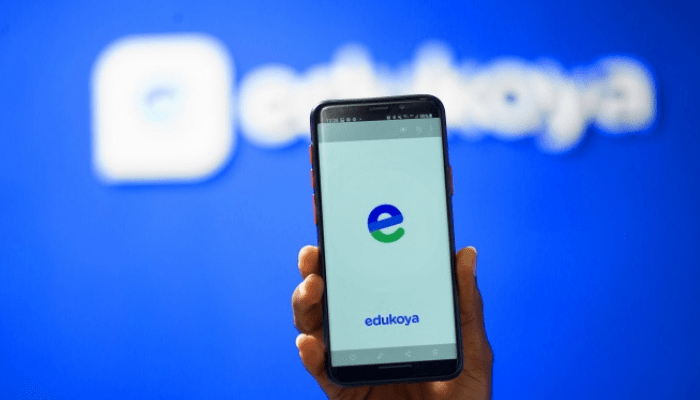
    Edukoya, a Nigerian edtech platform, shuts down

    Image Source: Google

    Edukoya, a Nigerian edtech startup that set out to revolutionise K-12 online learning, has shut down. The company, which raised Africa’s largest pre-seed funding of $3.5 million in 2021, cited market readiness issues, limited access to devices, and challenging economic conditions as reasons for shutting down and returning investor capital.

    The startup also faced a balancing act between attracting parents and paying tutors. Edukoya paid over ₦200,000 ($134) per month to tutors, a competitive wage aimed at maintaining quality. This was higher than the average ₦60,000 ($40) that underpaid teachers in peri-urban and rural schools earned, making Edukoya’s offer enticing. With this structure, it was clear Edukoya hired top tutors, passing the shared cost of paying them and maintaining their operations onto parents. Yet, the company’s inability to scale profitably suggests that it either did not have enough paying users or priced its service too high for mass adoption. 

    Founded in 2021, Edukoya entered an already competitive Nigerian edtech market but struggled to establish a strong foothold. Unlike established players like uLesson and Tuteria, which refined their pricing and targeted specific customer segments, Edukoya took a broad approach, offering a freemium model that failed to convert free users into paying customers. It also faced stiff competition not just from other edtech startups but from Nigeria’s deeply rooted offline tutoring system, where many parents and students still preferred in-person learning. Students were returning to classrooms post-pandemic, so the urgency for digital education diminished.

    Edukoya also offered a freemium model which didn’t allow it to monetise instantly. Thus, without a product compelling enough to drive willingness among parents to pay, Edukoya faced monetisation challenges that ultimately stalled its growth. Yet, it’s not just Edukoya. Globally, K-12 edtechs have struggled; Byju’s, an Indian edtech unicorn which was valued $22 billion at its peak, went from hero to zero after scaling too fast and failing to prove the effectiveness of its product.

    Meanwhile, skill-based edtech platforms like AltSchool Africa, Product Dive, and Utiva are thriving by selling directly to adults. These businesses tap into a market where learners control their own spending and see clear economic benefits from upskilling.

    Edukoya’s shutdown poses a new question for Nigerian edtech operators: Is the market ready for broad K-12 edtech at scale, or are they better off targeting other customer verticals? 

    The opportunity seems to tilt toward providing a practical, career-driven education where students—not parents—make the purchasing decisions.

    You can now integrate Paystack with GiveWP
    You can now integrate Paystack with GiveWP

    GiveWP makes it easy to create donation pages and accept online donations on your WordPress site. With Paystack, you can securely receive payments for your donations effortlessly. Find out more here→

    Economy

    South Africa’s inflation quickens to 3.2% in January

    Image Source: Reuters

    South Africa’s inflation rate accelerated by 20 basis points (bps) to 3.2% in January, following a revision in how the consumer price index (CPI) is calculated. The change, made by Statistics South Africa, the country’s statistics agency, adjusted the weighting of household expenses in the inflation basket to reflect current spending habits more accurately.

    Notably, the share of housing and utilities increased to 28.1%, making it the biggest contributor to inflation, while transport and food saw slight decreases in weighting. Financial services and insurance costs were also given greater prominence, as these expenses have grown in importance for consumers.

    Alongside these shifts, the list of surveyed items was streamlined from 396 to 391, with five indexes reclassified. While everyday essentials such as food, fuel, and electricity remained key components, the overhaul placed more emphasis on categories like financial services, which saw a 5.5% increase, and insurance, which climbed 8%. These adjustments better capture modern spending patterns but also contributed to the slight inflation uptick.

    The update comes as the South African Reserve Bank (SARB) prepares for its next interest rate decision on March 20. Governor Lesetja Kganyago has warned that while inflation remains within the central bank’s target range (3%–6%), external factors—such as the US trade policies—could add inflationary pressure. Given this, analysts are predicting that the SARB is likely to hold rates steady—like Nigeria’s central bank in February after rebasing its Gross Domestic Product (GDP)—rather than ease further.

    While inflation is still relatively low compared to past years, the consistent acceleration in the last four months could raise concerns about price stability in markets. The latest CPI adjustments mean that inflation data will now provide a clearer picture of consumer expenses, particularly in key areas like housing and financial services. If inflation continues to rise, the SARB may delay any rate cuts, impacting borrowing costs and economic growth. For now, the rand remains stable, signaling cautious confidence in the central bank’s approach.

    The Moonshot Deal Book is Coming!
    Moonshot Ad Assets

    Introducing the Moonshot Deal Book—our exclusive collection of the most promising and investable startups in Africa. If you’re an investor looking for the most exciting investment opportunities on the continent, sign up to join the waitlist and you’ll be among the first to access this investor-focused resource once it is live. Join the waitlist.

    CRYPTO TRACKER

    The World Wide Web3

    Source:

    CoinMarketCap logo

    Coin Name

    Current Value

    Day

    Month

    Bitcoin $84,517

    – 5.07%

    – 17.26%

    Ether $2,339

    – 6.33%

    – 26.43%

    Pi $2.92

    + 75.93%

    + 71.90%

    Solana $136.43

    – 5.25%

    – 41.98%

    * Data as of 04:15 AM WAT, February 27, 2025.

    Events

    • Get ready for the media, marketing-tech revolution! Join MarkHack 4.0 at Landmark Event Centre. Engage to pitch, mentor, exhibit, sponsor, or attend. FREE entry! Register here.
    • For partnerships, call +234 703 186 9646.

    • GITEX AFRICA 3rd edition is NOW OPEN for registration. Africa’s largest tech and start-up event will be held from 14-16 April 2025 in Marrakech, Morocco. Attend to see the leading brands in tech, and the most innovative startups, and network with tech leaders, investors, speakers and government delegations from across Africa and across the globe. Register here.
    in other news image
    • Access Bank’s phased software update promised stability but customers are struggling
    • Nigeria has been courting Flutterwave to list on the NGX since 2023. Can it afford the fintech?
    • Can contactless payments finally take off in Nigeria? PalmPay and CashAfrica are working on it

    Written by: Faith Omoniyi & Emmanuel Nwosu

    Edited by: Olumuyiwa Olowogboyega

    Want more of TechCabal?

    Sign up for our insightful newsletters on the business and economy of tech in Africa.

    • The Next Wave: futuristic analysis of the business of tech in Africa.
    • Entering Tech: tech career insights and opportunities in your inbox every Wednesday at 10 AM WAT.
    • TC Scoops: breaking news from TechCabal

    P:S If you’re often missing TC Daily in your inbox, check your Promotions folder and move any edition of TC Daily from “Promotions” to your “Main” or “Primary” folder and TC Daily will always come to you.

    Email Us

TechCabal is a future-focused publication that speaks to African innovation and technology in depth

Follow us

  • X
  • LinkedIn
  • TikTok
  • WhatsApp
  • Facebook
  • Instagram
  • YouTube

Copyright ©2025. All rights reserved. Privacy & Terms.