In Nigeria, giving is how we hold each other up. It’s the pastor standing at the altar, saying someone in the choir’s drum set is broken, and worship can’t go on without it. The offering basket goes round again.
It’s schoolboys saving pocket money to buy a football. Market women contributing to hire night guards, or help one of their own buy food, settle rent, pay a levy. A neighbour’s child needing school fees.
You could call it charity, or fundraising, or Ajo. But whatever form it goes by, this generosity of spirit and empathy for brother and sister is a cultural and communal responsibility. A way of life, shaped by the understanding that all we have is each other, and our little help goes a really long way.
But even something this sacred can begin to strain. The ways we ask and give were never built to carry so much weight. They work, until they don’t. A Whatsapp message gets missed. A promise of help falls through. Money goes unaccounted for. Trust begins to thin.
The problem is not a lack of generosity; Nigerians have that in abundance, but a lack of structure. Giving becomes harder when the burden falls back on the people who are already in need: prove you’re not lying. Chase your donors. Manage your own fundraiser and comms and payment and disbursement processes. Hope for the best.
In October 2020, Nigeria witnessed something extraordinary. The EndSARS protests, sparked by young Nigerians protesting police brutality, was the nation’s first true collective act in a really long time. Across online and offline channels, Nigerians raised millions to support protesters with food, medical aid, legal services, transportation, and shelter.
People didn’t wait for institutions; they fed, protected, and amplified the movement through a collective sense of responsibility. But the cracks were inevitable. Spreadsheets trying to track what thousands of people were giving and receiving in real time. Some campaigns couldn’t be verified. Trust began to wobble, even among people with good intentions.
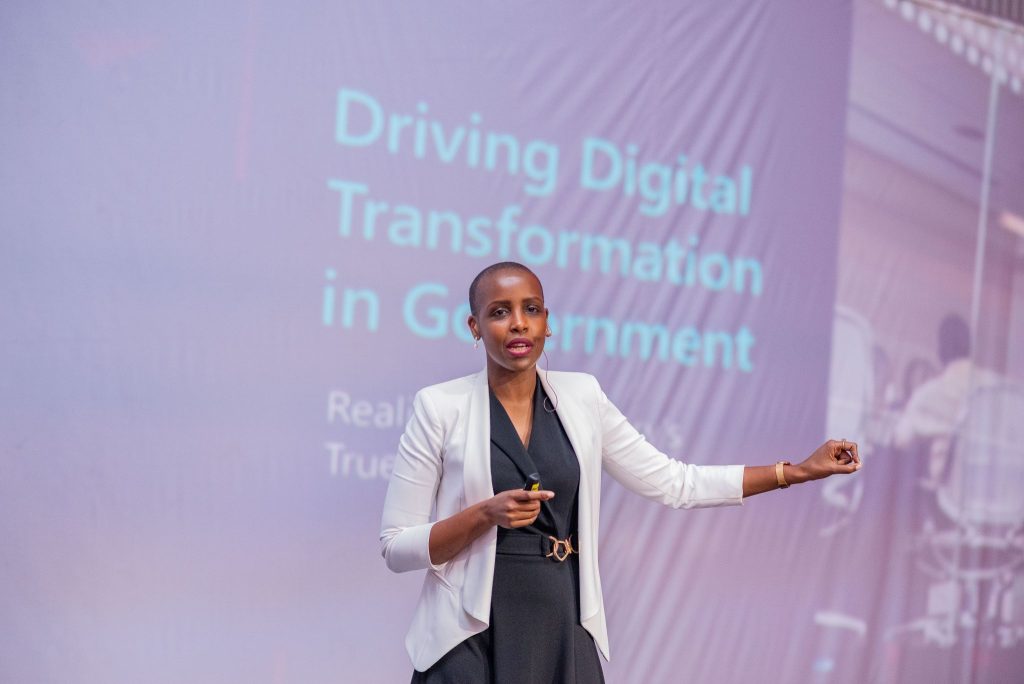
It was in the midst of this, that Adaobi Ajegbo began to ask why it was so hard to give at scale.
“I kept looking at how they were organizing and crowdfunding,” says Adaobi, reflecting on the protests. “I wasn’t living in Nigeria at the time, so I had the privilege of seeing it from a distance. And I just kept thinking that there had to be an easier way to make this happen.”
That gap became the starting point for Crowdr, a platform built to make asking and giving easier, safer, and more transparent. Not just a tool for fundraising, but a response to what EndSARS revealed: that mutual aid is powerful, but without the right infrastructure, even the most unified movement can buckle under its own weight.
“The problem we’re trying to solve is crowdfunding,” Adaobi says. “Making it easier, more accessible, and ultimately safer, to bridge that gap between people that are in need and people that are waiting to help.”
How Crowdr works
What does it take to trust someone who says, “I need help”?
The answer, for the Crowdr team, wasn’t just software, but structure. From the moment a user signs up, Crowdr starts building trust into the process.
For individuals and nonprofits alike, campaign creation begins with verification. Nonprofits are asked to provide legal registration numbers and evidence of activity. Individuals explain their needs and are asked to submit documents: medical bills, tuition letters, or other proof. Each campaign is reviewed before going live.
Once approved, campaigns are public and searchable. Each one includes a clear goal, a personal story, and where necessary, a call for volunteers. Donations can be made in Naira or through Apple Pay. Crowdr also launched “public profiles”, a kind of linktree for social good where users can display their giving or volunteering history, and nonprofits can show their teams, campaigns, and updates.
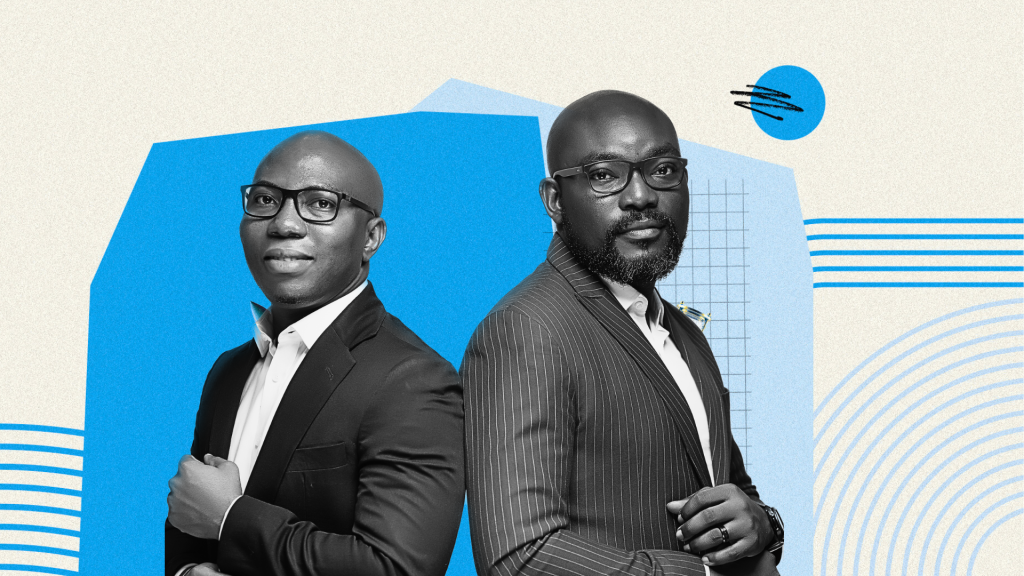
“We want people to be able to see what you’ve done, what you care about, and what you’re asking for,” says Tritima Achigbu, Crowdr’s co-founder and CMO. “It creates a level of transparency that helps people feel safe giving.”
But Crowdr isn’t just for money. The platform also supports volunteering; allowing organisations to request physical or digital help, and individuals to sign up based on interest or availability. Whether it’s distributing food or managing social media, the idea is to make participation as tangible as donation.
“We didn’t want nonprofits to only have money,” Adaobi says. “We wanted them to have people.”
This philosophy also translates to Crowdr’s design. The UI is intentionally simple with features that are not about dazzling users, but about respecting them.
“What we build depends on what people need most at the time,” Adaobi says.
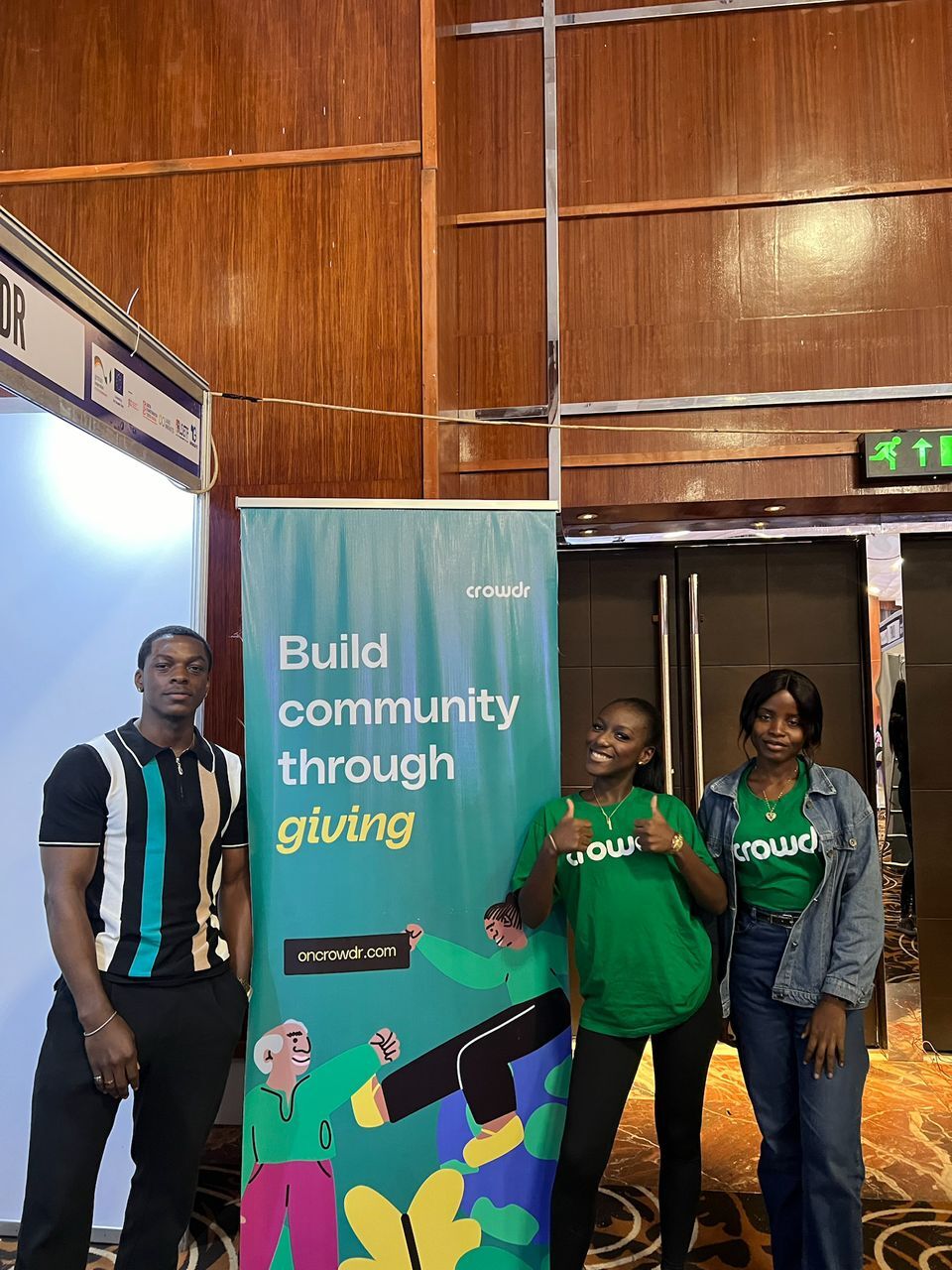
That kind of attention shows. Since launch, more than 1500 people have used the platform to raise funds, to donate, to volunteer. Patterns have emerged: medical bills, tuition, displacement, and small business support. Everyday needs. Nothing extravagant, just real people trying to stay afloat, take the next step, or help someone else do the same.
“It really just shows us the diverse needs of Nigerians,” Tritima says. “And it’s inspiring.”
A bigger vision, still grounded in today
Crowdr is still early in its journey. The team is growing, and the ambition is steady. They’ve started with what matters most: getting people the help they need. From the back-end to the front-end, the focus is on building slowly, listening closely, and
making the product more useful with every update.
“It’s not just about growth,” Adaobi says. “Success looks like each campaign getting to their goal. That’s what we’re building for.”
The Crowdr team celebrates every win; because every win means someone’s life has changed. Not in theory, but in actual, measurable, deeply personal ways. Someone got a chance to keep going. To breathe easier. To feel supported. This feeling, multiplied many times over, is what the end goal looks like for Crowdr’s founders.
“We have a ton of ideas,” Tritima says. “Every member of the team has things they want to see on Crowdr.”
These ideas are multiplying. The team is exploring CSR tools for companies that want to give better. They’re building out the volunteer experience. They’re even thinking about what physical spaces for giving could look like one day.
But through all the dreaming and planning, the focus remains clear: build for real people, solve real problems, and do it with empathy.
“We want to build different products and different opportunities for people to execute social good projects,” Adaobi says. “We want to build things that make people’s lives easier.”
And in a place that feels like the only thing we have is each other, that’s no small feat.