


As artificial intelligence continues to dominate global discourse, DataFest Africa 2025 is returning to Lagos with a bold question: How can AI truly serve Africa?
Set to hold on Saturday, October 18, 2025, at the Anchor Event Place, Lateef Jakande Road, Agidingbi, Lagos, this year’s theme, “AI in Africa: Solving Today’s Problems, Building Tomorrow’s Systems,” focuses on Africa’s growing momentum in artificial intelligence and the real-world impact it is already driving across industries.
Event at a Glance
- Theme: AI in Africa: Solving Today’s Problems, Building Tomorrow’s Systems
- Date: Saturday, October 18, 2025
- Venue: Anchor Event Place, Lateef Jakande Road, Agidingbi, Lagos
- Expected Attendance: 1,000+ participants
- Speakers: 10+ industry leaders, innovators, and AI practitioners
- Sessions: 10+ panels, workshops, and keynotes
- Website: datacommunityafrica.org/datafestafrica
A Growing African Conversation Around AI
Across the continent, artificial intelligence is moving from theory to action, improving crop yields, enhancing healthcare access, expanding financial inclusion, and streamlining public services.
DataFest Africa 2025 aims to highlight these real-world applications while looking ahead to how African innovators are shaping the next generation of AI systems that are context-aware, inclusive, and built around local realities.
“This year’s conversation goes beyond technology,” said a spokesperson for Data Community Africa, the non-profit organizing body behind the event. “We’re exploring how AI can solve problems that matter now and how African innovators can build systems that last.”
Speakers Driving the Discussion
This year’s speaker lineup includes some of Africa’s most respected voices in data and AI innovation, including:
- Olawole Omotosho, Group CTO, Sterling Financial Holdings Company
- Deji Ibrahim, Data Engineer, Supabase
- Tolu Flosbach, Senior Manager, Artificial Intelligence, PwC Nigeria
- Moses Daudu, Lead AI Engineer, Path
- Victor Adewusi, Group Chief Data Collector, Access Holdings Plc
- Dr. Jeremiah Fadugba, Lead Data Scientist, Silver Matter
- Nak Sule, Founder, The Awesome Brief
These speakers will lead sessions spanning topics such as:
- AI & ML: From Models to Mission-Critical Applications
- Data Engineering: Laying the Foundation for Intelligent Systems
- Data Analytics: Insights That Drive Action
- Low Code: Accelerating Innovation, Expanding Access
- Open Source: Building Together, Building for Context
- AI Agents: The Rise of Autonomous and Assistive Intelligence
- Community & Ecosystem: Growing Together, Leading from Within
Building Systems, Not Just Solutions
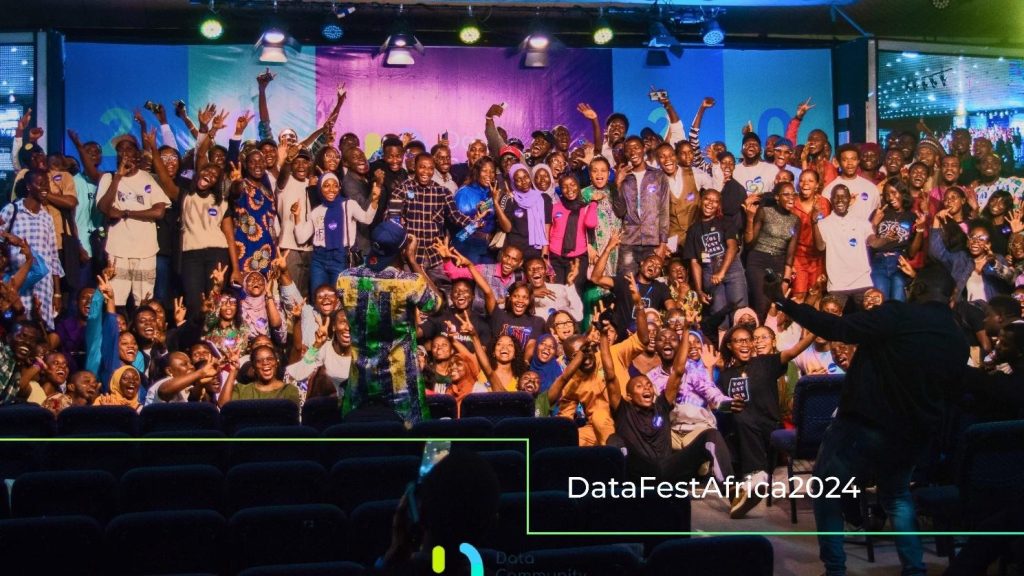
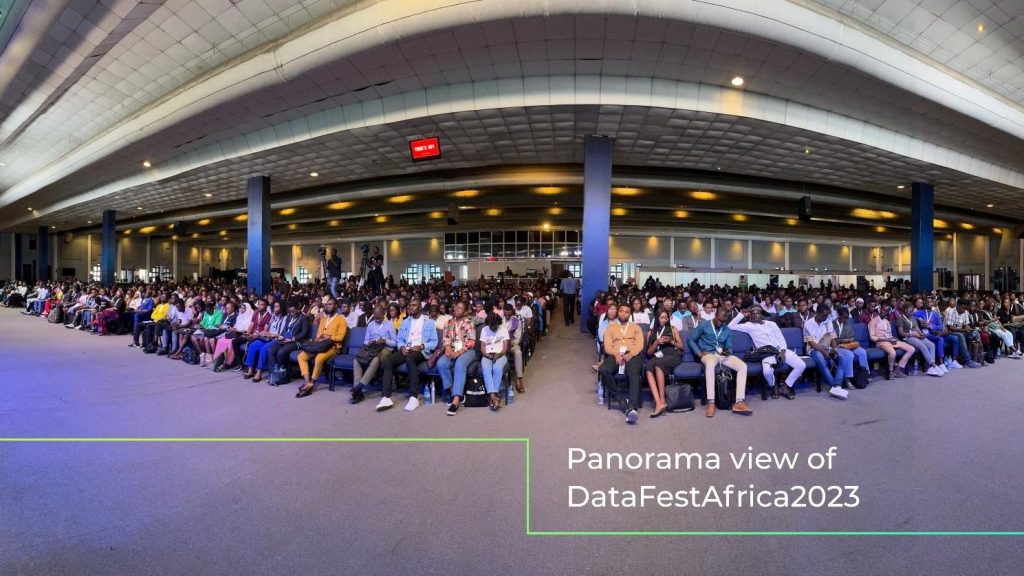
Now in its fourth year, DataFest Africa continues to position itself as a bridge between data talent, business leaders, and researchers. Since 2022, the event has brought together over 6,600 professionals from 8 countries, with 19,000+ online participants joining virtually.
Each edition emphasizes practical collaboration, from hackathons and workshops to keynote sessions, helping attendees translate technical skills into scalable solutions across sectors such as finance, agriculture, and governance.
Backed by Industry Leaders
The 2025 edition is powered by Interswitch, RedTech, Nigerian AI Collective, and Research Gains, with key partnerships from Katwig & Dale (Legal), ProveHub (Technical), Accessibility Nigeria (Inclusion), and TechMoonShot (Media). Together, these organizations reflect the growing ecosystem support around data and AI innovation in Africa.
Why It Matters
AI in Africa is no longer just a buzzword. It is a tool for development, a space for innovation, and a field where local context matters.
By connecting AI builders, users, and policymakers, DataFest Africa is shaping a more intentional conversation that blends technology, ethics, and impact.
How to Attend
Registration for DataFest Africa 2025 is now open at datacommunityafrica.org/datafestafrica. Seats are limited, so attendees are encouraged to secure their tickets early to guarantee access.
Join Africa’s largest data and AI community as it continues to reimagine how artificial intelligence can power progress, from solving today’s problems to building tomorrow’s systems.