Senegal’s push to tax mobile-money transfers is rapidly turning into one of the most consequential policy debates in its digital economy — and for good reason. A reform pitched as a fiscal lifeline is now seen by many as a threat to the very financial inclusion that mobile money helped build.
A vital infrastructure at risk
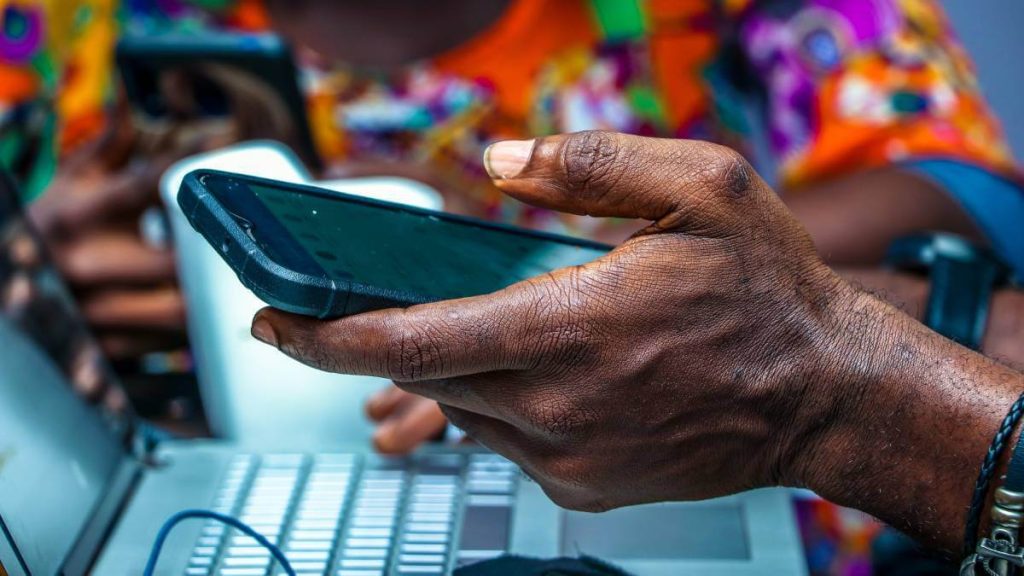
In Senegal, mobile money isn’t a niche payment option — it’s the backbone of everyday economic life. Over 90% of adults rely on digital wallets for critical activities: sending money to family, paying for utilities, buying school supplies, running micro-businesses, covering emergencies. These wallets are more than conduits for cash — they’re engines of inclusion.
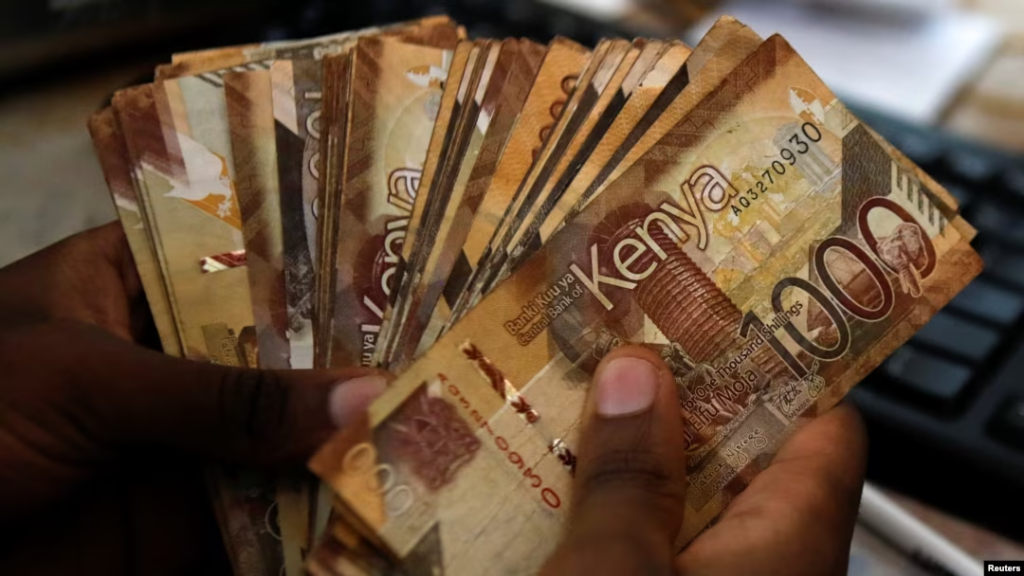
The new tax, first floated in the government’s 2025–2028 Economic and Social Recovery Plan, proposes a 0.5% levy on every mobile-money transfer, plus additional charges on merchant payments. While the state expects to raise roughly CFA 220 billion over three years through this reform, the measure is suddenly facing fierce resistance from civil society, fintech firms, and consumer groups alike.
Why stakeholders are sounding the alarm
1. Regressive Impact & Social Risk
Because mobile money typically moves in small, repeated transfers, the same funds may be taxed multiple times as they circulate among users — effectively penalising those who use it most. That hits low-income households, traders, students, and women hardest.
2. Backlash to Cash
If digital payments become more expensive, many users may revert to cash — a less traceable, less transparent form of money. That’s not just a financial inclusion risk; it undermines the traceability that helps governments deepen their tax base.
3. Threat to Agent Networks & Jobs
Mobile-money agents — many of them young — operate on thin margins and depend on transaction volume. A drop in usage could jeopardise their livelihoods.
4. Stifles Innovation & Trust
Fintechs and telecom operators argue that taxing every transaction makes the sector’s growth unpredictable. Margins are already tight, and additional costs could chill investment or prompt operators to scale back.
5. Public Services at Stake
Senegal is pushing to digitise payments for public services like water, electricity, hospitals, schools, and ID systems. A digital tax could undercut that goal if users abandon wallets for cash-based alternatives.
6. Fragile Revenue Trade-Off
Ironically, introducing a tax that slows digital payments may erode long-term revenue. When cash dominates again, governments lose the transparency and traceability that make digital payments a rich tax base. This could weaken — not strengthen — fiscal capacity.
Alternatives being proposed
Critics aren’t just raising alarms — they’re offering more calibrated solutions. Some of the most compelling ideas:
Taxing operator turnover instead of transactions: Unlike the flat-rate levy, a revenue-based tax protects users and maintains momentum in usage. Industry groups have floated a 2.5% tax on e-money providers as a more sustainable alternative.
Limiting the tax to cash withdrawals: That would preserve digital circulation and avoid penalising recurrent wallet-to-wallet flows.
Accelerate digital public payments: Make it cheaper (or free) for citizens to pay for public services via mobile money — boosting compliance and reducing leakage.
Progressive, negotiated taxation: Implement graduated rates, with exemptions or reduced rates for low-value transfers, informal traders, or vulnerable populations.
Why the moment matters
Senegal is at a crossroads. Its digital financial architecture — built on mobile money — has become a cornerstone of financial inclusion, economic resilience, and transparency. But if the state moves forward with a poorly designed tax, it risks unraveling that architecture.
This isn’t just a matter of raising revenue. It’s about protecting the social fabric: the agents who depend on transaction volume, the traders who accept mobile payments, the families who rely on low-cost transfers. It’s about safeguarding trust in digital systems — especially as Senegal seeks to build a modern, digital public sector.
If handled incorrectly, the tax could reverse years of progress. But if the government seizes this moment to align its fiscal objectives with inclusion goals, it could set a precedent — not just for Senegal, but for digital economies across Africa.