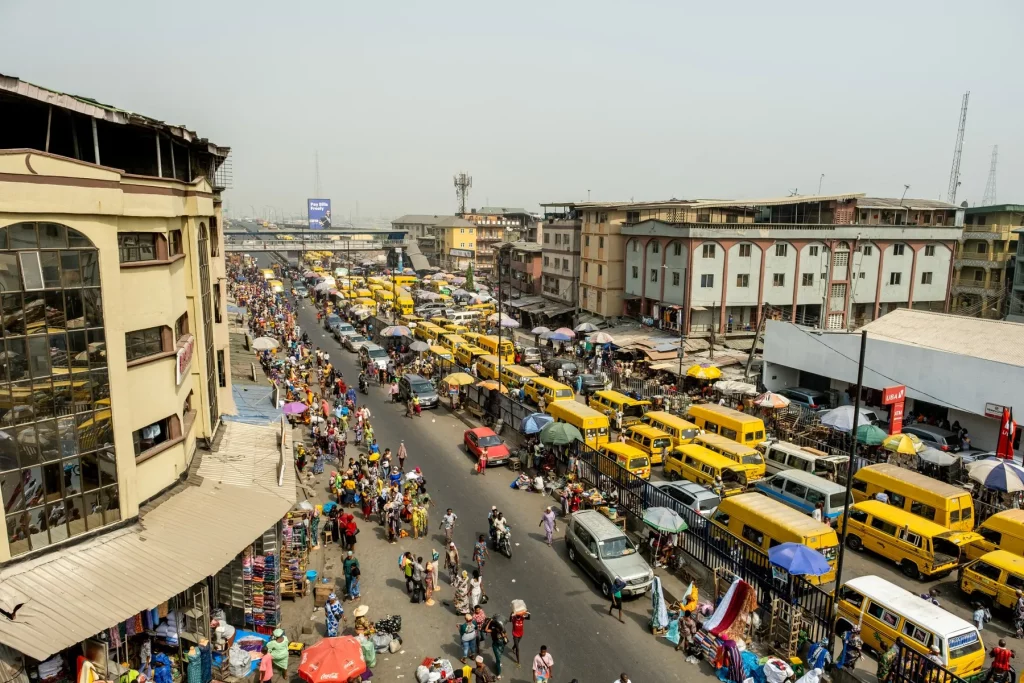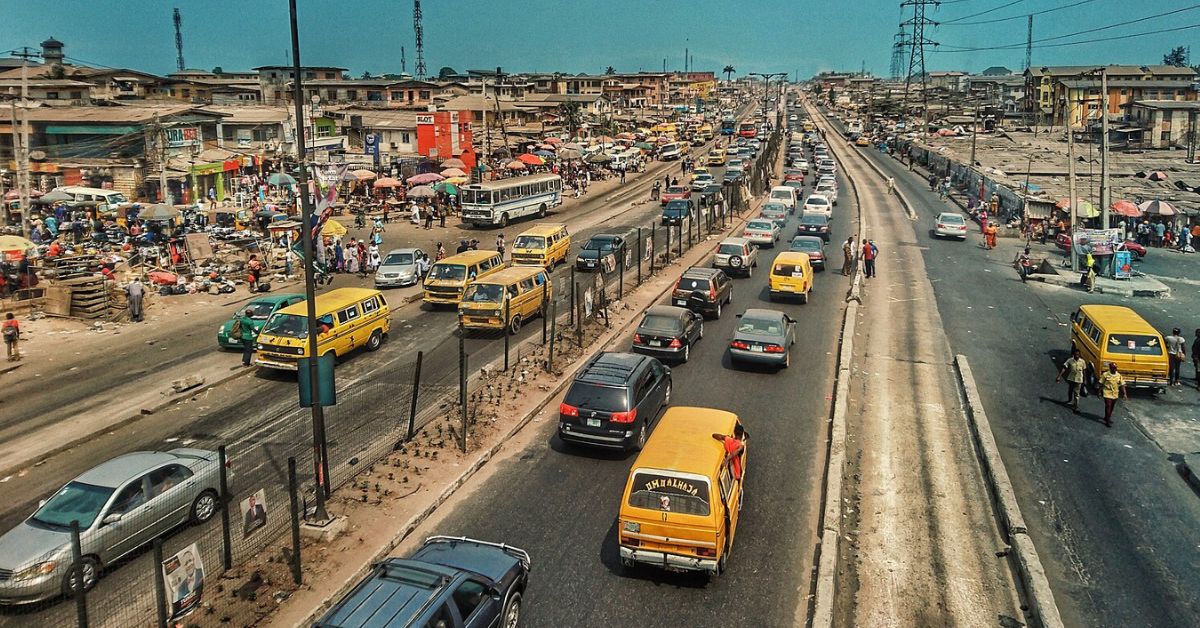
Lagos has retained its spot as Nigeria’s top-performing state for ease of doing business, reaffirming its commercial dominance, according to a new report by the Presidential Enabling Business Environment Council (PEBEC).
The business environment remains central to Nigeria’s economic resilience, investment attractiveness, and long-term growth prospects. Since 2016, PEBEC has driven reforms such as pushing digital payments for taxes and the digitisation of selected public services, aimed at removing bureaucratic bottlenecks and improving national competitiveness. Its annual ranking evaluates how states are improving regulation, enabling investment, and modernising processes.
This year’s leaders, Lagos, Kaduna, Oyo, the FCT, and Ogun, represent what PEBEC describes as “a useful benchmark for what a more competitive national economy could look like when reforms gain traction.”
Lagos stands out particularly for infrastructure such as roads and logistics, land administration, regulatory digital transformation, and digital literacy. It also continues to serve as the country’s tech hub and logistics gateway, home to Nigeria’s most valuable startups such as Flutterwave, Interswitch, and Paystack.
The state’s most persistent bottlenecks include land processing delays, right-of-way fees, and other administrative frictions. However, its most pressing challenge remains digital connectivity, with network coverage concentrated in urban centres, limiting businesses to city clusters and restricting e-commerce adoption in inner towns and communities, and curtailing digital economic gains.
Connectivity gaps are rampant in Nigeria, where broadband access remains below 50%. According to the Ministry of Communications, Innovation and Digital Economy, only about 39% of Nigerians live within 5 kilometres of a fibre network, with Lagos having a high of 85%.
Lagos also has the most (7,864.50 km) fibre coverage—crucial for delivering quality and affordable internet—, but it needs over 30,000 km for universal access. According to PEBEC, these gaps are dragging competitiveness.
“A better digital network would not only alleviate these issues but also have a positive impact on business volume and productivity,” it said. “Improved digital infrastructure would facilitate smoother and faster data exchange, increase market access for rural MSMEs, and enhance the overall business environment, leading to increased economic activity and competitiveness.”
The state has made progress through the Lagos State Infrastructure Maintenance and Regulatory Agency (LASIMRA), which has laid over 6,000 km of metro fibre, but more still needs to be done to strengthen its ease of business ranking.
Regardless, Lagos continues to offer one of the most advanced and competitive business environments in the country, “combining reliable electricity, good transport infrastructure, decent digital services, a functional land administration system, efficient courts and ADR, an operational one-stop shop, accessible grievance-redress mechanism, credit access, and a highly skilled workforce,” PEBEC noted.
Beyond connectivity, PEBEC highlights longstanding issues with touting and loitering, which continue to disrupt business districts, logistics corridors, and public spaces. These concerns create safety risks and interrupt the predictable flow of commercial activity.
To strengthen investor appeal, the council recommends enhanced security and regulatory enforcement, including integrating real-time surveillance across major street corners and business corridors within six to 18 months.
While Lagos continues to demonstrate resilience and reform momentum, states such as Benue, Borno, and Zamfara remain at the bottom of the ranking as years of prolonged conflict and terrorism continue to erode basic economic competitiveness.