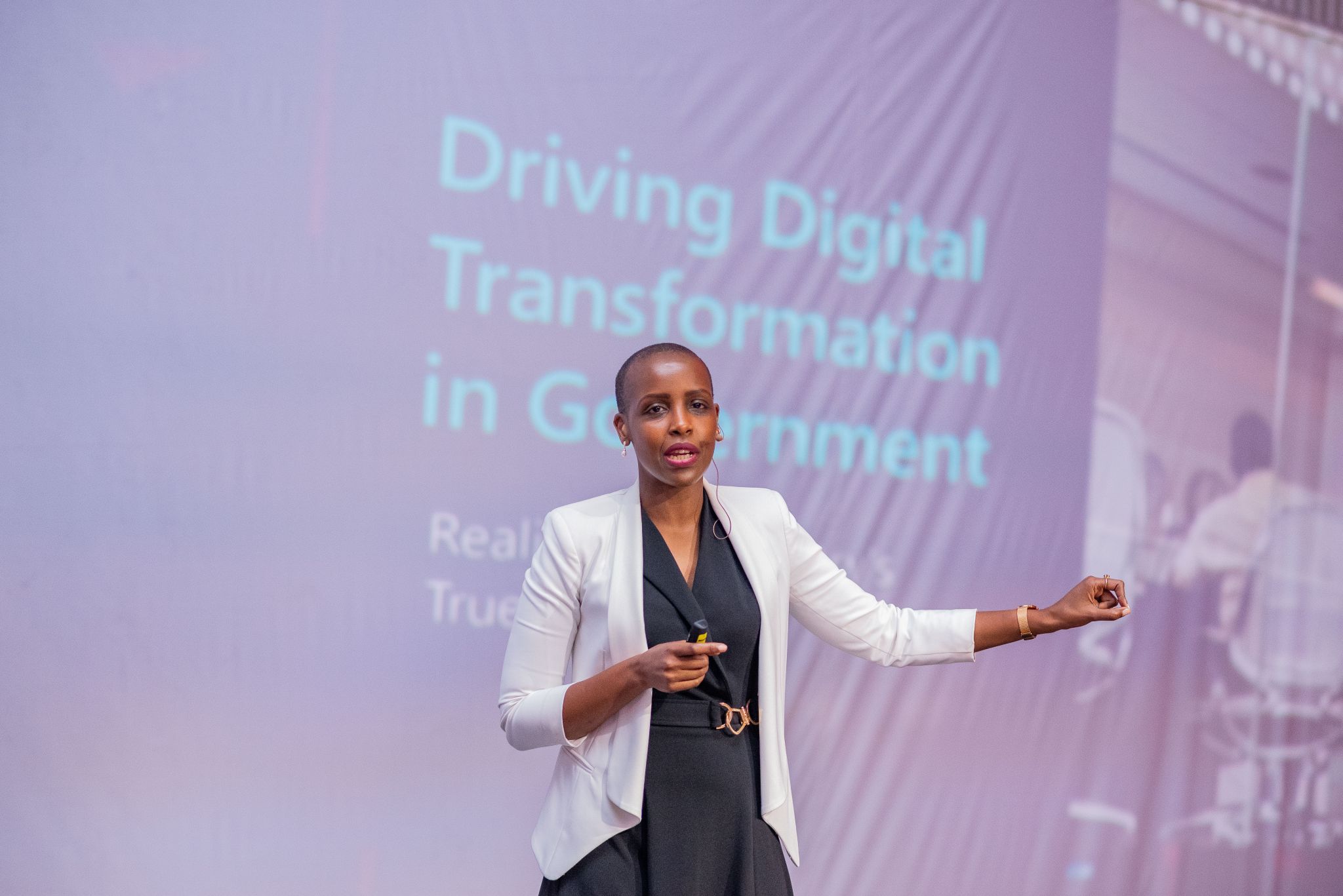
Microsoft’s Kenya country manager, Phyllis Migwi, will leave her role in February after three and a half years, as the tech giant begins a formal search for her successor.
Migwi announced her departure in a LinkedIn post on Tuesday, describing her tenure as “enriching” and saying the company was ready for new leadership.
“The work we are doing in Kenya and the region is critical,” she wrote. “ From strengthening government relations to empowering local businesses and communities, the ‘why’ behind our work has never been clearer. There is still so much potential to amplify this impact, and we need someone who is vision-led to continue that momentum.”
Migwi’s exit comes as Microsoft prepares to bring its East Africa Azure cloud region and local data centre online. A new country manager will take over as the company shifts from announcing investments to running live cloud infrastructure, while tighter office rules begin to change how teams in Kenya work.
Microsoft has already advertised the Country Manager, Kenya position on LinkedIn. During Migwi’s tenure, Microsoft significantly raised its profile in Kenya’s tech ecosystem. In March 2025, the company helped bring the largest Global AI Tour conference in Africa to Nairobi, positioning Kenya as a continental hub for AI innovation and adoption. Migwi also championed AI adoption across healthcare, finance, and retail, while expanding rural connectivity via initiatives like Airband, its broadband access program.
More notably, Microsoft announced a $1 billion digital investment package for Kenya in partnership with UAE‑based G42, anchored on a green data centre that will host a new East Africa Azure cloud region.
Microsoft’s Kenya strategy has revolved around cloud infrastructure (including the upcoming Azure region), AI and data capabilities, and large‑scale digital skilling and employability programs for young Africans.
Microsoft has also targeted SMEs and startups with cloud and AI tools, while working with local partners to modernise key industries and strengthen the country’s AI skills ecosystem.
The leadership transition comes as Microsoft shifts its global workplace stance, moving toward a mandatory three-day-in-office model that is being rolled out across major hubs and is expected to extend to international sites through 2026. The move marks a turn away from the highly flexible post‑pandemic remote arrangements and will likely change how Microsoft teams in Kenya operate as a new country manager steps in to amplify the impact of the current momentum.