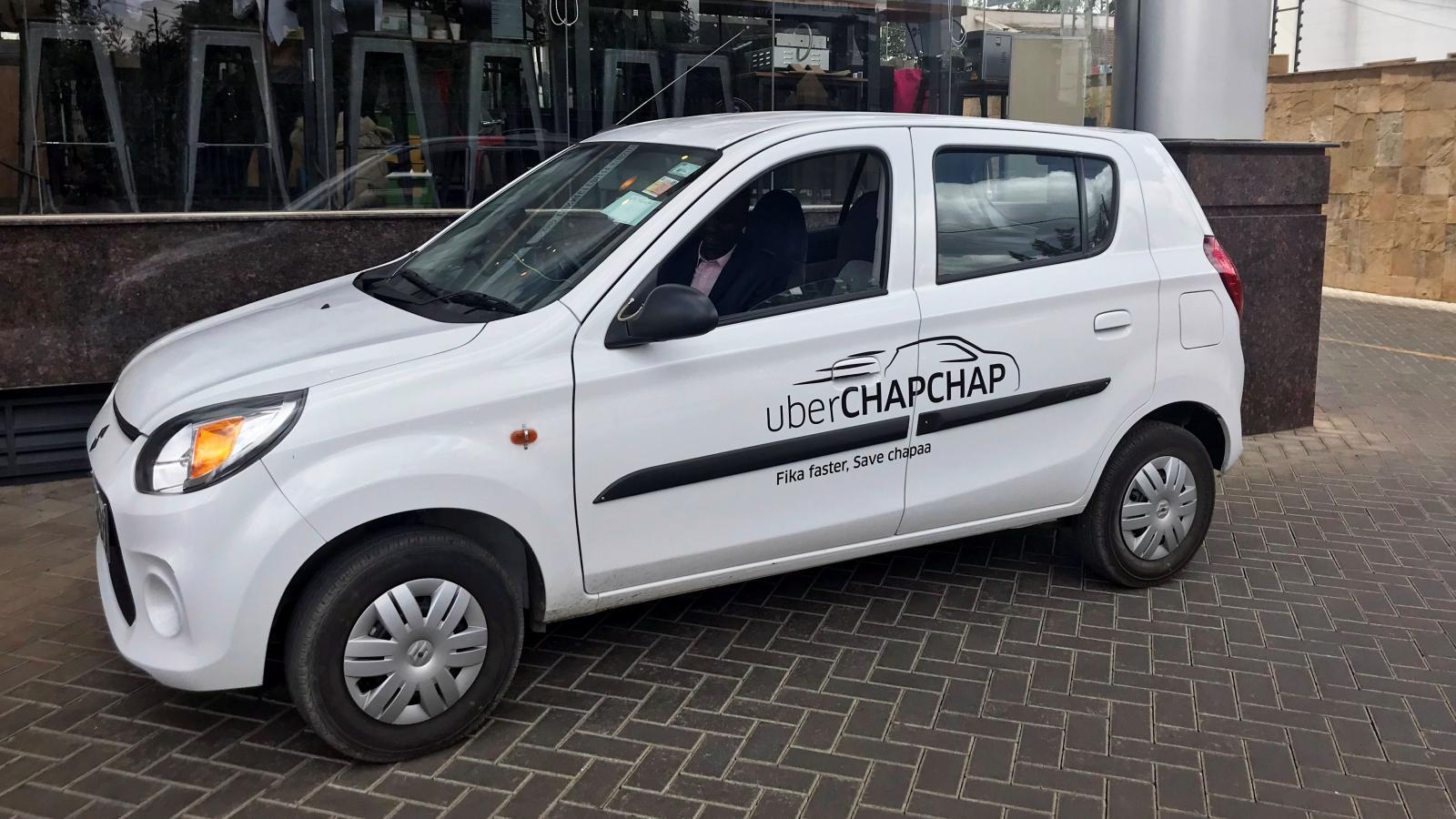
Ride-hailing giant Uber has stopped accepting VISA cards in Kenya, cutting off a payment option once central to its pitch to business travellers and expatriates in East Africa’s biggest e-hailing market.
Uber confirmed the decision, which took effect in January, in a statement to TechCabal, pointing to a review of payment methods following a jump in global costs.
“Payment costs globally are on the rise, which impacts businesses and their consumers,” an Uber spokesperson told TechCabal. “We regularly review our payment methods on a market-by-market basis to ensure we’re keeping costs reasonable while balancing any potential impact on consumer experience. We’ve taken this step as a result of this review process.”
Uber’s decision highlights a deeper shift in how global platforms are adapting to African payment economics. As cross-border card fees rise and local payment rails dominate daily spending, Uber is narrowing its payment stack to methods that settle locally and cheaply.
“We are aware that Visa cards are not currently being accepted by Uber in Kenya. We are in touch with the Uber team, and we are working to resolve this as soon as possible,” a Visa spokesperson told TechCabal.
In Kenya, where mobile money dominates everyday transactions, that means prioritising wallets like M-PESA and cash, while pushing international card schemes to the margins. Visa cards are no longer accepted on Uber in Kenya, though Mastercard continues to work.
The decision to axe VISA payments marks a reversal from Uber’s early years in Nairobi, when card payments signalled trust and safety in a cash-heavy city. Over time, the economics shifted. Most VISA rides were processed under Uber’s global merchant-of-record structure, with transactions routed offshore. Each trip carried foreign exchange spreads, interchange fees and scheme charges tied to VISA.
Those pressures intensified as global interest rates stayed high and currencies remained volatile. Local wallets, by contrast, are priced in shillings, clear instantly and avoid cross-border costs.
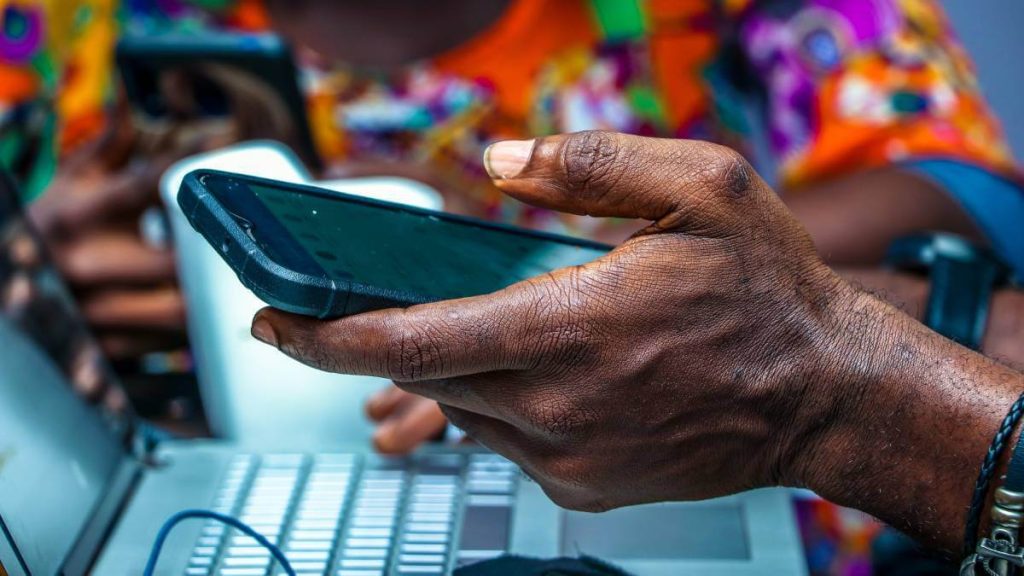
In Kenya, the winner is Safaricom-owned mobile money service M-PESA. Uber’s integration allows direct debits from riders and near-instant payouts to drivers. It reduces chargebacks and pending disputes common with cards.
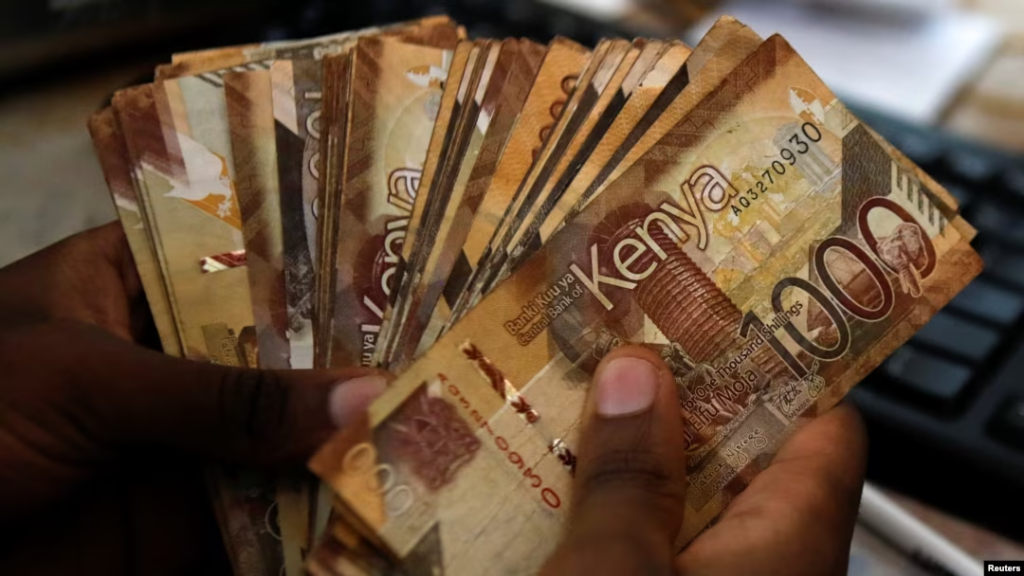
Mobile money already dominates transport, retail and utilities. Kenyans moved KES 636.2 billion ($4.93 billion) through mobile money in the 12 months to February 2025, according to the Central Bank of Kenya (CBK).
The network continues to expand, with active agents rising from 320,182 to 394,853, while subscriptions increased from 77.3 million to 84.6 million over the same period.
But the removal creates friction for a narrower group like corporate riders that rely on credit cards for float, rewards or corporate expense claims. Cash and mobile wallets do not fit all company travel policies.
The move also dents years of card promotion by local lenders such as KCB and Equity, which positioned VISA as the gateway to online services. Ride-hailing was a flagship use case.
Editor’s note: This article has been updated to include comments from Visa.