Table of contents
Africa has 54 countries, or 55 if you count the member states of the African Union. At some point, about 34 of them have imposed a social media ban or a full internet shutdown that disrupted social media access.
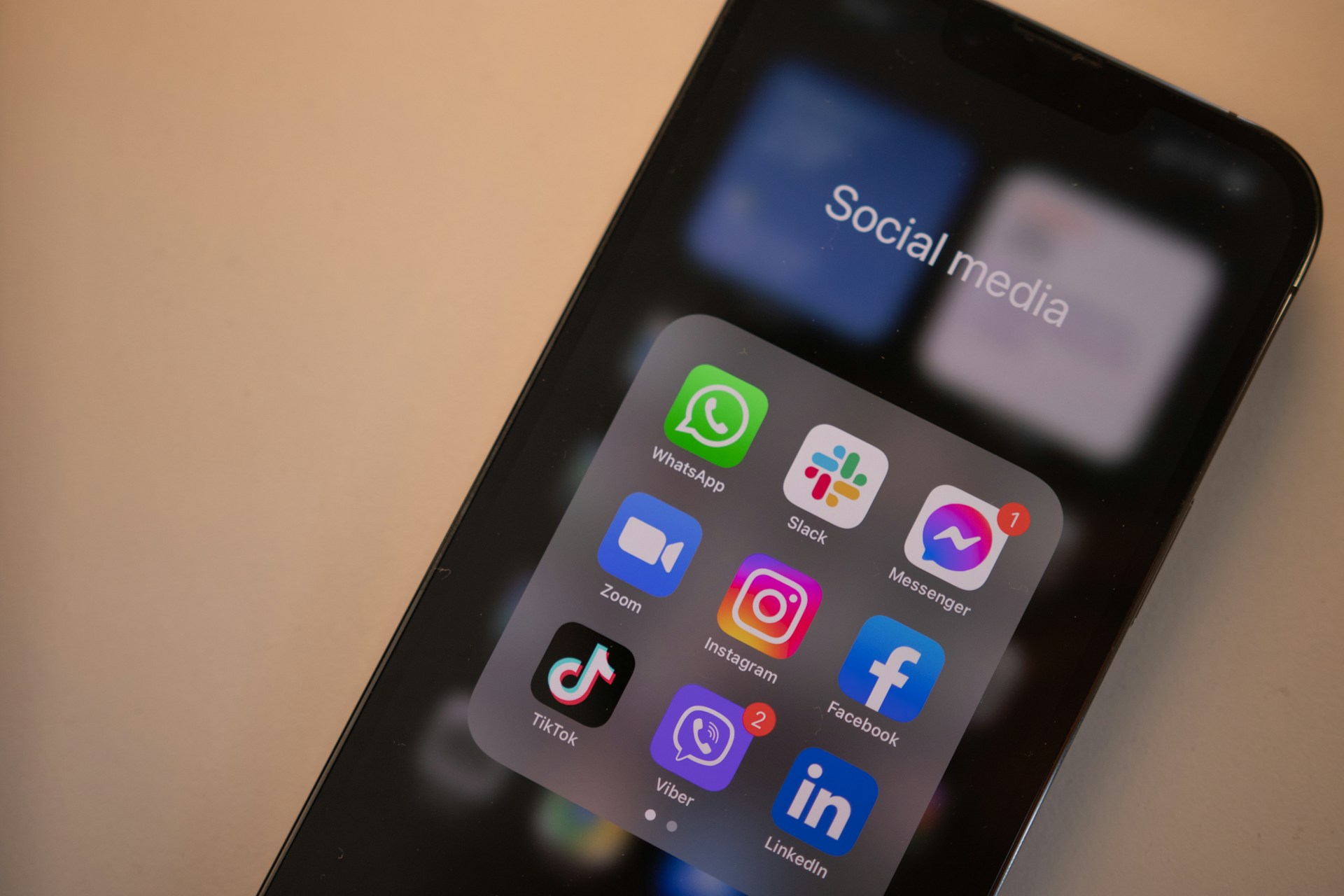
As internet access expanded across the continent, social media became central to business, public debate, and political action. It also became a powerful tool for organising protests, exposing misconduct, and challenging those in power. In response, many governments turned to social media bans and internet shutdowns to control information and limit mobilisation.
The modern wave of shutdowns gained global attention during the 2011 Arab Spring, when Egypt cut internet access to disrupt protests. Since then, at least 30 African countries have enforced some type of restriction. According to a 2024 report by Access Now and the #KeepItOn coalition, 21 shutdowns were recorded across 15 countries in 2024 alone.
Governments often introduce these bans during elections, protests, or conflict. They usually cite misinformation or national security. Human rights groups argue that the goal is often to control information and limit scrutiny.
The impact is heavy. Economies lose billions of dollars in trade and investment. People lose access to services and communication, and trust in institutions declines. Regional courts such as the ECOWAS Court of Justice have ruled that shutdowns violate freedom of expression. As of February 2026, several countries still maintain active or repeated bans.
Here are the 33 African countries that have banned social media at some point.
33 African countries that have banned social media
1. Algeria
Algeria has repeatedly restricted social media, mainly during national secondary school exams and at key political moments.
- When the ban was put in place: Since at least 2016, the government has cut access to Facebook, Twitter, and WhatsApp for several hours each day during the baccalaureate exams. In June 2019, access was cut at 2:15 p.m. WAT to stop leaked exam papers from spreading. In September 2020, during protests against the administration, network data showed major internet disruptions that pushed much of the country offline for several hours after social media apps were restricted.
- Why it was put in place: For exams, the goal was to protect academic integrity and stop leaks. For protests, the government said it was preventing “misleading information” and protecting the “sanctity of national institutions”.
- Outcome of the ban: Exam shutdowns were temporary and lifted once testing ended. Political restrictions weakened the coordination of the “Hirak” protest movement. Repeated disruptions have slowed digital commerce growth, prompting many users to turn to VPNs.
- Other details: According to the 2024 report by Access Now and the #KeepItOn coalition, at least 10 exam-related shutdowns occurred across the Middle East and North Africa in one year.
2. Benin
Benin enforced a major social media and internet blackout during its 2019 parliamentary elections.
- When the ban was put in place: On April 28, 2019, access to Facebook, Twitter, Instagram, WhatsApp, Telegram, and Viber was blocked around midnight. At 12:00 p.m. (noon) WAT, a full internet cutoff followed and lasted about 15 hours.
- Why it was put in place: The election was highly tense, with opposition parties barred from contesting. Authorities said the shutdown was needed for the “preservation of peace and social tranquillity.”.
- Outcome of the ban: Journalists, human rights defenders, and election observers could not report on polling issues or the use of force against protesters. The democratic process was heavily affected.
- When it was lifted: Internet access returned on the morning of April 29, 2019, after polls closed. Partial disruptions happened again on May 1, 2019, during violent clashes over the results.
- Other details: This event marked a shift in Benin’s democratic reputation, placing it among African countries that use digital restrictions during elections.
3. Burundi
Burundi restricted social media during its general elections and later protests.
- When the ban was put in place: On May 20, 2020, Facebook, Twitter, WhatsApp, and YouTube were blocked throughout the morning of the election. In 2024, the country faced more internet disruptions during protests.
- Why it was put in place: The government said it wanted to maintain public order and stop the spread of “misinformation” during the first transfer of power in 15 years after President Pierre Nkurunziza’s long rule.
- Outcome of the ban: Opposition groups and civil society could not monitor the election process in real time.
- When it was lifted: Access was restored shortly after the election results were announced.
- Other details: Even after the ban ended, the media space remained highly restrictive.
4. Cameroon
Cameroon carried out one of the longest shutdowns in Africa.
- When the ban was put in place: In January 2017, the government shut down the internet in the Anglophone Northwest and Southwest regions for 93 days after protests by lawyers and teachers.
- Why it was put in place: Authorities sought to disrupt coordination among the Anglophone Consortium and the “Ghost Town” strikes, which called for secession or federalism.
- Outcome of the ban: Businesses in “Silicon Mountain” in Buea suffered, distance learners lost access, and the 20% Anglophone minority felt more isolated. According to a digital advocacy group, Advocacy Assembly, the shutdown cost about $2.5 million.
- When it was lifted: Internet access returned on April 20, 2017, after global pressure and the #BringBackOurInternet campaign.
- Other details: Later in 2017, WhatsApp and Facebook were throttled again for over 150 days during new protests. As of September 2025, separatists still use social media, while the government describes it as a “new form of terrorism” and keeps strong digital controls.
5. Chad
Chad has enforced some of the longest social media bans on the continent.
- When the ban was put in place: In March 2018, WhatsApp, Facebook, Twitter, Instagram, and YouTube were blocked after protests over constitutional changes that could allow President Idriss Déby to rule until 2033. The ban lasted 16 months, about 472 days.
- Why it was put in place: The government cited “security reasons” and “national unity,” and later said it wanted to stop the internet from being used for “malicious purposes”.
- Outcome of the ban: The economy lost over $200 million, according to calculations from NGO NetBlocks’ Cost of Shutdown Tool (COST), and millions of people saw their digital skills and income affected.
- When it was lifted: Access was restored in July 2019 after local and international pressure and legal action.
- Other details: In July 2020, WhatsApp was blocked again for several weeks after a video showed a military officer shooting a civilian. In 2024, internet disruptions occurred during the general election, and groups like Anonymous Sudan also carried out cyberattacks and disrupted connectivity.
6. Comoros
Comoros carried out its first internet shutdown in 2024.
- When the ban was put in place: On January 17, 2024, after violent protests over the re-election of President Azali Assoumani and claims of electoral fraud. The shutdown mainly affected Comores Telecom, the main internet provider.
- Why it was put in place: The government wanted to stop people from organising protests and sharing updates about the unrest.
- Outcome of the ban: The country faced a total communications blackout for several days. Millions lost access to banking and key online services.
- When it was lifted: Access was restored after authorities said they had regained control of the security situation.
- Other details: The shutdown led to a drop in Comoros’ digital freedom score.
7. Congo, Republic of (Brazzaville)
The Republic of the Congo shut down digital access during its 2021 elections.
- When the ban was put in place: On March 21, 2021, the day of the presidential election. The nationwide blackout lasted three days and cut off all digital communication.
- Why it was put in place: Authorities said it was to maintain “public order” and stop the spread of polling results that could challenge the official narrative.
- Outcome of the ban: Vote counting lacked transparency, and President Denis Sassou Nguesso extended his 36-year rule.
- When it was lifted: Access was restored after three days, once the results were settled.
8. Democratic Republic of Congo (DRC)
The DRC has used internet bans during political transitions.
- When the ban was put in place: On December 31, 2018, right after long delayed general elections. The government shut down the internet and SMS services nationwide, and social media stayed inaccessible for nearly three weeks.
- Why it was put in place: Authorities wanted to block independent reporting and prevent the sharing of polling data showing opposition leader Martin Fayulu ahead of Felix Tshisekedi, who was later certified the winner.
- Outcome of the ban: The country faced high tension and a communication gap that affected election observers and the international press.
- When it was lifted: Access returned on January 19, 2019, after Tshisekedi was sworn in.
- Other details: The DRC is still seen as a “high-risk” country where shutdowns remain a tool of control.
9. Egypt
Egypt has used digital shutdowns and targeted restrictions for years.
- When the ban was put in place: During the 2011 revolution, the government shut off the internet to slow protest coordination. In September 2019, Facebook Messenger, Twitter, and news sites like the BBC were blocked during protests. In October 2020, Telegram was blocked on three major networks. In February 2026, parliament began preparing a law to limit social media use for children under 15 or 16.
- Why it was put in place: Officials said they wanted to stop unrest, control protest activity, and protect minors from “digital chaos” and “risks to behaviour”.
- Outcome of the ban: Many users practice self-censorship. Temporary bans are lifted after protests calm down, but hundreds of websites remain permanently blocked using advanced surveillance tools.
10. Equatorial Guinea
Equatorial Guinea has used targeted blackouts to silence protests.
- When the ban was put in place: On July 20, 2024, the government shut down all mobile and internet services on the island of Annobón. As of February 2026, the blackout has lasted over 570 days.
- Why it was put in place: The shutdown followed protests over dynamite blasting by a Moroccan construction company and its environmental impact.
- Outcome of the ban: About 5,000 residents have been cut off. Banking and hospital services collapsed, and security forces carried out a violent crackdown that went largely undocumented because there was no connectivity.
- Status: The ban remains in effect, making it one of the harshest cases of digital punishment in Africa.
11. Eritrea
Eritrea runs one of the strictest digital systems in the world.
- When the ban was put in place: Independent media has been banned since 2001. The state keeps a constant blockade on most social media platforms and independent websites. Internet access is only available through one state-owned provider.
- Why it was put in place: The goal is full control of information and suppression of dissent under President Isaias Afwerki’s 30-year rule.
- Outcome of the ban: Internet penetration stands at 20% as of late 2025, with only 21,000 active social media users in a population of millions.
- Status: No lift date. The restriction is permanent and built into the system.
12. Eswatini
Eswatini shut down the internet during major protests.
- When the ban was put in place: On June 29, 2021, during pro democracy protests against the monarchy. Telecom companies like MTN said they were ordered by the Eswatini Communications Commission to block social media and online platforms. Another major disruption happened in October 2021.
- Why it was put in place: The aim was to stop protests and prevent images of police violence from reaching the outside world.
- Outcome of the ban: Dozens of protesters were killed during the blackout. Access returned in July 2021 but remained unstable. The government told citizens to email their complaints while the internet was shut down.
13. Ethiopia
Ethiopia frequently blocks social media for political and exam reasons.
- When the ban was put in place: In June 2020, after the killing of singer Hachalu Hundessa, the internet was shut down for several weeks. During the Tigray conflict from 2020 to 2023, the region faced a near-total blackout for over two years. On February 9, 2023, Facebook, Telegram, and TikTok were blocked after protests linked to tensions in the Ethiopian Orthodox Church. The ban lasted several months. Social media was also blocked during national exams in November 2021.
- Why it was put in place: Officials cited national security and public safety.
- Outcome of the ban: Many people rely on VPNs to stay online. The shutdowns have also limited reporting on abuses in Tigray and Amhara.
14. Gabon
Gabon has used social media bans during political crises.
- When the ban was put in place: In August 2023, during a general election that was followed by a military coup. On February 18, 2026, the government imposed another indefinite suspension of social media platforms.
- Why it was put in place: In 2026, authorities cited “false information,” “cyberbullying,” and “threats to national security” as General Brice Oligui Nguema’s transitional government faced unrest and strikes from teachers and civil servants.
- Outcome of the ban: Digital trade and communication were disrupted for about 850,000 social media users.
- Status: The 2023 ban was lifted after the coup. The February 2026 ban remains in effect, with no clear timeline for restoration.
15. Gambia
The Gambia shut down the internet during its 2016 election.
- When the ban was put in place: On November 30, 2016, the eve of the presidential election. WhatsApp and Viber had already been blocked for several weeks before the total shutdown.
- Why it was put in place: President Yahya Jammeh wanted to stop opposition mobilisation and protect his 22-year rule.
- Outcome of the ban: Jammeh lost the election to Adama Barrow in a historic result.
- When it was lifted: On December 2, 2016, as results were announced, Jammeh initially conceded.
- Other details: Since Barrow took office, no nationwide shutdowns have been recorded.
16. Guinea
Guinea has imposed social media bans during elections and periods of unrest.
- When the ban was put in place: In October 2020, during the presidential election, Facebook, WhatsApp, and Instagram were blocked. Another major restriction began on May 17, 2023, during political unrest.
- Why it was put in place: Authorities said it was to “preserve public order” during tense periods.
- Outcome of the ban: Shutdowns often happened alongside violent crackdowns on protesters.
- When it was lifted: The 2020 ban ended after the results were certified. The 2023 restrictions eased when the protests reduced.
17. Guinea-Bissau
Guinea-Bissau carried out its first total shutdown in 2024.
- When the ban was put in place: 2024, during political instability following the postponement of presidential elections.
- Why it was put in place: Officials said it was to “ensure national security” and prevent news about a possible coup or unrest.
- Outcome of the ban: Millions lost access to communication and key digital services.
- When it was lifted: The shutdown lasted several days and ended after the situation stabilised.
- Other details: This marked Guinea-Bissau’s entry into the group of new digital suppression cases.
18. Kenya
Kenya has mostly kept the internet open, but has blocked platforms during exams.
- When the ban was put in place: In 2023 and 2024, Telegram was blocked during national examination periods.
- Why it was put in place: The Communications Authority said it was to protect exam integrity.
- Outcome of the ban: Users faced short-term disruptions, and it marked the first time Kenya used platform blocking for administrative reasons.
- When it was lifted: The blocks followed exam schedules and ended once testing windows closed.
Also read: Kenyan Assembly receives petition to ban TikTok
19. Mali
Mali has restricted social media during protests and military rule.
- When the ban was put in place: In July 2020, Facebook, WhatsApp, and Twitter were partially blocked during protests against President Ibrahim Boubacar Keïta. In April 2024, the junta suspended all political party activities and banned media from reporting on them. This suspension was lifted in July 2024.
- Why it was put in place: Authorities wanted to stop protest coordination and tighten political control after the 2020 and 2021 coups.
- Outcome of the ban: Political discussion online became risky, civic space shrank, and cybercrime laws were used against critics.
20. Mauritania
Mauritania blocked mobile internet and social media after its 2024 election.
- When the ban was put in place: On July 2, 2024, after protests over President Mohamed Ould Ghazouani’s victory.
- Why it was put in place: The government said it wanted to curb riots and stop the spread of hateful content.
- Outcome of the ban: The country experienced a full communication blackout for several days, limiting the opposition’s ability to report election issues.
- When it was lifted: Access was restored after about a week, once the protests were contained. This was the first major election shutdown since 2021.
21. Mauritius
Mauritius ordered a social media shutdown just before its 2024 election.
- When the ban was put in place: On November 1, 2024, days before the general election.
- Why it was put in place: Officials cited illegal posts and threats to national security.
- Outcome of the ban: Strong public backlash followed, with pressure from civil society groups.
- When it was lifted: The order was reversed on November 2, 2024, within 24 hours.
22. Mozambique
Mozambique restricted internet access during election unrest.
- When the ban was put in place: In October 2024, after contested general elections. Two major shutdown incidents were confirmed.
- Why it was put in place: Authorities aimed to limit protests and manage information about the election results.
- Outcome of the ban: People faced periods of digital blackout, and curfew-style shutdowns limited documentation of abuses.
- When it was lifted: Restrictions were eased as protests declined.
23. Nigeria
Nigeria enforced a long ban on Twitter, now known as X.
- When the ban was put in place: On June 5, 2021, after Twitter removed a tweet by President Muhammadu Buhari that referred to separatists using “the language they understand.”
- Why it was put in place: The government said the platform was being used for activities that could undermine Nigeria’s corporate existence.
- Outcome of the ban: The blackout lasted 222 days and cost the economy about $1.45 billion, according to a report by Top10VPN. Thereby affecting millions of young people who rely on online business.
- When it was lifted: On January 13, 2022, after Twitter agreed to open a local office, pay taxes, and respect Nigerian laws.
24. Senegal
Senegal has imposed social media bans during political unrest.
- When the ban was put in place: In June 2023, Facebook, WhatsApp, Twitter, Instagram, and TikTok were blocked after protests over the sentencing of Ousmane Sonko. Another shutdown happened in February 2024 after the presidential election was postponed.
- Why it was put in place: The government said it wanted to stop the spread of “hateful and subversive messages”.
- Outcome of the ban: The economy lost about $8 million dailyper day, and the country’s democratic image suffered.
- When it was lifted: Access returned after tensions eased, but the 2023 to 2024 period is seen as a major shift for digital rights in Senegal.
25. Sierra Leone
Sierra Leone shut down the internet during protests.
- When the ban was put in place: On August 10, 2022, during deadly protests in Freetown over the rising cost of living.
- Why it was put in place: Authorities wanted to stop further mobilisation and prevent the spread of images of violence online.
- Outcome of the ban: The country faced a full communication blackout for several hours, and people could not reach loved ones during the unrest.
- When it was lifted: Access was restored the next day after a curfew was imposed.
26. Somalia & Somaliland
Both Somalia and Somaliland have disrupted internet access during political crises.
- When the ban was put in place: In July 2020, Somalia experienced a major blackout after parliament removed the Prime Minister. In Somaliland, internet service was disrupted on August 11, 2022, during protests over delayed elections.
- Why it was put in place: In Somaliland, authorities aimed to stop protesters from organising and sharing updates about clashes with police.
- Outcome of the ban: Trade and communication were disrupted in a region that depends heavily on digital finance tools.
- When it was lifted: Access returned after demonstrations were brought under control.
27. South Sudan
South Sudan has used short-term social media bans during unrest.
- When the ban was put in place: In 2021, Facebook and WhatsApp were blocked during protests over economic hardship. On January 22, 2025, a 30-day ban was placed on TikTok and Facebook to stop the spread of graphic videos showing the killing of South Sudanese nationals in Sudan.
- Why it was put in place: The 2025 ban aimed to prevent revenge attacks and incitement to violence.
- Outcome of the ban: Businesses and journalists faced disruptions and had to rely on VPNs to continue working.
- When it was lifted: After pressure from the Internet Society South Sudan Chapter and international groups, the ban was lifted on January 27, 2025, lasting five days.
28. Sudan
Sudan has frequently blocked social media during political upheaval.
- When the ban was put in place: During the 2018 to 2019 revolution, Facebook, Twitter, WhatsApp, and Instagram were blocked for 68 days. A total blackout followed in June 2019 after the Khartoum massacre, and again during the October 2021 military coup. The civil war from 2023 to 2025 brought repeated regional shutdowns that were still in effect in early 2026.
- Why it was put in place: Authorities cited national security, while rights groups said the aim was to hide abuses.
- Outcome of the ban: The economy lost over $1.8 billion, and people were cut off during the conflict and political change.
29. Tanzania
Tanzania has imposed repeated internet and social media bans during elections.
- When the ban was put in place: During the 2020 general election, WhatsApp, Telegram, and Twitter were blocked. In May 2025, about 80,000 websites and social media accounts were blocked. On October 29, 2025, a full nationwide internet shutdown was enforced during the general election.
- Why it was put in place: The 2025 shutdown aimed to control protests after opposition candidates were disqualified or detained, and officials said earlier blocks were to protect public morality.
- Outcome of the ban: The blackout hid about 700 extrajudicial killings and mass arbitrary arrests of protesters.
- When it was lifted: Access returned on November 3, 2025, though device searches and monitoring continue under restrictive laws.
30. Togo
Togo shut down the internet during protests and later faced a court ruling.
- When the ban was put in place: In September 2017, the internet and social media were blocked for nine days during protests. In June 2025, Facebook, Signal, and Telegram were blocked again following protests and repression.
- Why it was put in place: Authorities cited national security and the prevention of hate speech.
- Outcome of the ban: In June 2020, the ECOWAS Court of Justice ruled the 2017 shutdown illegal and held that internet access is a derivative right tied to free expression.
- When it was lifted: The 2017 ban ended after protests slowed, but the 2025 case shows court rulings have not fully stopped new shutdowns.
31. Uganda
Uganda has used election-related and retaliatory bans.
- When the ban was put in place: Social media was blocked during the 2016 and 2021 elections. The 2021 block followed Facebook’s removal of pro-government accounts for coordinated inauthentic behaviour. Facebook has remained blocked as of February 2026.23 Another full shutdown occurred during the January 15, 2026, election, with social media still restricted after internet access returned on January 18.
- Why it was put in place: President Yoweri Museveni called Facebook arrogant and demanded equitable use before restoring access.
- Outcome of the ban: Millions of users were cut off, and the digital economy suffered.
32. Zambia
Zambia restricted social media during its 2021 election.
- When the ban was put in place: On August 12, 2021, access to Twitter, Facebook, Instagram, Messenger, and WhatsApp was limited.
- Why it was put in place: Officials said it was to stop election-related misinformation.
- Outcome of the ban: Communication was disrupted until opposition leader Hakainde Hichilema won the election.
- When it was lifted: On August 14, 2021, after early results were announced.
33. Zimbabwe
Zimbabwe enforced a short but significant shutdown in 2019.
- When the ban was put in place: In January 2019, a three-day nationwide internet and social media ban followed protests over a 150% increase in fuel prices.
- Why it was put in place: The government said it was to curb violence.
- Outcome of the ban: On January 21, 2019, the High Court ruled the order illegal, saying the Security Minister lacked authority.
- When it was lifted: Access was fully restored by January 24, 2019.
- Other details: Authorities later used throttling and partial restrictions during protests in 2020 and 2022.