MainOne Equinix Solutions, which deployed Nigeria’s first private-sector-led submarine cable infrastructure in 2010, has suffered three major fiber cuts since its launch. Each repair took an average of six weeks or more—one of the longest timelines globally—causing prolonged internet disruptions in key cities like Lagos.
Globally, submarine cable repairs are typically completed in five to fifteen days, but in Africa, months-long delays have become the norm. When the BCS East-West Interlink cable between Lithuania and Sweden was damaged on November 17, 2024, it was repaired in just 11 days. By contrast, MainOne’s past three fiber cuts took an average of six weeks each, exposing a critical weakness in Africa’s digital infrastructure.
Why do repairs take so long?
At the Submarine Cables Resilience Summit in Abuja, organized by the International Telecommunication Union (ITU), industry experts identified the biggest obstacles:
- Limited Access to Repair Ships: Unlike Europe and North America, which have dedicated repair vessels stationed nearby, Africa lacks specialized ships, leading to delays in mobilization.
- Bureaucratic Red Tape: Obtaining government permits for repairs can take months. A single permit in Africa can cost up to $1 million and requires navigating multiple agencies.
- High Repair Costs: Each fix costs around $2 million, but many operators lack the financial resources to respond swiftly.
The Côte d’Ivoire cable crisis
On March 13, 2024, an underwater avalanche off Côte d’Ivoire’s coast severely damaged four major submarine cables—ACE, MainOne, South Atlantic 3, and WACS—crippling internet connectivity across 13 West African countries, including Nigeria, Ghana, and South Africa.
The West Indian Ocean Cable Company (WIOCC) attempted to reroute traffic but faced long delays due to intergovernmental red tape. The result? A continent-wide disruption that lasted for over two months, with final repairs completed only on May 16, 2024.
In contrast, North America and Europe have strategic cable redundancy—multiple cables backing each other up. Africa, by comparison, is dangerously reliant on just a few international cables, making each failure disproportionately damaging.
Africa currently has 74 submarine cable systems, far fewer than Europe’s 152 or the 88 that connect the United States alone. Worse, about 90% of African countries lack even a single dedicated submarine cable—a gap that makes the continent more vulnerable to disruptions.
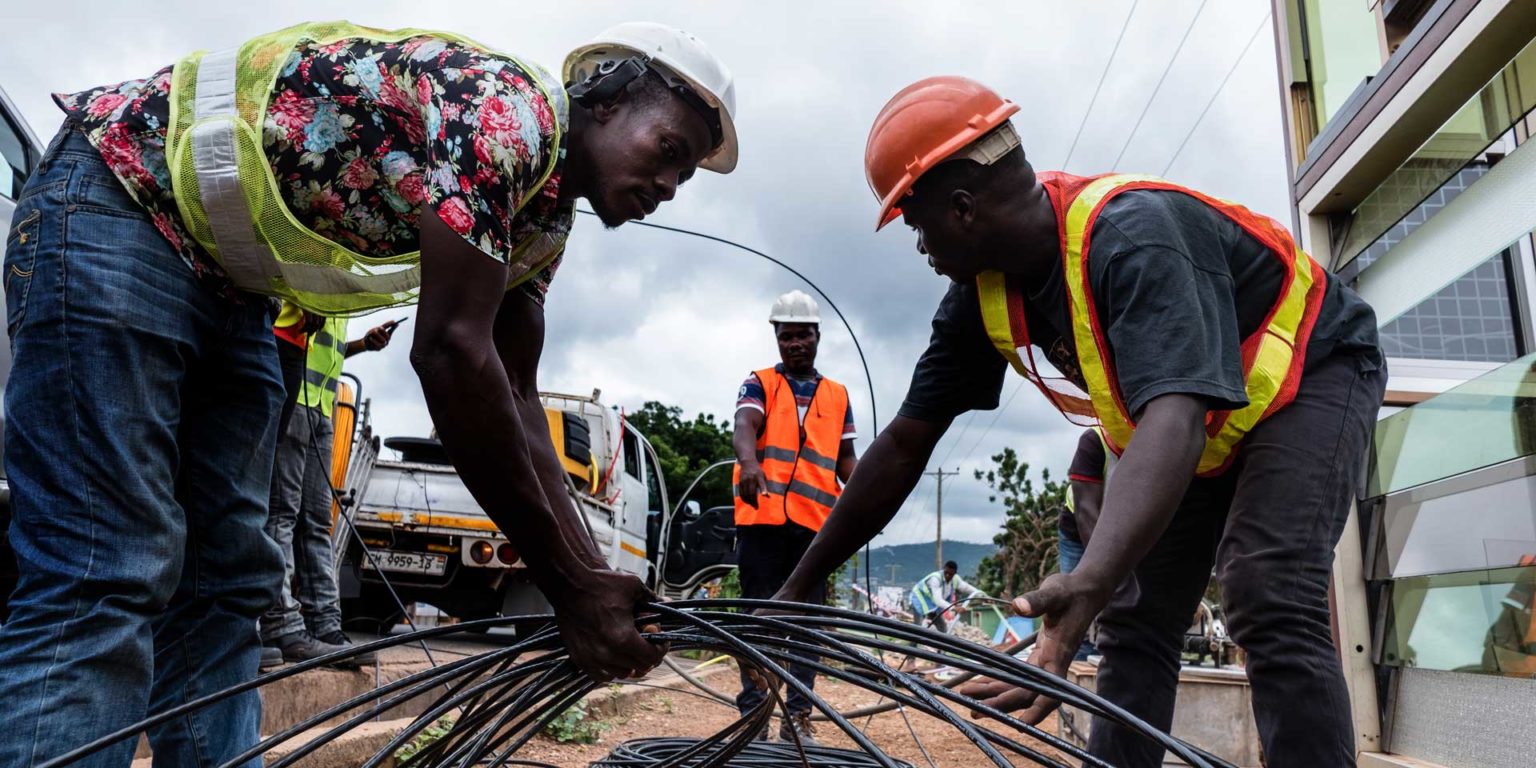
Most cable damage is caused by human activity—fishing trawlers and ship anchors account for 70–80% of incidents. Other causes include seafloor currents, equipment failures, and natural disasters like the one that struck Côte d’Ivoire.
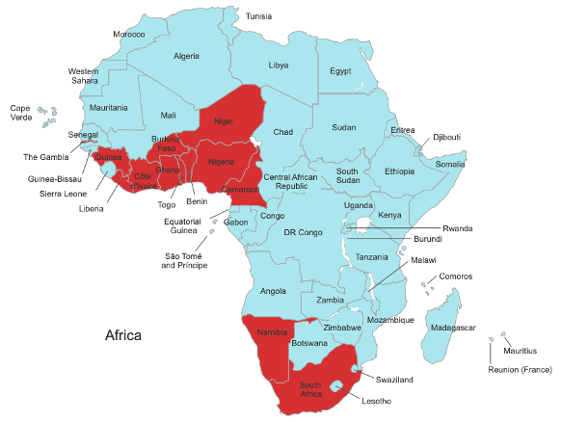
Image Credit: internetsociety.org
The cost of inaction
- Regional collaboration to invest in repair ships stationed closer to African waters.
- Faster government approvals to cut down unnecessary delays.
- Incentives for private investment to strengthen Africa’s internet infrastructure.
“We need to have regional conversations on submarine cable deployment and protection in Africa,” said Jane Munga, Fellow at Carnegie Endowment for International Peace. “Without better policies, Africa’s internet will remain fragile.”
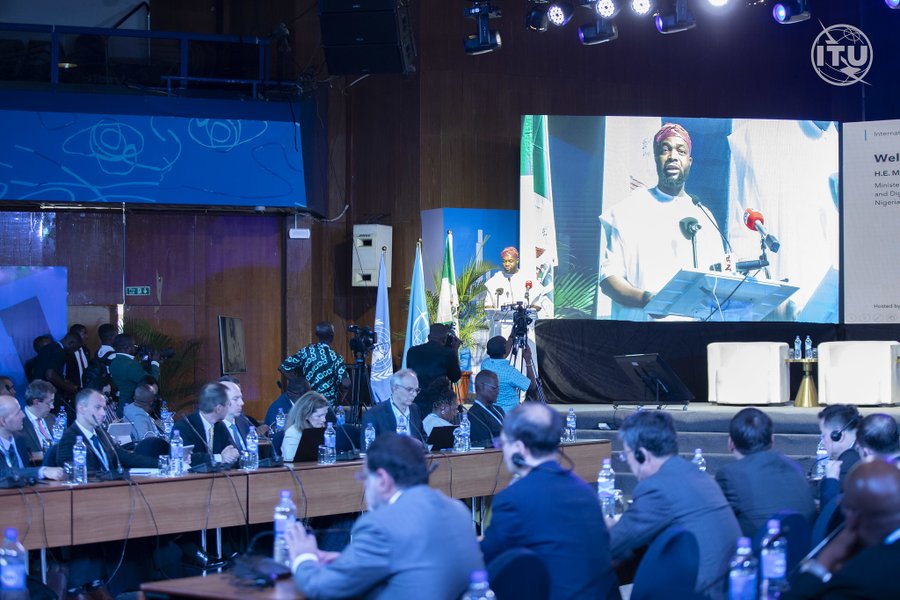
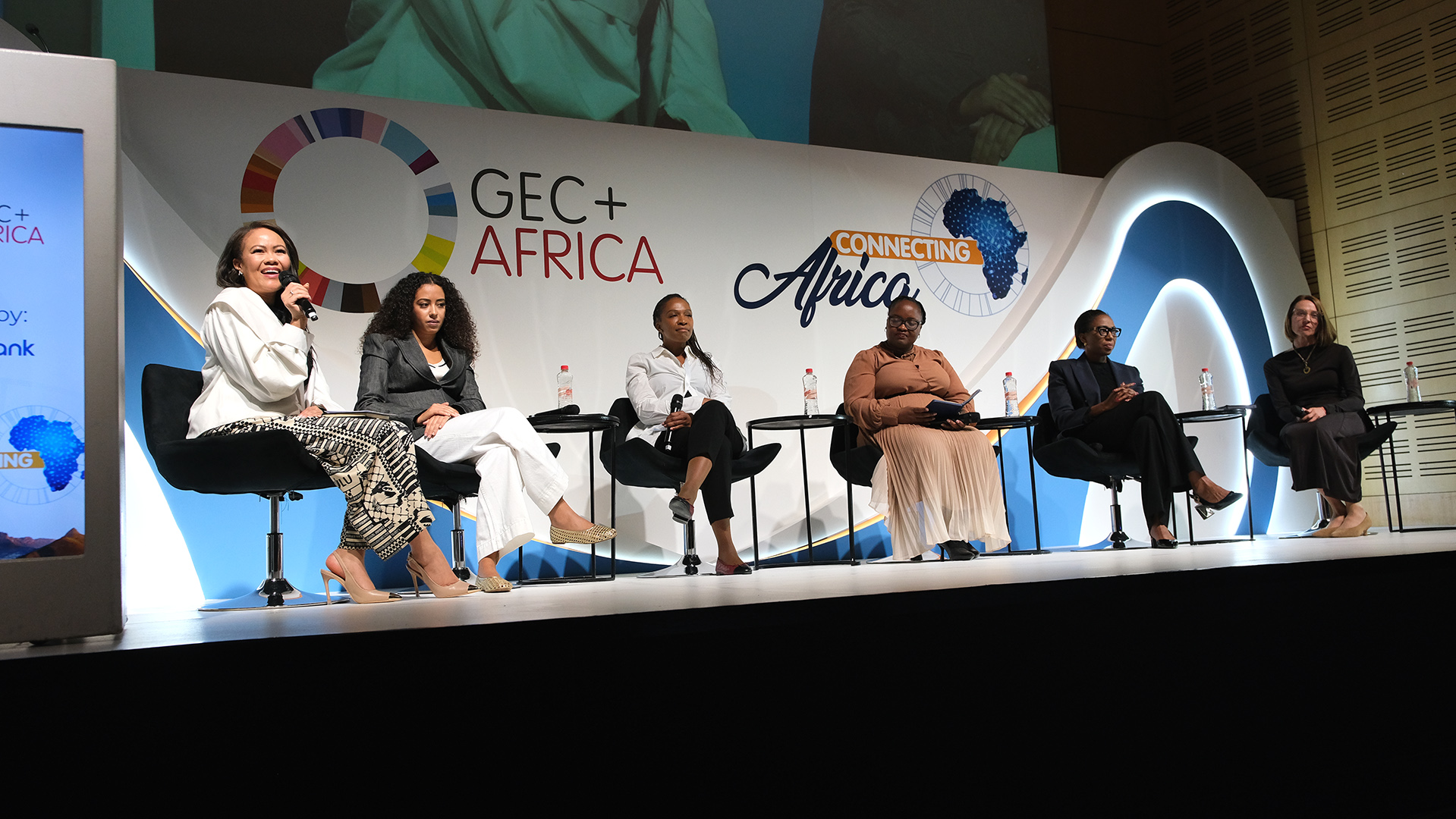
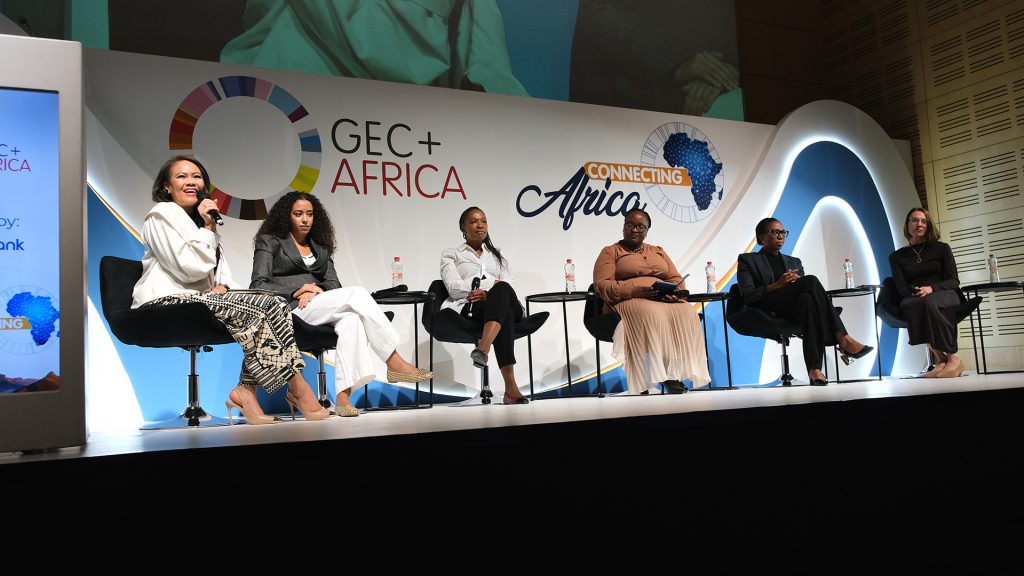
Solutions exist, but progress remains slow. Image: ITU summit.
The ITU and the International Cable Protection Committee (ICPC) have launched a new advisory body to improve global resilience in submarine cable networks. Co-chaired by Nigeria’s Minister of Communications, Bosun Tijani, and Portugal’s Sandra Maximiano, the panel aims to accelerate solutions.
But without aggressive reforms, Africa risks remaining the world’s most vulnerable region for internet blackouts—one cable cut away from another months-long digital shutdown.