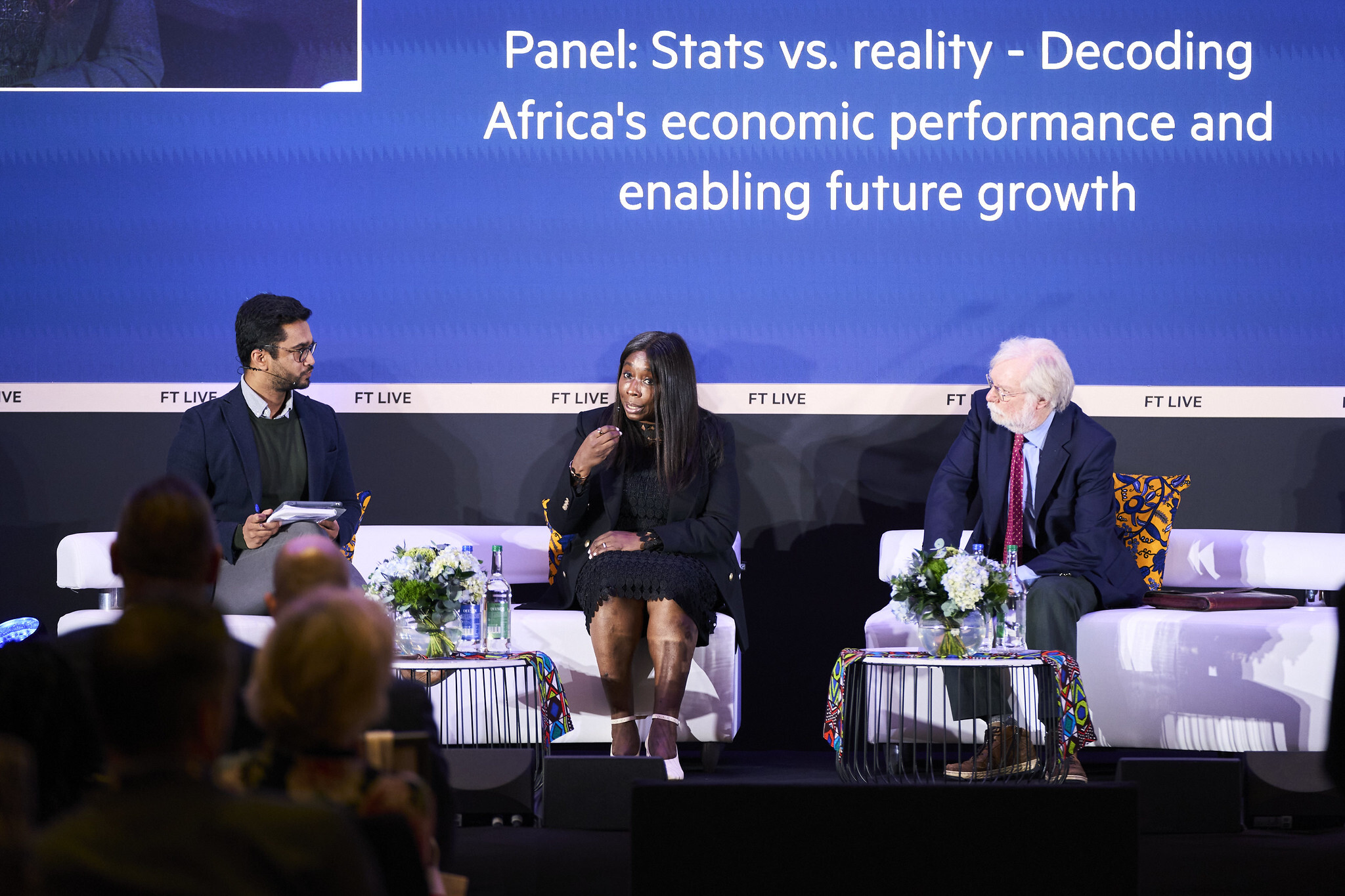
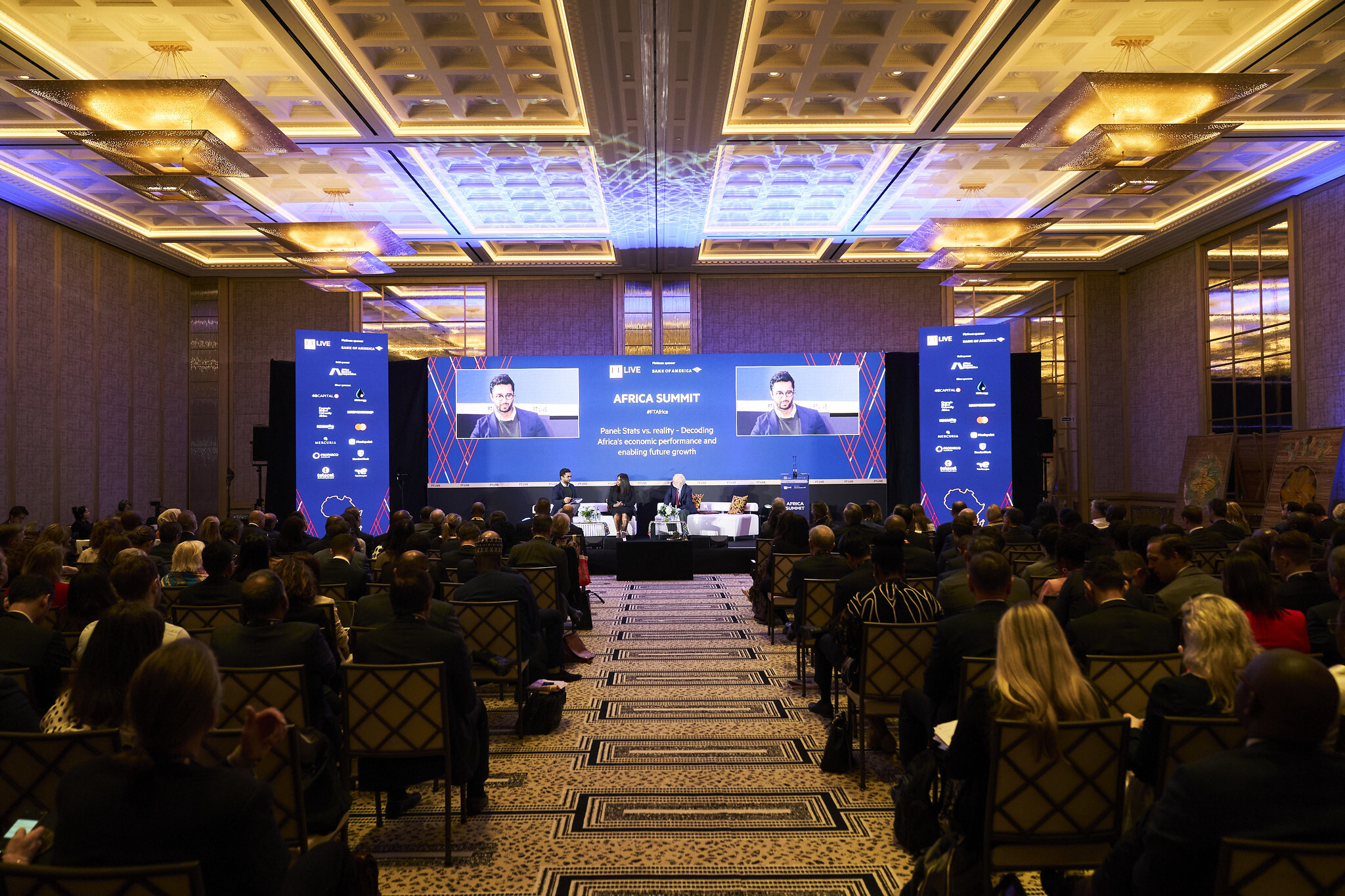
As the world races to harness the transformative power of artificial intelligence, a quiet but profound shift is underway in Africa. Once cast as a consumer of imported technologies, the continent is increasingly positioning itself as a testbed for the infrastructure, ethics, and innovation that will shape the next era of AI. At the forefront of this shift are Ghana and Kenya: two countries whose choices may determine whether Africa becomes a passive player in the AI revolution or a global leader in redefining its values. This question of agency and leadership is also at the heart of the upcoming Financial Times Africa Summit in London, where policymakers and business leaders will debate Africa’s role in a changing world.
Building the Pipes of AI
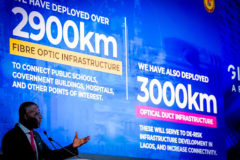
Artificial intelligence relies on compute, storage, and connectivity, the hidden plumbing of the digital age. Across Africa, this foundation is being built at an unprecedented pace. The Google Equiano Subsea Cable, which reached Nigeria, Namibia, and South Africa, is already lowering internet costs and boosting bandwidth. Amazon Web Services’ Cape Town region and Microsoft’s Africa Development Centre are equipping businesses and engineers with cloud and machine learning capabilities.
At the same time, Kenya is experimenting with geothermal-powered data centres, tapping renewable resources to pioneer sustainable AI infrastructure. These efforts show that Africa is not only consuming imported infrastructure but also innovating on its own terms. The question is whether such foundations will translate into leadership in ethical AI, or reinforce dependencies on foreign giants.
Africa’s Ethical Edge
If infrastructure is the backbone of Africa’s AI leap, then ethics and inclusion are its beating heart. With a median age of just 19, Africa is home to the world’s youngest population: a digital-native generation inclined to imagine technology through the lens of community values and social responsibility.
Kenya’s history of grassroots innovation, exemplified by the global success of M-Pesa, proves that African solutions can set global standards. In Ghana, ed-tech startups are piloting low-bandwidth AI tutors that deliver multilingual instruction, bringing education to rural classrooms underserved by teachers and resources. Healthcare innovators are training AI models to detect diseases such as malaria and tuberculosis, while AI-powered agricultural tools are helping smallholder farmers adapt to climate change.
This potential for Africa to leverage AI to leapfrog traditional development challenges, a central theme of the upcoming summit discussions, reflects the continent’s unique opportunity to chart a different course in the global AI landscape.
Who Gets Left Behind?
The promise of Africa’s AI revolution is tempered by uneven access. In Kenya, around 60% of urban residents are online, compared to less than 20% in rural areas. In Ghana, electricity access in rural regions remains unreliable, cutting off millions from participation in the digital economy. Across sub-Saharan Africa, more than 600 million people still lack dependable electricity, a clear reminder that the AI future rests on foundations many communities do not yet share.
Gender disparities compound the divide. A University of Nairobi study found women severely underrepresented in ICT and AI-related fields, with male students dominating postgraduate programs. In Ghana, female enrolment in ICT courses remains consistently below 15%. Without deliberate intervention, Africa risks allowing AI to replicate old inequalities rather than dismantle them.
Digital Colonialism or Sovereignty?
Another challenge is who controls Africa’s AI infrastructure. Subsea cables are owned by Google and Meta. Cloud services are dominated by Amazon Web Services and Microsoft Azure. AI research priorities are too often set in Silicon Valley or Europe, not in Accra or Nairobi. This dynamic raises the spectre of digital colonialism—a future in which Africa hosts the hardware but cedes the value chain to external actors, echoing familiar patterns of resource extraction.
Yet resistance is growing. Kenya’s Data Protection Act requires that certain categories of personal data be stored and processed locally. Ghana’s cybersecurity strategies are moving in the same direction, exploring data sovereignty measures to keep sensitive information within national borders. Local startups are curating indigenous datasets that reflect African languages and cultural contexts, laying the groundwork for AI systems that are both accurate and inclusive. These steps hint at a different trajectory, one where Africa asserts sovereignty over its digital future.
Global Conversations, Local Leadership
For Ghana and Kenya, the stakes extend well beyond their own borders. As debates rage worldwide over bias, safety, and governance in AI, Africa’s youthful, diverse, and innovative societies offer perspectives that challenge the status quo. In a world where AI models too often reproduce Western values and blind spots, African leadership could show how fairness and inclusion can be baked into the very architecture of technology.
Just as M-Pesa redefined mobile finance, Africa’s ethical experiments with AI could help rewrite what responsible innovation looks like, not only for the continent, but for the world.
Africa’s Turn to Lead — Ethically
Africa has often been portrayed as a latecomer to technological revolutions. This time, the narrative is different. With Africa AI projected to add billions to their economy by 2030, Ghana and Kenya are not just catching up; they are offering the world a different script. While Silicon Valley and Beijing wrestle with AI scandals of bias, surveillance, and monopolistic control, Africa’s experiments are grounded in community, fairness, and resilience.
If Ghana and Kenya succeed in embedding these values into their AI ecosystems, they won’t merely participate in the global race; they could redefine its rules. The real question, as will be posed on the FT Africa Summit stage, is whether the rest of the world is ready to learn from Africa’s ethical lead.