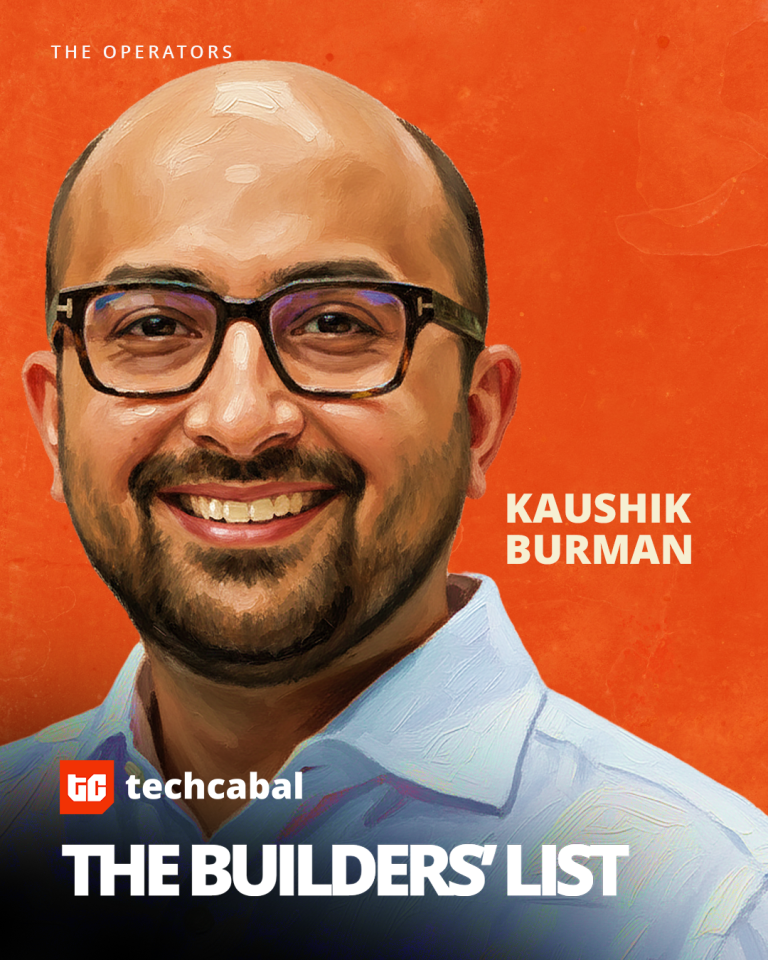
By 2025, Africa’s electric mobility conversation had outgrown pilots. Kaushik Burman was already building at scale.
As CEO of Spiro, Burman spent the year turning electric two-wheel transport into a functioning, pan-regional system. Since taking on the role in 2023, his focus has been consistent: scale the infrastructure first, then let adoption follow. In 2025, that strategy reached a critical threshold.
Spiro expanded its electric motorcycle and battery-swapping network across six core African markets, with pilot rollouts in Tanzania and Cameroon, converting what had once been isolated deployments into a connected regional footprint.
The company surpassed 60,000 deployed electric motorcycles and built more than 1,200 battery-swapping stations, enabling tens of millions of low-carbon kilometres of daily transport. By year-end, Spiro was on track to exceed 100,000 deployed vehicles, a scale few clean-mobility startups on the continent have ever reached.
In October, Spiro raised $100 million, but capital was a consequence of execution, not its driver. What distinguished the company’s 2025 was how that capital was deployed: into dense, repeatable infrastructure rather than cosmetic expansion.
Under Burman’s leadership, Spiro also deepened local manufacturing, scaling assembly operations in Kenya and tightening the feedback loop between production, deployment, and maintenance. This reduced supply-chain fragility and anchored the company more firmly within local economies — a necessary condition for any mobility system built to last.
By the end of 2025, Spiro had moved decisively from proof of concept to system-level execution. Burman’s contribution is proving that electric mobility can work in Africa and demonstrating that infrastructure determines who scales. In doing so, he forced the market to move past whether electric mobility was viable and reckon instead with how fast it could grow.