The Kenyan government on Monday began selling a 65% stake in the state-owned Kenya Pipeline Company, aiming to raise $835 million for infrastructure in what would be its first initial public offering (IPO) in over a decade.
The government, through the National Treasury, will sell 11.8 billion shares in Kenyan Pipeline, valuing the company at KES 163.6 billion ($835 million) in a sale running from January 19 to February 19. The IPO is priced at nine shillings per share, the offer documents showed.
Of the 65% stake on offer, the government allocated 20% to retail investors, 20% to institutional investors, and 15% to regional East African Community investors, while oil marketing companies were set aside 15%.
The sale is part of President Ruto’s effort to divest from state companies and raise funds for infrastructure as the country struggles with mounting debt. The plan follows a similar decision to offload part of Treasury’s stake in Safaricom, the region’s most profitable company.
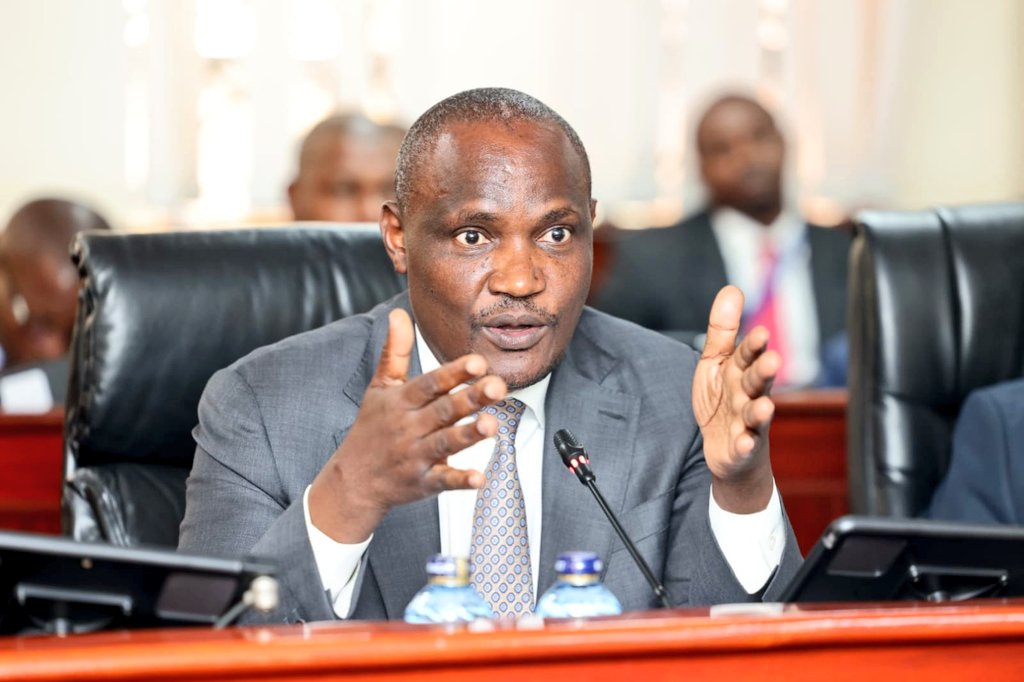
“It is a decision about capital efficiency rather than asset disposal,” National Treasury cabinet secretary John Mbadi said at the IPO launch. “These companies are not supposed to be kept like souvenirs.
The Kenya Pipeline IPO will be the region’s most significant, surpassing Safaricom’s 2008 IPO, which raised KES 50 billion ($387.5 million). The offering could breathe new life into Nairobi’s capital markets and restore confidence among both local and foreign investors.
A successful Kenya Pipeline IPO could reopen the window for other companies like fast-growing private firms and startups to tap public markets for long-term capital, helping reverse a prolonged drought in equity fundraising.
“I’d guess this IPO of Kenya’s Pipeline Company will lift the country’s weight in both the MSCI Frontier and Frontier Emerging market indexes,” Charlie Robertson, an Africa-focused strategist, posted on X. “This would raise the visibility of Kenya and allocation of global portfolio investors to Kenya. Equity capital is safest for Kenya.”
In 2025, the company reported KES 10 billion ($77.5 million) in pretax profit, making it one of the most profitable government ventures. The company owns 1,342 kilometres of pipeline and transports over 10 billion cubic litres of petroleum products in Kenya and in neighbouring countries like Uganda.