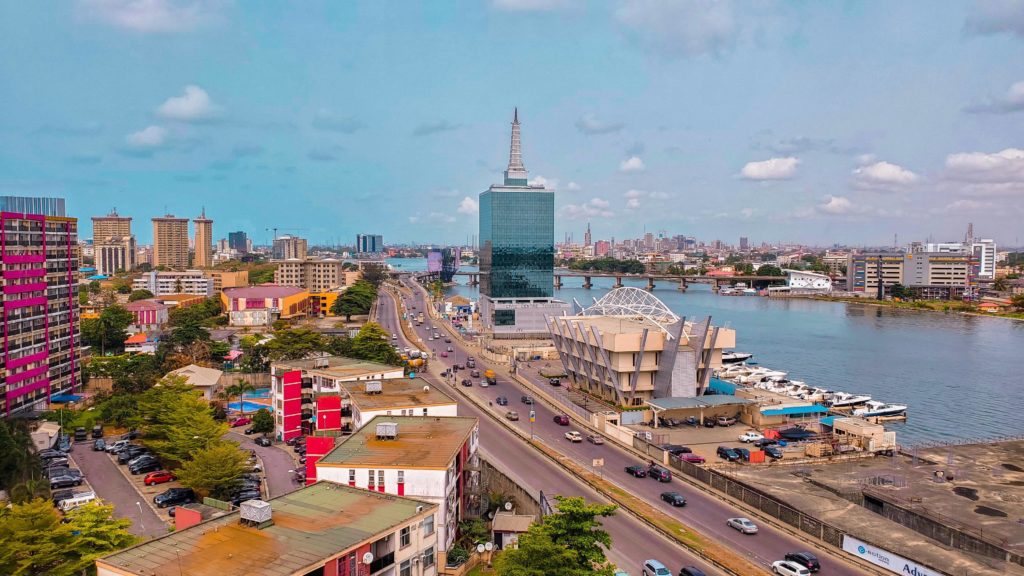
Nigeria’s economic reforms to boost consumer spending and growth
- Nigeria’s Gross Domestic Product (GDP) is projected to rise by 4.0% in 2026, compared to global GDP growth of 3.1%
- Fiscal reforms and investments are unlocking new consumption and business activity
- Shifts in global trade flows reshape export dynamics
- SMEs and digital adoption remain key growth themes
Lagos, Nigeria; 26th January 2026: The Mastercard Economics Institute (MEI) has released ‘Economic Outlook 2026’, its annual report identifying themes that will shape this year’s economic landscape. The report examines how global policy changes which grabbed headlines in 2025 will continue to influence economies around the world throughout 2026. Growth across Sub-Saharan Africa is expected to strengthen in 2026, supported by easing inflationary pressures, resilient consumer demand and infrastructure investment.
Nigeria’s economy is expected to expand by 4.0% in 2026, outpacing the projected global growth of 3.1%. Growth is expected to be driven by resilient consumer demand as fiscal reforms ease pressures on households and major investment programs support business activity.
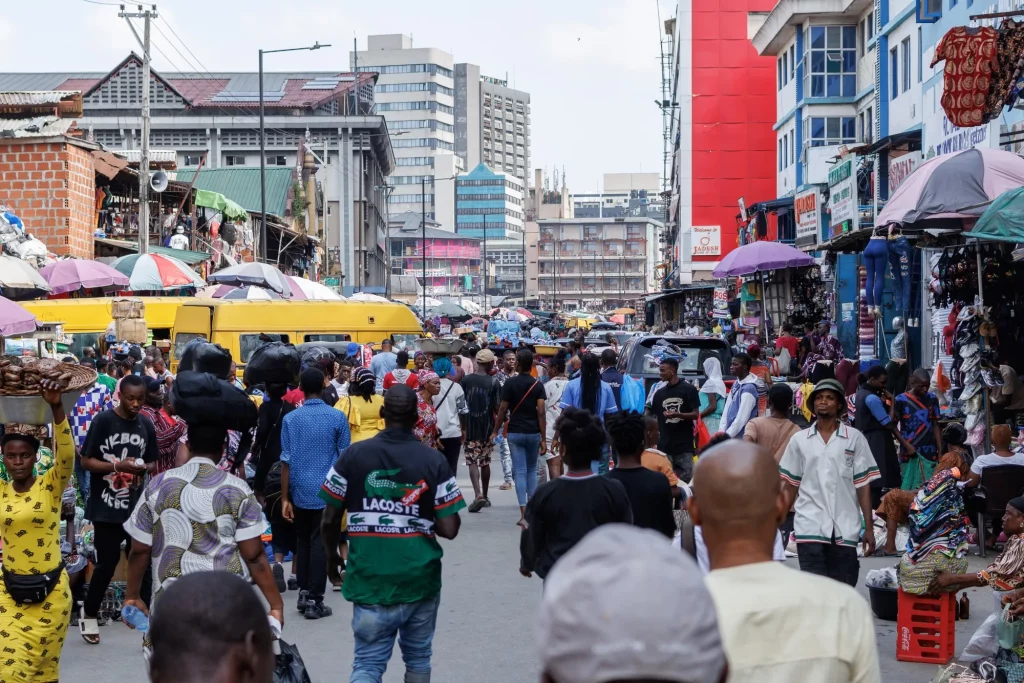
Inflation pressures are forecast to be moderate across Africa, aided by a weaker US dollar and lower energy prices, allowing room for central banks to reduce interest rates. Mastercard data indicates that in Nigeria, consumers have already increased their discretionary spending in the first half of 2025, most notably on travel, signalling growing consumer confidence.
“Nigeria’s economic outlook highlights the benefits of reform momentum and slowing inflation, which are helping to restore purchasing power. While global trade pressures remain, strong domestic demand and diversification into strategic industries are expected to support growth in 2026,” said Khatija Haque, chief economist, EEMEA, Mastercard Economics Institute.
“Nigeria’s reform momentum and improving business sentiment are unlocking new avenues for growth, from everyday consumer spending to the rise of technology-driven enterprises. With one of the continent’s most dynamic consumer markets, the outlook for 2026 highlights Nigeria’s powerful role in shaping Africa’s economic future,” said Folasade Femi-Lawal, country manager, West Africa at Mastercard.
Key findings from the report include:
Reforms are supporting stronger consumer demand
Structural reforms and moderating inflation are expected to improve household balance sheets, enabling consumers to spend more freely. Demand for services, including travel, leisure and lifestyle, has already strengthened, according to Mastercard data.
Diversifying trade with emerging markets
African economies, including Nigeria, are trading more within the EEMEA region and with other emerging markets. As US tariffs affect key sectors including automobiles, textiles and agricultural products, the Chinese Mainland’s removal of import duties on most African goods could help open alternative markets, deepening exporters’ integration into global supply chains. As trade corridors expand, Mastercard’s cross-border payment solutions support businesses by enabling faster, more secure and more efficient international transactions.
Investment remains a key driver of growth
Investment is expected to remain a key driver of economic growth across Africa, including Nigeria. MEI notes that investments in renewable energy, transport and logistics infrastructure, natural resources and urban development should bolster economic activity by strengthening productive capacity and supporting longer-term growth.
Digital transformation boosts SME participation
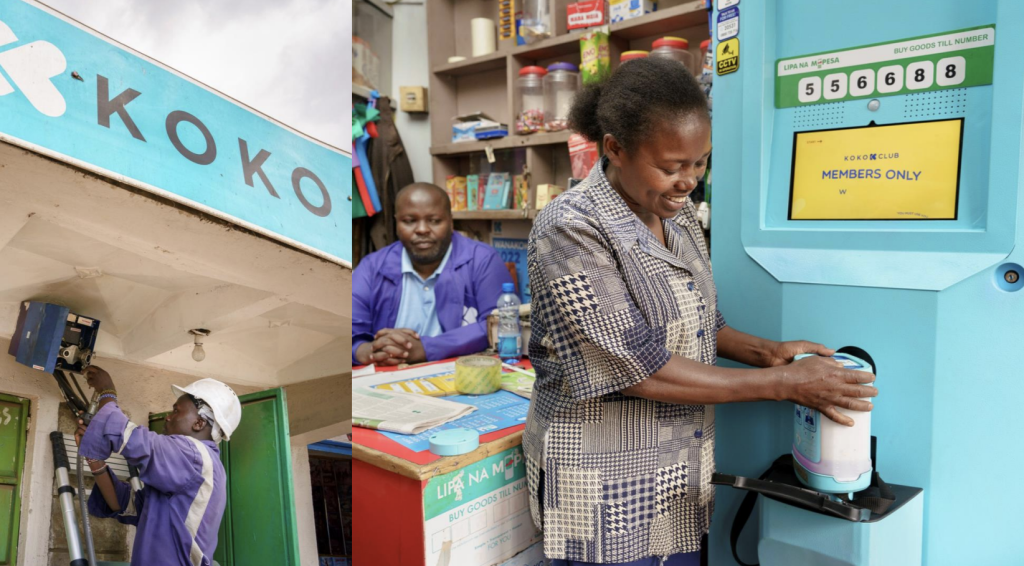
The MEI anticipates digital transformation, particularly deeper AI integration, will boost productivity and growth. With growing adoption of digital payment tools globally, MEI sees an opportunity for SMEs to continue to gain share in tech-driven services. To succeed, SMEs require strategic agility and digital readiness. Those that are the most flexible and tech-forward are likely to be best positioned to accelerate growth.
Consumers worldwide will remain savvy, focusing on international, tech-enabled and value-conscious spending. They will continue to prioritise meaningful moments, such as travel and live events, while remaining price-sensitive for many necessary goods.
The ‘Economic Outlook 2026’ report draws on a multitude of public and proprietary data sets, including aggregated and anonymised Mastercard sales activity, as well as models that are intended to estimate economic activity.
END
Disclaimer
This Mastercard Economics Institute presentation (This “Presentation”) and content or portions thereof may not be accessed, downloaded, copied, modified, distributed, used or published in any form or media, except as authorised by Mastercard. This presentation and content are intended solely as a research tool for informational purposes and not as investment advice or recommendations for any particular action or investment and should not be relied upon, in whole or in part, as the basis for decision-making or investment purposes. This presentation and content are not guaranteed as to accuracy and are provided on an “as is” basis to authorised users, who review and use this information at their own risk. This presentation and content, including estimated economic forecasts, simulations or scenarios from the Mastercard Economics Institute, do not in any way reflect expectations for (or actual) Mastercard operational or financial performance. The Mastercard Economics Institute uses a multitude of data sets (public and proprietary) as well as models that are intended to estimate economic activity.
About the Mastercard Economics Institute
Founded in 2020, the Mastercard Economics Institute draws on unique, high-frequency and actionable economic measurements to give leaders in business and government the insights needed to make thoughtful decisions with better outcomes.
About Mastercard
Mastercard powers economies and empowers people in 200+ countries and territories worldwide. Together with our customers, we’re building a resilient economy where everyone can prosper. We support a wide range of digital payments choices, making transactions secure, simple, smart and accessible. Our technology and innovation, partnerships and networks combine to deliver a unique set of products and services that help people, businesses and governments realise their greatest potential. www.mastercard.com
Mastercard Communications Contact: kanyi.mwangi@mastercard.com