Prediction
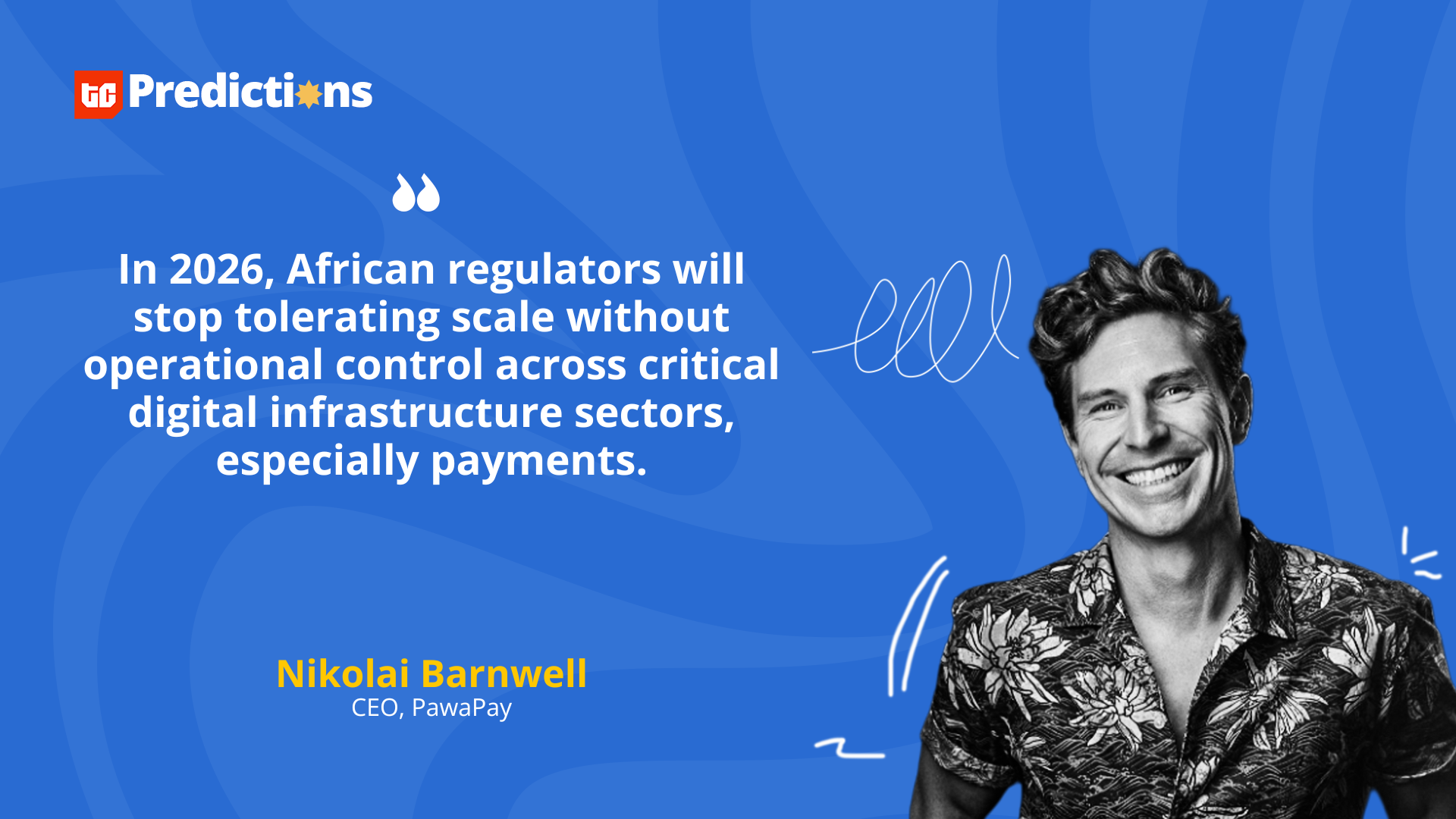
In 2026, African regulators will stop tolerating scale without operational control across critical digital infrastructure sectors, especially payments.
As transaction volumes grow, digital payment rails will increasingly be treated as national infrastructure rather than high-growth tech products. Enforcement will start catching up to scale, making informal or grey routes commercially unviable for serious businesses, particularly in remittances, gaming, and FX trading.
Supporting Evidence
Mobile money already processes tens of billions of transactions annually and is the default payment rail in many African economies. At that level of volume, payments stop being a growth story and become a stability problem.
We’re already seeing this shift in tighter licensing, closer scrutiny of settlement and FX flows, and faster regulatory intervention when outages or mismatches spill into the real economy, which naturally drives tighter oversight.
Risk Factor
The big risk here isn’t regulatory intent but execution capacity. In some markets, transaction volumes are growing faster than supervisory infrastructure, which may allow informal routes to persist longer than regulators would like. Even so, as volumes grow, operating at scale without control becomes increasingly difficult to sustain.
Who is Nikolai Barnwell?
Nikolai has worked in African technology for over a decade. He began as an investment manager at 88mph, supporting the growth of companies including betPawa and Mdundo.
He later moved into operational leadership as COO at betPawa, and now serves as CEO of pawaPay, where he is building mobile money payments infrastructure for businesses operating across Africa.