IN PARTNERSHIP WITH
Good morning 🌞
Some cool things are coming to TechCabal today.
No, they’re not new air conditioners to help our Nigerian readers deal with the sensational heat. 😐
Here are a few hints: there’s one that will sit on your head, one you can wrap your fingers around, and another that could hug you tight.
What are we talking about? 🌚
In today’s edition
- What’s new at Apple?
- The startups leading fintech in Congo
- Building a neobank for the supply chain industry
- Nigeria’s Sendbox goes live in Ghana
- Opportunities
WHAT’S NEW AT APPLE?
Yesterday, Apple held its first 2022 event. In usual Apple style and flair, the smartphone company announced some upgrades sprinkled with a few new products.
If you missed the Peek Performance event—which was watched live by over 150,000 on YouTube—here are the highlights:
- iOS 15.4 is coming. Last month, Apple hinted at a few updates for its operating system. It included an upgrade to FaceID that allows users unlock their phones with their masks on, and a payment option that virtually turns all iPhones to POS devices. Both features will be coming with iOS 15.4 which will be released next week. The update will also include a new emoji and a gender-neutral option for Siri.
- The iPhone 13 and iPhone 13 Pro are getting new colours. If you’re tired of your “starlight” or “midnight” colours, both phones will come in two exciting new colours—green and alpine green.
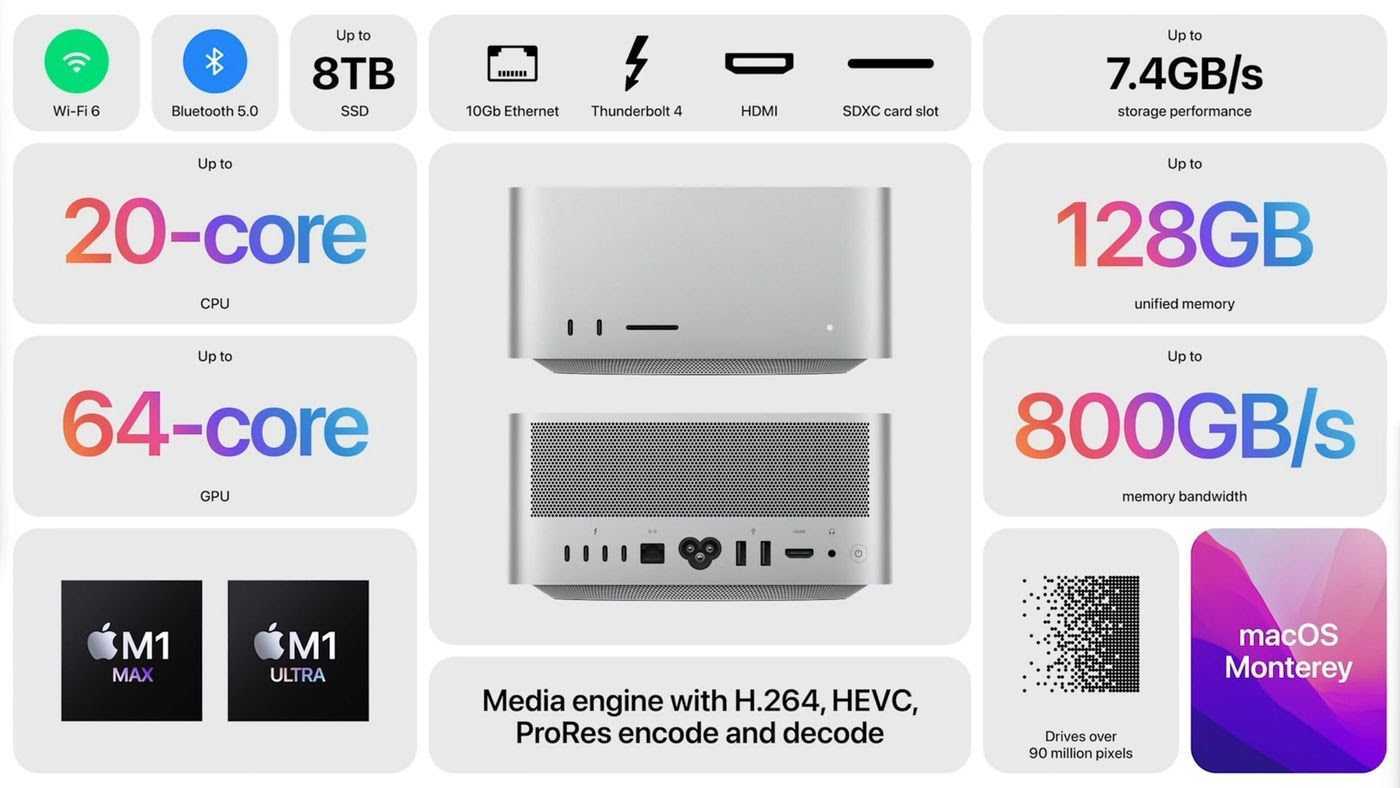
- For the first time in years, Apple is releasing a new Mac model: the Mac Studio. It’s not like all the other Macs though, this one is a display-less cube that Apple claims will deliver 50% faster CPU performance than a Mac Pro. The highest model comes with a new chip, the M1 ultra, which is also 8 times faster than the M1 which was released in 2020.
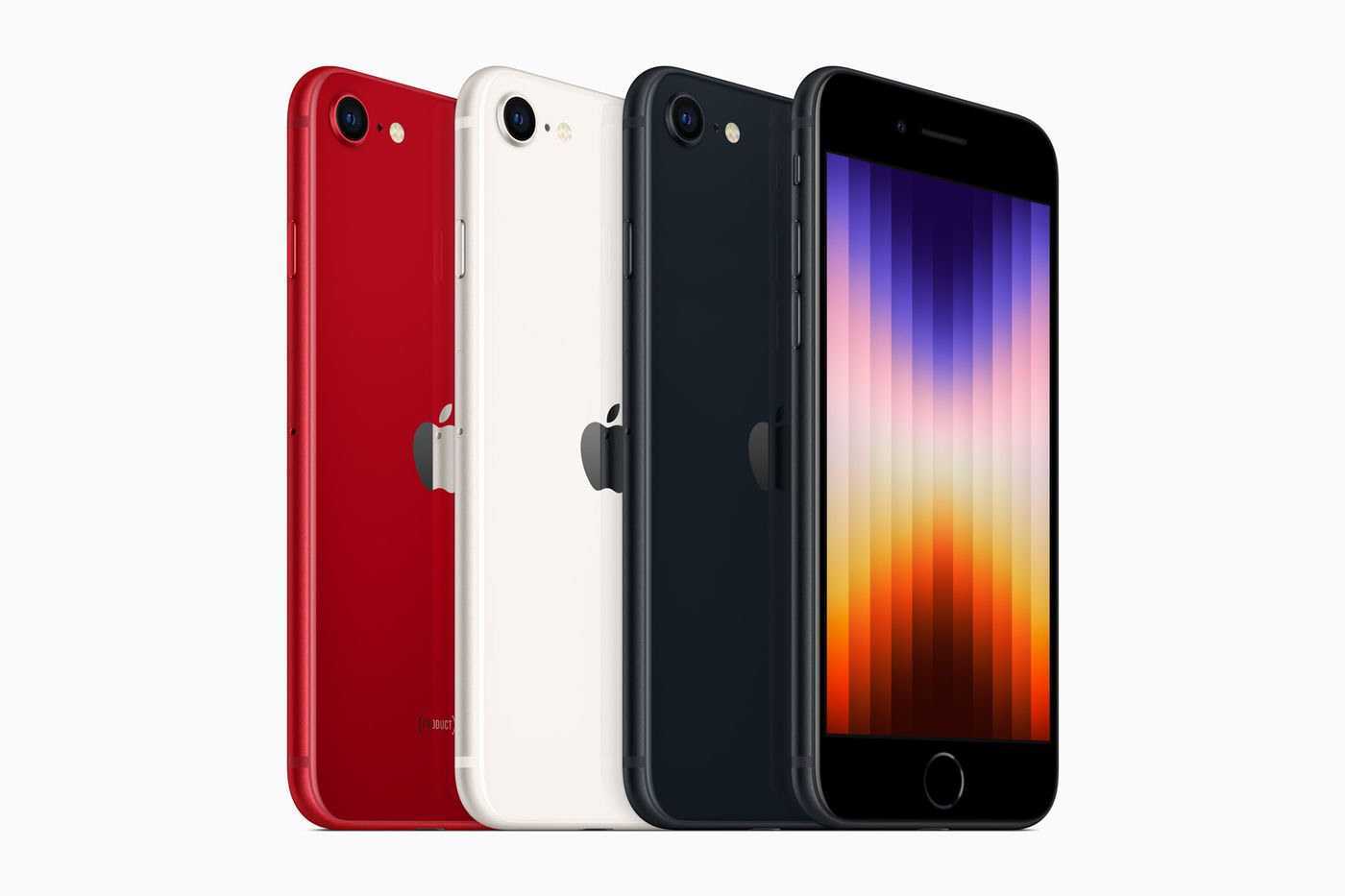
- There are a few more new devices including an updated iPad Air with the M1 chip which starts at $599 and a new budget phone, the iPhone SE—starting at $429—whose only catch is its 5G capacity.

Yet to get paid for your hilarious tweets?
Simply add Barter to your Twitter profile and start accepting tips and donations from your followers.
Learn how to set up Barter for Tips.
This is partner content.
THE STARTUPS LEADING FINTECH IN CONGO
As with most countries in sub-Saharan Africa, access to basic financial services is significantly limited in the Democratic Republic of Congo (DRC). Just 14% of the population have an actual bank account and only 25% have an account with either banking or any other financial institution.
More so, there is less than 35 kilometres of paved road for every 1 million inhabitants in the French-speaking country, making traditional branch-based banking unfeasible for most of its 90 million residents and the bid for financial inclusion arduous.
The digital finance revolution that’s played out in the rest of Africa over the past decade thus cannot come soon enough for people in the central African nation, especially given it has a 47% mobile phone penetration rate, with the figure likely to grow further.
A number of startups have sprung up over the past 5 years, which, through fintech innovations, have brought financial services closer to where people live and work.
Flash International
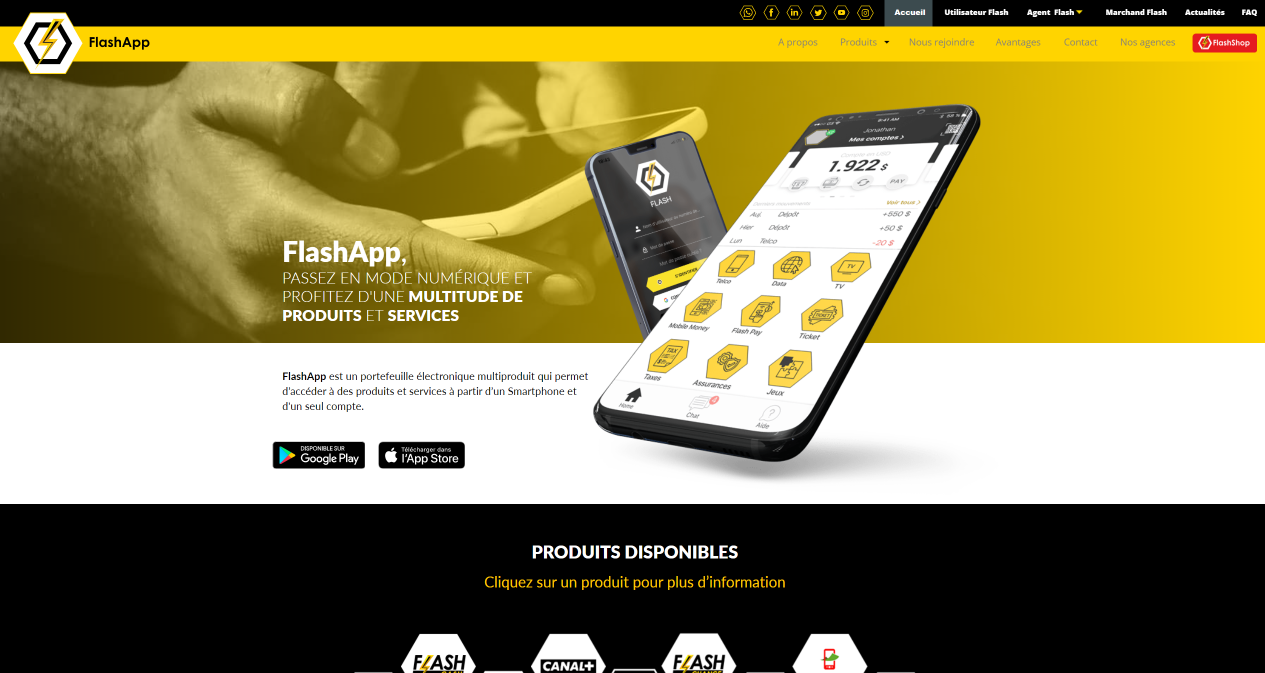
There’s Flash International, the largest fintech and payments aggregator in the country serving 2 million customers.
Flash operates a network of agents that allows people to do their banking on its mobile platform (FlashApp), putting financial services—including remittance, payments, and other value-added services—within easy reach. And instead of opening individual accounts with multiple banks or mobile money operators, Flash gives its users a card with which they can accept all payments.Next, Okapi Finance
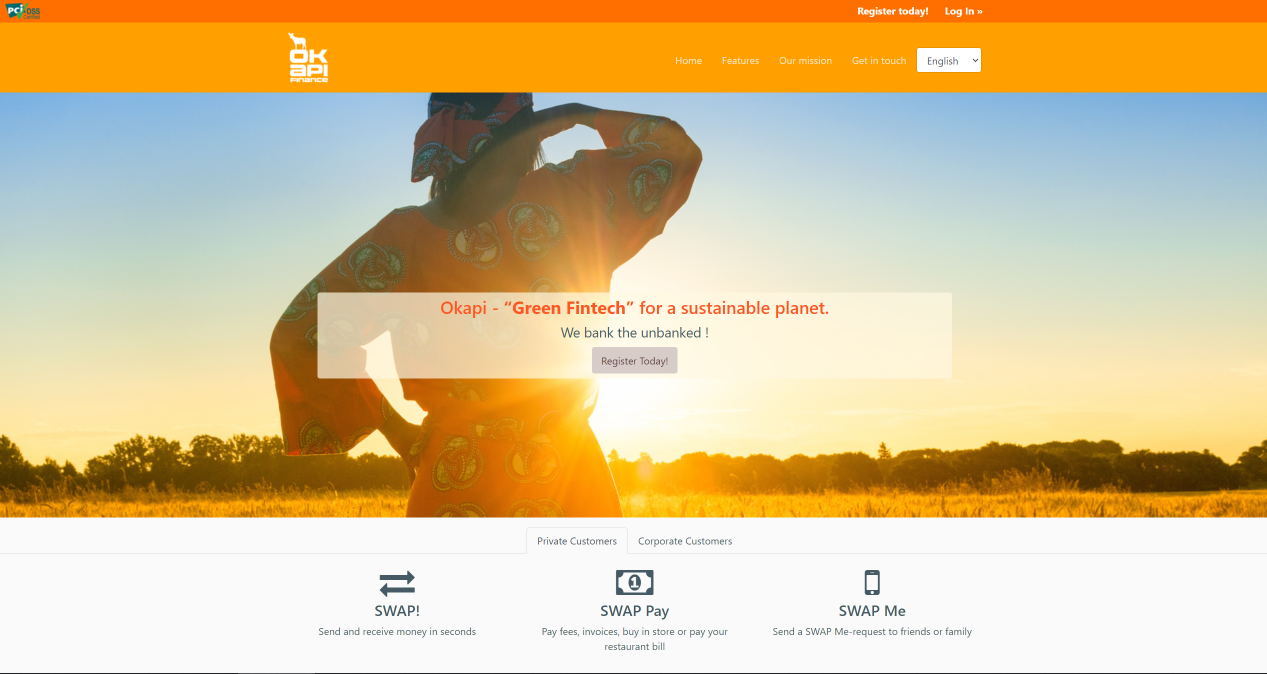
Okapi Finance, launched last year, is a platform that allows both individual and enterprise customers carry out daily financial transactions like deposits, money transfers, and salary disbursements through its web and mobile platforms, USSD, and physical agents.
Faysal Company
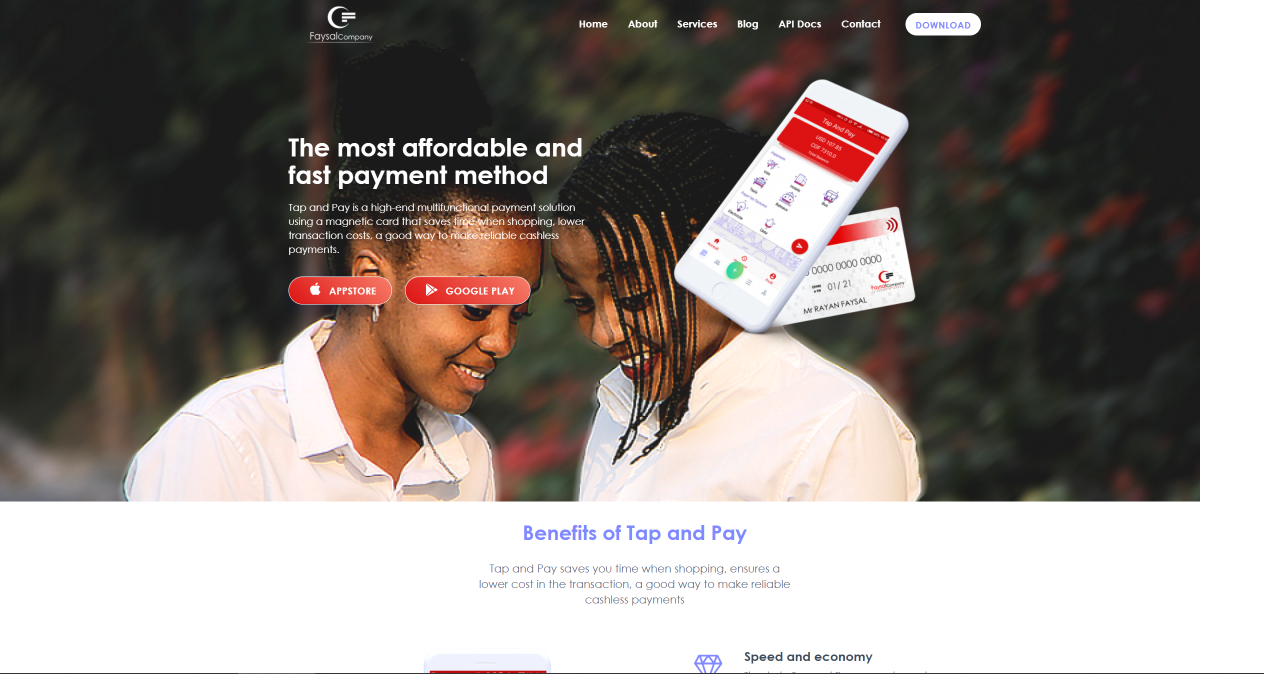
Whereas Flash focuses on urban areas like Kinshasa with most of its agents in DRC’s major cities, Faysal Company targets the unbanked population in rural areas, where more than half of the population resides. The startup offers a “Tap and Pay” solution—a magnetic card that interacts with POS machines and interfaces with a virtual wallet.
Michael Ajifowoke examines how these startups circumvent fintech challenges in this article.
At Busha, we want everyone everywhere in Nigeria to have access to crypto. That’s why you can buy as low as ₦250, set recurring buys, get the best rates, and soon 🤐 on Busha. Join 300,000+ Nigerians already using Busha.
This is partner content.
BUILDING A NEOBANK FOR THE SUPPLY CHAIN INDUSTRY

On the continent, access to credit is still one of the biggest challenges small businesses deal with.
Supply chain businesses, especially, have short periods to execute a contract, and due to the excessive bureaucracy and numerous requirements, acquiring credit from traditional financial institutions takes a long time, therefore these businesses are automatically at a disadvantage.
This is where Pivo comes in.
Pivo Capital is a credit-focused financial services platform for supply chain small and medium businesses (SMEs). Launched in September last year by Nkiru Amadi-Emina and Ijeoma Akwiwu, Pivo provides flexible and quick financing options for supply chain businesses like logistics service providers, clearing and forwarding businesses, and FMCG distributors. Pivo is like a third-party partner in a transaction between a buyer and a seller.
Side-bar: Supply chain finance is a type of cash advance suppliers receive from lenders to fulfil a transaction or contract before the buyer pays them.
Here’s how Pivo works
Once a business completes registration and asks for credit, Pivo prompts them to supply all the information about the transaction they need financing for. After that, Pivo assesses the businesses’ creditworthiness, runs a risk assessment on the transaction, and then profiles the businesses they are doing the transaction with, to ascertain whether they are credible and good for the money.
Once everything checks out and the buyer agrees to pay into the supplier’s Pivo account, Pivo then disburses the loan. In partnership with Providus Bank, Pivo provides its customers with a business account that facilitates remittance. So, after the money lands in the supplier’s Pivo account, the startup takes its dues.
Since launch, the startup has used this process to disburse $1 million in credit out of $2 million worth of requests. It also has about 250 direct SMEs customers and 5 ecosystem leads, which are larger corporations with SMEs Pico serves.
For now, Pivo is still building in stealth mode in Nigeria but there are plans to expand into new products and markets before the end of the year.
Fincra provides APIs for making and receiving local & international transfers in EUR, GBP & NGN.
Our APIs fit into all payment applications allowing fintechs to offer virtual bank accounts in multiple currencies.
Sign up for a demo here.
This is partner content.
NIGERIA’S SENDBOX GOES LIVE IN GHANA

Over the past couple of years, there has been a significant boom in social commerce activity in Nigeria.
Small and medium-sized merchants now leverage platforms like Facebook, Instagram, and WhatsApp as well as storefronts provided by fintech companies like Paystack and Flutterwave to reach more customers.
But like all e-commerce businesses almost in every country on the continent, the majority of these merchants struggle with the logistics side of things. In Africa, getting products delivered efficiently is a major hindrance to online selling.
Sendbox is one of the startups helping Nigerian merchants and customers who participate in e-commerce to send and receive items using channels like Instagram, Facebook, and WhatsApp. The startup uses a mix of technology and offline methods and offers merchants a reliable platform to help with their fulfilment.
Earlier this month, Sendbox revealed it has expanded to Ghana as part of its broader pan-African expansion plan.
Sendbox recently closed a $1.8 million seed round to scale its product offerings, hire more talents, and expand into more African markets, starting with Nigeria’s West African neighbour, Ghana.
Ghana’s a great choice for the startup. With over 2.5 million MSMEs in the country, Sendbox can grow its userbase while helping Ghanaian merchants save up on their logistics solutions.
OPPORTUNITIES
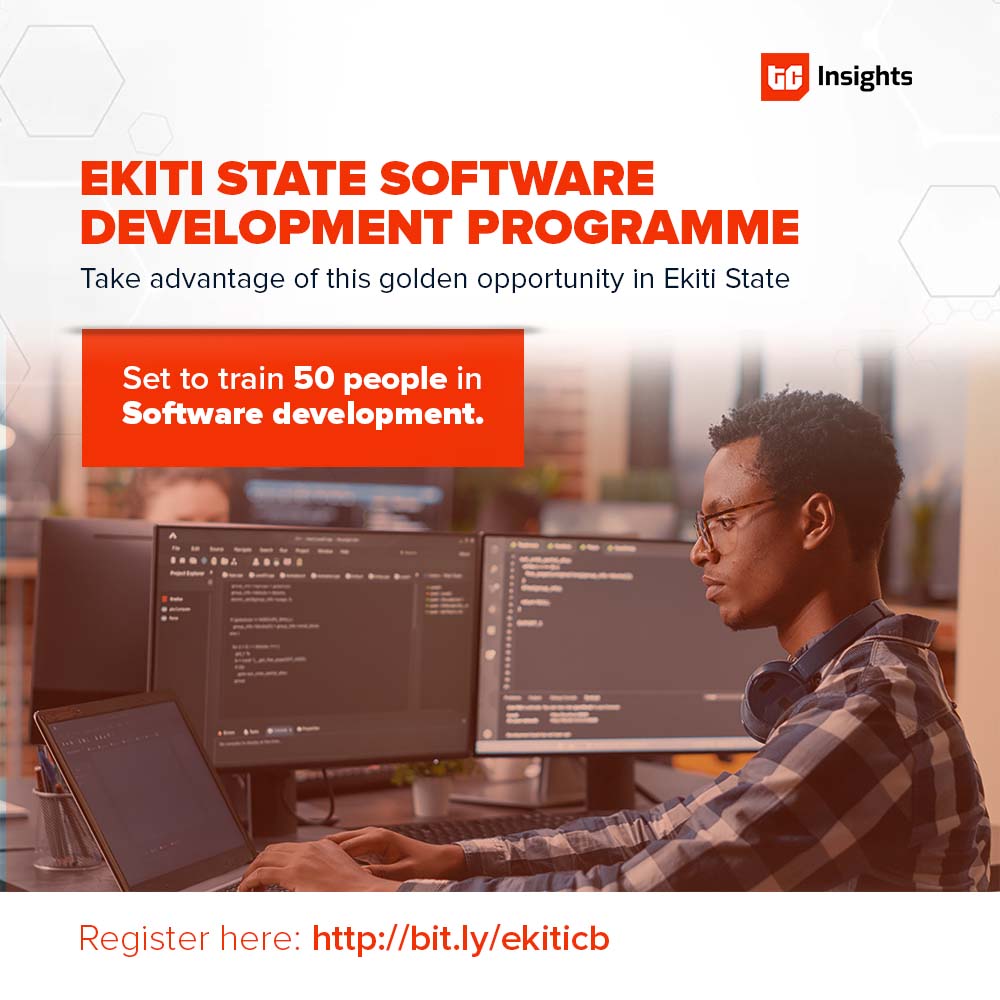
- The Ekiti State Government has launched a free training boot camp to train 50 of its residents in software development. The scholarship is open to residents of Ekiti, Nigeria—including non-indigenes of Ekiti State—who are interested in learning tech skills to land new job opportunities. Apply here.
- Applications are open for the Sound Connect Funds in Southern Africa2022 grant. Southern African NGOs and businesses that focus on and support the cultural and creative sector in Southern Africa are invited to apply to get up to €180,000 in grants. Check it out.
- Applications are now open for the United States African Development Foundation/Stanbic Kenya Grant Foundation Programme 2022. MSMEs in Kenya that are 100% African-owned are invited to apply for the chance to get up to $50,000 in grants. Check it out.
What else we’re reading
- Microsoft announces new initiatives to support 10,000 African startups over next 5 years.
- Nigeria’s need for wheat is rising—and so is the price.
- For young women in Africa, the promise of gig work still delivers.
- As Nvidia hacker deadline looms, 71,000 employee accounts have reportedly been exposed.