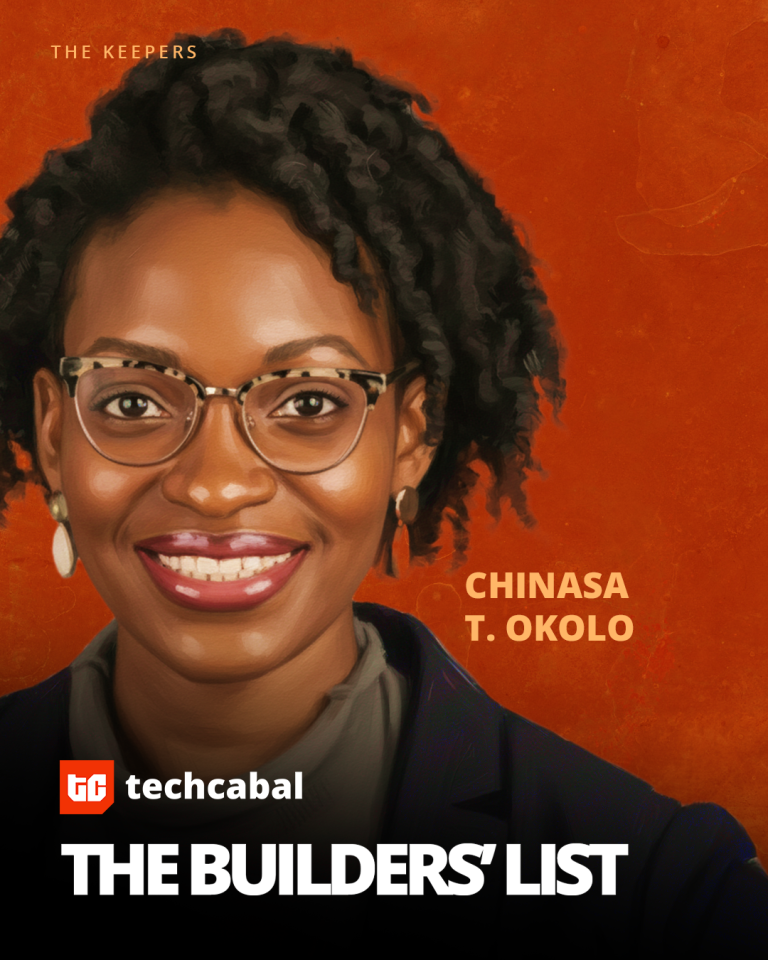
In 2025, when governments began deciding how artificial intelligence would actually be governed, Chinasa Okolo was in the room helping shape those decisions.
As an AI & Emerging Technologies Policy Specialist at the United Nations’ Office for Digital and Emerging Technologies (UN ODET), Okolo operated at a crucial junction: translating fast-moving AI research into policy frameworks governments could realistically adopt. At a time when AI debates are dominated by hype and imported solutions, her work focused on the practical—who benefits from AI systems, who bears the risks, and how states in the Global South can regulate without simply copying global templates.
Her research shaped that grounding. While a fellow at the Brookings Institution in 2024, Okolo published a widely cited analysis of AI’s impact in the Global South, focusing on data rights, bias, and uneven distribution of benefits. In August 2025, her 2025 Brookings essay, “AI is not Africa’s saviour: Avoiding technosolutionism in digital development,” cut through a crowded global conversation by arguing that effective AI policy must be locally grounded, not imported or idealised.
Her most consequential work in 2025, however, was consulting on Nigeria’s National AI Strategy, published in September, a defining document now in implementation. At the global level, Okolo contributed to the International Scientific Report on Advanced AI Safety and began work at the UN on initiatives including the International Scientific Panel on AI and the Global Dialogue on AI Governance.
She began work at the UN on initiatives such as the International Scientific Panel on AI and the Global Dialogue on AI Governance, directly working on systems and frameworks that guide governments in adopting safeguards and in their approach to AI regulation.
Recognised on the TIME100 AI and the inaugural Forbes 30 Under 30 AI lists, Okolo’s work is critical to decision-making on responsible AI regulation and on how Africa builds for itself.