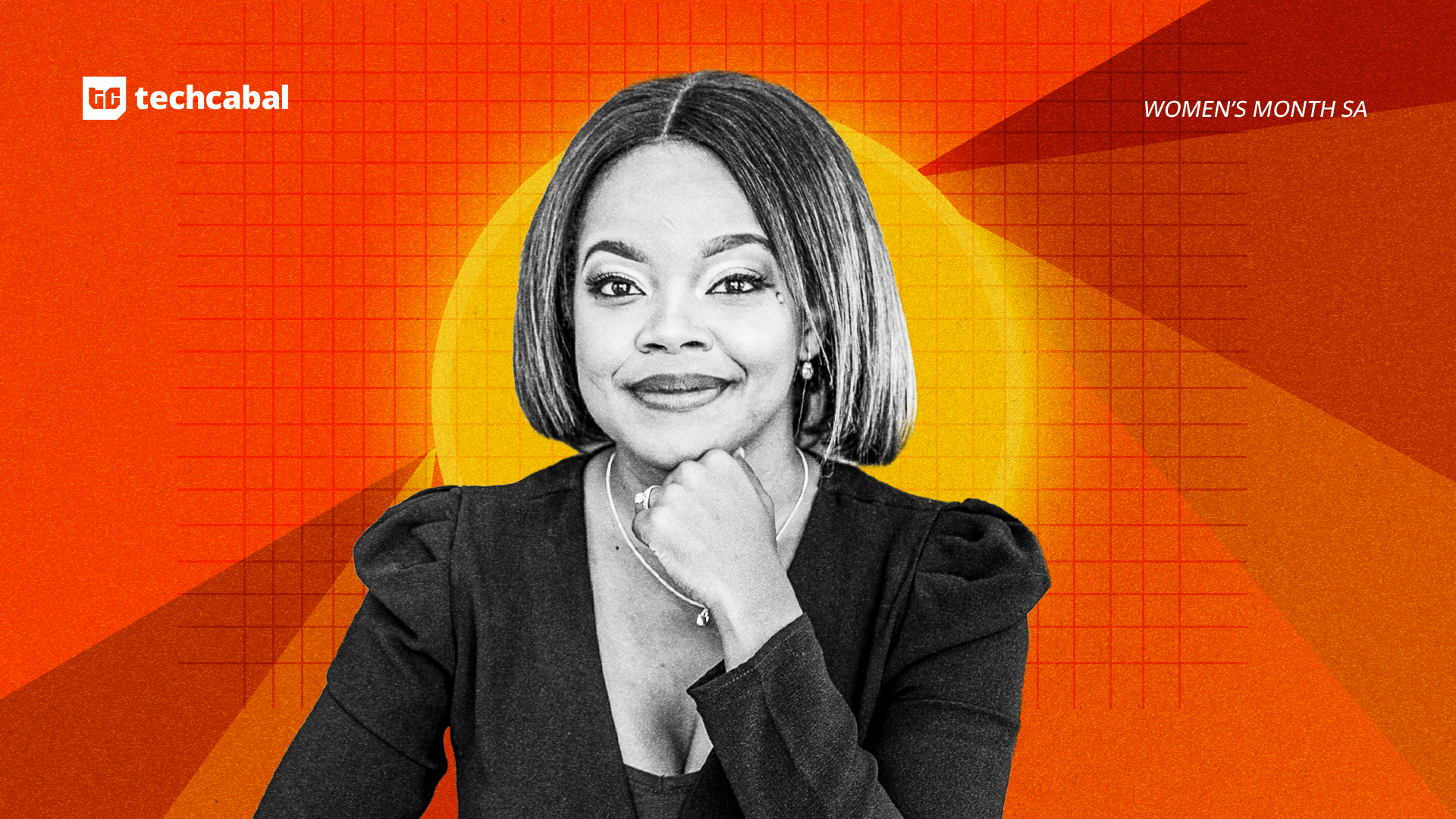
The first time she realised Zoie Health might be more than just a scrappy start-up, she was sitting in her kitchen, watching her laptop screen refresh as a new order came in. It was not from a friend trying to be supportive, or a cousin curious to see if the system worked. It was from a stranger; a woman she had never met, who had somehow found her fledgling company online, and placed an order for contraception.
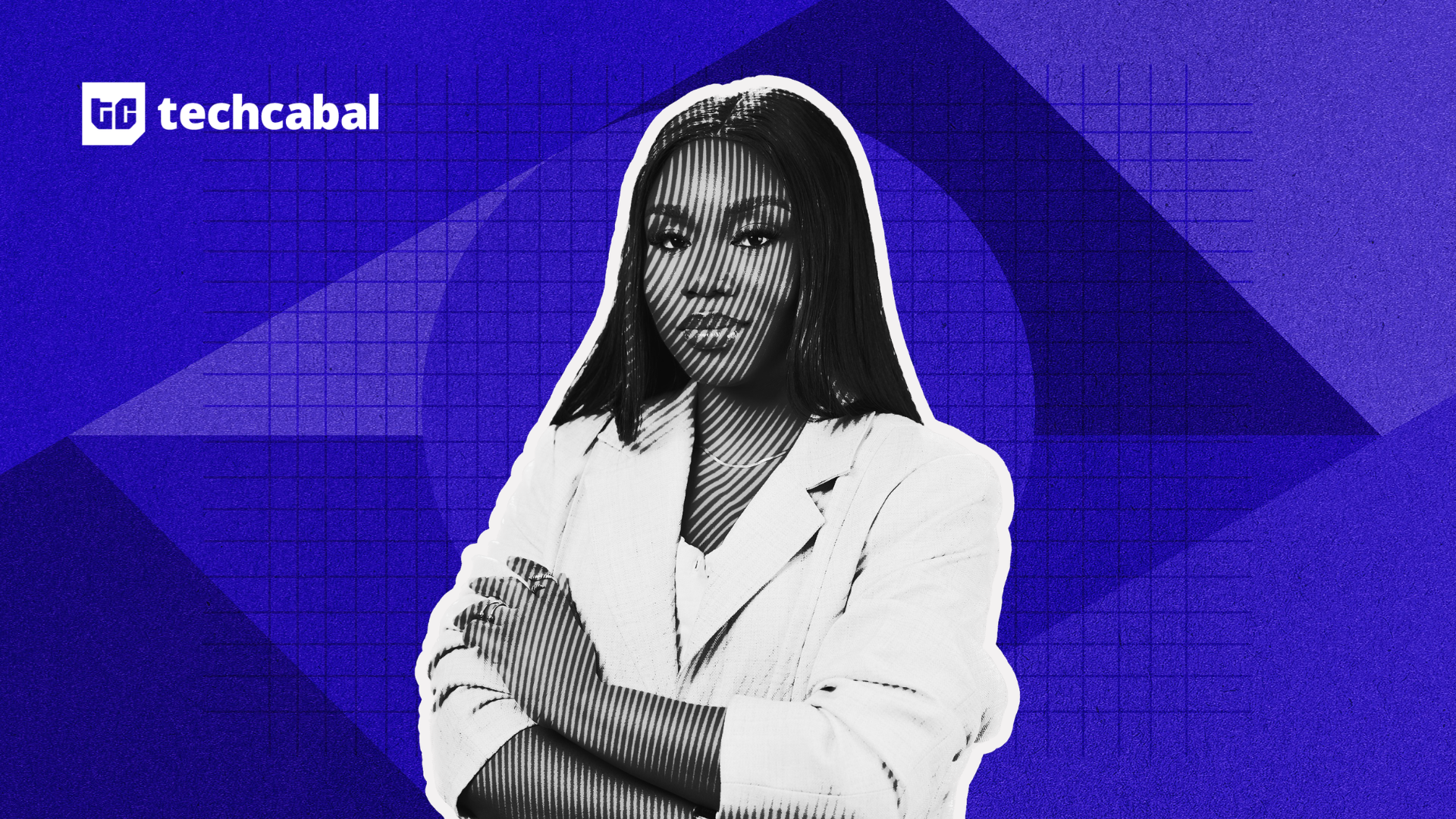
“The first time a stranger ordered contraception, I knew Zoie Health was not just a startup, it was a service women truly needed,” says Thato Schermer, Zoie Health’s co-founder.
Schermer’s journey into tech was not straightforward. She grew up in a family of healers: her mother and aunt are doctors, her grandmother a midwife, her sister studying medicine. Healthcare ran in the bloodline, but appeared to skip her when the time came. She went into management consulting and spent her early career shuttling between projects. In one of the projects, Schermer helped drive a major initiative to expand financial inclusion across Kenya. Through this project, Schermer witnessed the early rise of mobile money through M-Pesa. Seeing everyday people transfer cash with just their phones brought about a personal revelation.
“Technology has a way to really make an impact, not just on the African continent, but also in South Africa,” she says. “That’s what started my obsession with using it as a tool for social good.”.
Later, after years working inside South Africa’s healthcare giants—Discovery, Netcare, Life Healthcare—she noticed something missing. “There were innovations everywhere, but when it came to women’s health, no one was solving for us,” she recalls. At the time, she was navigating personal struggles—hormonal health issues—that exposed how even women with medical aid were left searching, underserved, and often unheard.
“Even with medical aid, I was shocked at how difficult it was to access affordable, quality women’s health care—that’s when I realised the huge opportunity to make an impact,” she says.
These struggles were not just her story. “I started speaking to friends, colleagues, women around me, and kept hearing the same thing. Accessing affordable, quality women’s healthcare was a nightmare.”
It was these stories and experiences that led to Zoie Health. The startup launched in 2021 first as a telemedicine platform where women could consult not just with doctors, but also with dieticians and mental health practitioners. The goal was holistic care, the kind of comprehensive attention women’s health really requires, but that traditional healthcare often fragments. In 2022, Zoie Health added MyContraceptive, a service that allowed women to consult doctors virtually, receive prescriptions digitally, and have their contraception delivered monthly to their doorstep.
“It was about dignity,” Schermer says. “Why should a woman have to spend a whole day at a clinic for something so basic, and then be told the medication is out of stock?”
In 2024, Zoie Health launched EasyDoc, a WhatsApp-based healthcare service designed for workers without medical aid. Schermer’s voice hardens with conviction when she describes EasyDoc. The service was born after pitching to a big company whose staff—mostly blue-collar workers, were missing shifts because they spent hours in public clinics. “They told me, ‘Forget the app. Our people can’t afford data.’ That was the wake-up call. We needed to meet people where they were.”
“We quickly realised that fancy app-based solutions do not work for normal people on the ground—so we built EasyDoc on WhatsApp, because that’s where 95% of South Africans already are,” says Schermer
EasyDoc is now expanding rapidly, giving employees in sectors like retail and hospitality access to primary care via their phones for as little as R50 a month. “For many, it’s their first time accessing private healthcare,” she says quietly. “That’s something I don’t take lightly.”
In 2023, Zoie Health secured a pharmacy license, landing its supplement line on Clicks shelves in May and Dis-Chem later in September.
“Clicks and Dis-Chem did not just want one of our products, they wanted six, stocked nationally. That was another moment I knew we were onto something real.”
But the wins do not erase the struggles. Raising capital as a woman founder remains uphill. Schermer has faced pivots that did not work—like a failed home-visit healthcare service—and moments of doubt where the temptation of a cushy corporate job tugged at her resolve. “There were days I thought, maybe I should just go back to wearing nice clothes and sitting in a boardroom,” she admits with a laugh.
What anchored Schermer was her support systems—her husband, who often reminded her not to quit when she wanted to; her parents, always willing to babysit when she needed to fly to Cape Town for a pitch; her circle of friends who knew her long before Zoie Health existed; and her faith. “Entrepreneurship is messy,” she reflects. “But prayer, exercise, even something like deep-sea diving, it keeps me centred. You cannot pour from an empty cup.”
As Zoie Health matures, Schermer has learned to make decisions differently. In the beginning, she moved with instinct—excited by ideas, eager to launch. Now, she listens first. “We do not build for ourselves anymore. We ask our users. What do you need? What will actually make a difference in your life?”
That shift has been transformative, not just for her company, but for her leadership. “Courage used to mean taking the leap, leaving my job. Now courage means listening, even when the data tells me my idea is not the right one. It means staying flexible, not being attached to how the solution looks, as long as we are solving the problem.”
Being a founder, particularly a woman in tech, Schermer believes it’s a marathon, not a sprint. “It takes longer than you think, it takes more from you than you expect. And that’s okay. What matters is enjoying the journey—celebrating the small milestones, having fun along the way.”
For the next generation, her advice is to be obsessed with the problem, not the product. “If you are obsessed with the problem you are solving, you will be agile enough to pivot. But if you’re only obsessed with your solution, you will get stuck.”
Schermer’s path in healthtech is deeply personal, often vulnerable. From her first anonymous order for contraception, to national shelves in Clicks, to WhatsApp messages pinging in from rural KwaZulu-Natal, each milestone is a quiet rebellion against a healthcare system that too often forgets women. And in those rebellions, she is carving a future where women’s health in South Africa is not an afterthought, but a priority.
Mark your calendars! Moonshot by TechCabal is back in Lagos on October 15–16! Join Africa’s top founders, creatives & tech leaders for 2 days of keynotes, mixers & future-forward ideas. Early bird tickets now 20% off—don’t snooze! moonshot.techcabal.com