


Blockchain technology and cryptocurrency have benefited from their inherent immunity to government regulation and interference in their proliferation across Africa. In fact, the decentralized nature of these technologies is arguably what makes them such interesting technology to apply to Africa’s unique systems.
As we showed before, African governments haven’t been the most receptive to cryptocurrency, so we thought to take a look at the continent’s most prominent blockchain activities to gauge how Africa is reacting to that technology. Here’s what we found:
South Africa
It’s all love and fiery interest between the government and private sector actors in South Africa. The government is experimenting with blockchain tech and it has already conducted tests in partnership with ConSensys, a US-based blockchain software company. There’s also a blockchain academy.
Kenya
For now, most of the use case focus areas are still centered around land registration and fighting corruption; general interests seem aligned on that. A standout example of blockchain use in Kenya is the Twiga Foods & IBM research partnership which involves granting microcredit loans to retailers by leveraging blockchain tech to track certain metrics. There’s also a Kenyan blockchain association.
Nigeria
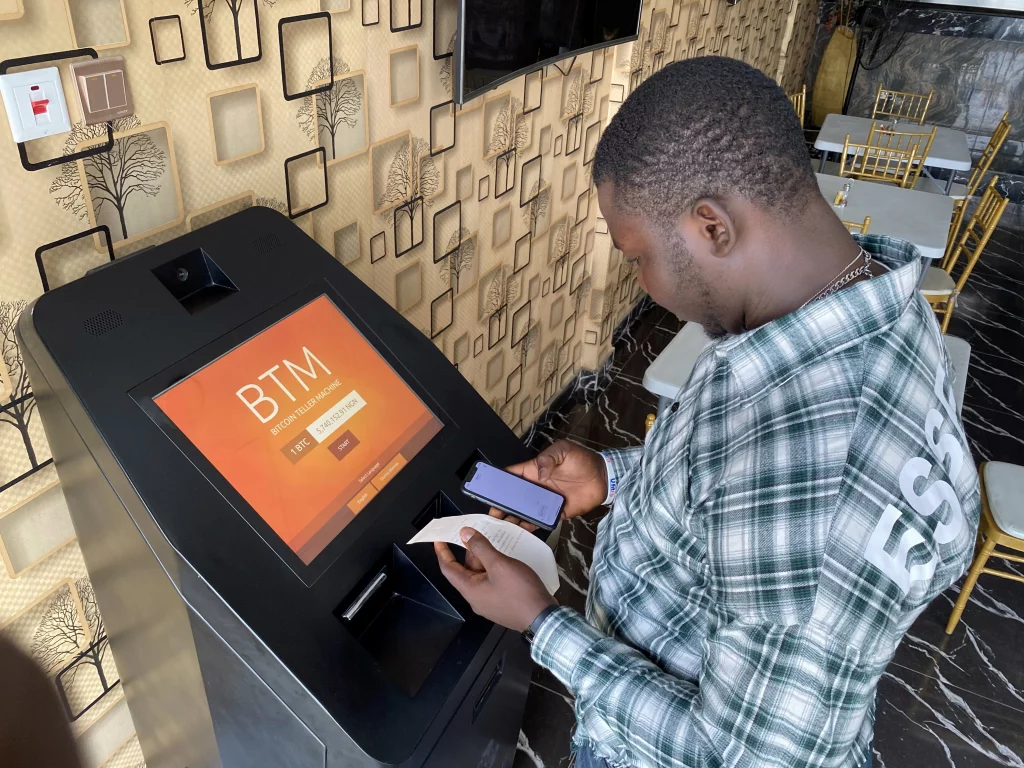
While cryptocurrency activity has arguably been on the uptake in Nigeria, there seems to be skeptical interest in blockchain technology with a couple of associations and groups dotting the landscape. Not a lot happening here.
Egypt
Egypt’s Central bank has joined R3, a leading consortium of blockchain banking institutions, so its safe to say there is interest from a regulatory perspective. There doesn’t seem to be a lot of activity in the private sector although the country’s first blockchain-focused incubation Hub launched in April.
Rwanda
Through a partnership with WiseKey, a cybersecurity and IoT solutions firm based in Switzerland, and Microsoft, Rwanda’s land registry will be digitised using WiseKey’s WiseID apps and Microsoft’s Azure cloud. WiseKey also plans to open a Blockchain Center of Excellence in Kigali.
Ghana
Although it seems to have gone relatively quiet now, Ghana was abuzz with blockchain fever in 2016 & 2017. Bitland and Land Layby Holdings are two Ghanaian companies that have announced (Bitland actually started a pilot test in Kumasi) plans to digitise Ghana’s land registry using blockchain technology.
Botswana
Thanks to people like Alakanani Itireleng, Founder of the Satoshi Center, Botswana’s only blockchain hub, the technology has some kind of footing in the Southern African country. The Satoshi Center has an interesting startup in its incubation program called Plaas (pdf), a mobile platform that enables individual farmers or co-operatives to manage daily production and stock on the blockchain system.
Mauritius
The island nations’ government has created a Regulatory Sandbox License (RSL) that allows investors come in to the country and develop their blockchain-based solutions under the supervision of the Board of Investment of Mauritius. This has spurred foreign investment activity – there are currently about six startups with sandbox licenses in Mauritius. There is also prominent private sector activity with the country’s largest bank (by market share) State Bank of Mauritius currently accepting blockchain assets as collateral for loans.
Broadly speaking, blockchain technology is yet to hit mainstream consciousness here in Africa (compared to innovations in fintech, or health tech, for example). That doesn’t rule out experimentation, which is where Africa is at, and it will be interesting to see what we make of this technology in the years to come.