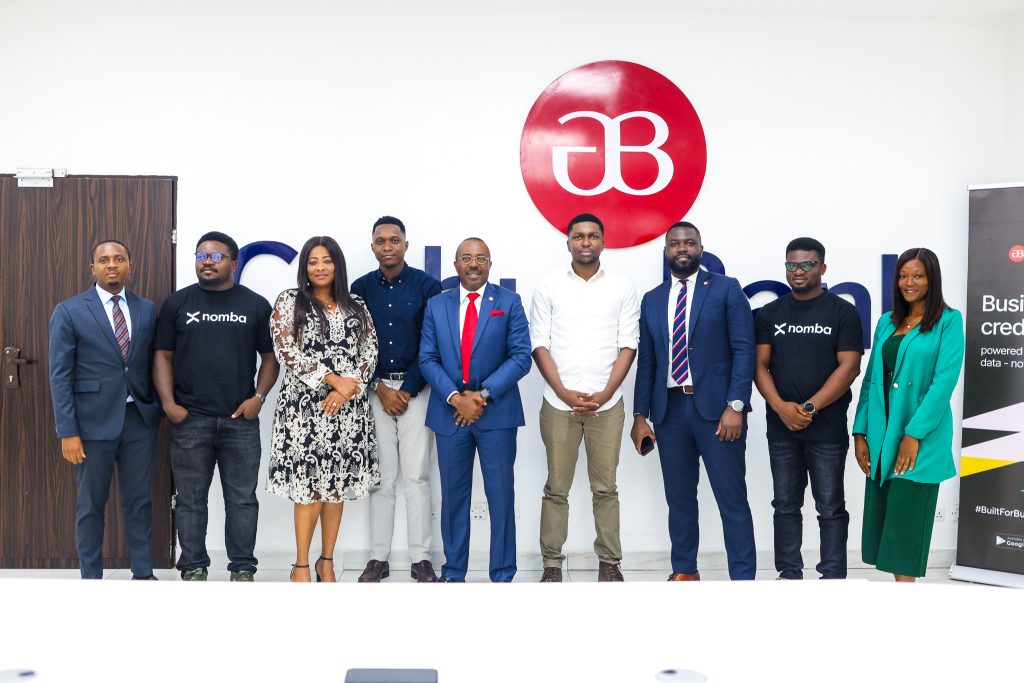
Releaf, an agritech startup disrupting Africa’s oil production industry, has secured $3.3 million pre-Series A funding. The funding round, which the startup says was oversubscribed, will support the roll-out of key technologies that could further drive the development and sophistication of Africa’s crude oil processing techniques, and possibly lead to the much-needed increase in vegetable oil production on the continent.
When Ikenna Nzewi and Uzoma Ayogu, Americans of Nigerian descent, started Releaf in 2017, they had a mission to improve Africa’s food security while building a successful agritech company. This mission pushed them into Y Combinator, a global accelerator programme that helps promising startups with funding, network, and business model advice. But after graduating from YC, Releaf’s business model was not clear to most, as their offerings varied from an aggregator marketplace for agricultural produce to trade finance solutions.
Eventually, the startup’s founders found their way to Nigeria, their country of origin and the largest producer of oil palm in Africa. Compelled to find solutions to key problems in Nigeria’s agriculture and food processing sector, Nzewi and Ayogu toured 20 out of Nigeria’s 36 states, seeking gaps Releaf could fill with technology and optimised practices. They finally found their gold spot: Nigeria’s under-optimised $3 billion oil palm industry, which was producing at a demand deficit of about 60%
“We took a much more broad approach to what the solution would be, but we really wanted to decide on a specific crop to work in. And we found that opportunity in the oil palm sector,” Nzewi said to TechCrunch in an interview two years ago.
Over four million smallholder farmers in Nigeria drive 80% of the production of oil palm in Nigeria’s fragmented market. These farmers are mostly faced with two major problems: They are unable to transport their harvested produce to distant processing factories, and they lack modern equipment to efficiently process it themselves. This is where Releaf comes in, providing a chain of well-equipped processing factories that farmers can easily access. Releaf buys the nuts from the farmers, uses its proprietary deshelling technology, Kraken, to process the nuts at high efficiency (85% more than the industry standard), then sells the processed oil to manufacturers and FMCG processors.
Releaf turned heads in 2021 when it raised $4.2 million in its seed round: $2.7 million from investors and $1.5 million in grants. Then, Nzewi said the funds would be used to develop technology and deploy financing for smallholder farmers in Nigeria. According to a statement sent to TechCabal, this new raise will support the launch of two key technologies for Releaf—Kraken II and SITE.
Kraken II is a mobile and lower-cost version of Releaf’s Kraken. The company claims Kraken II functions as efficiently as its static predecessor, with the advantage of easy transportation to high-density farming areas.
“Kraken II is going to be a game changer for us. With portable de-shellers, we can multiply the number of farmers we work with, and even offer them better prices because we’d have saved money from logistics,” co-founder Nzewi said to me over a call.
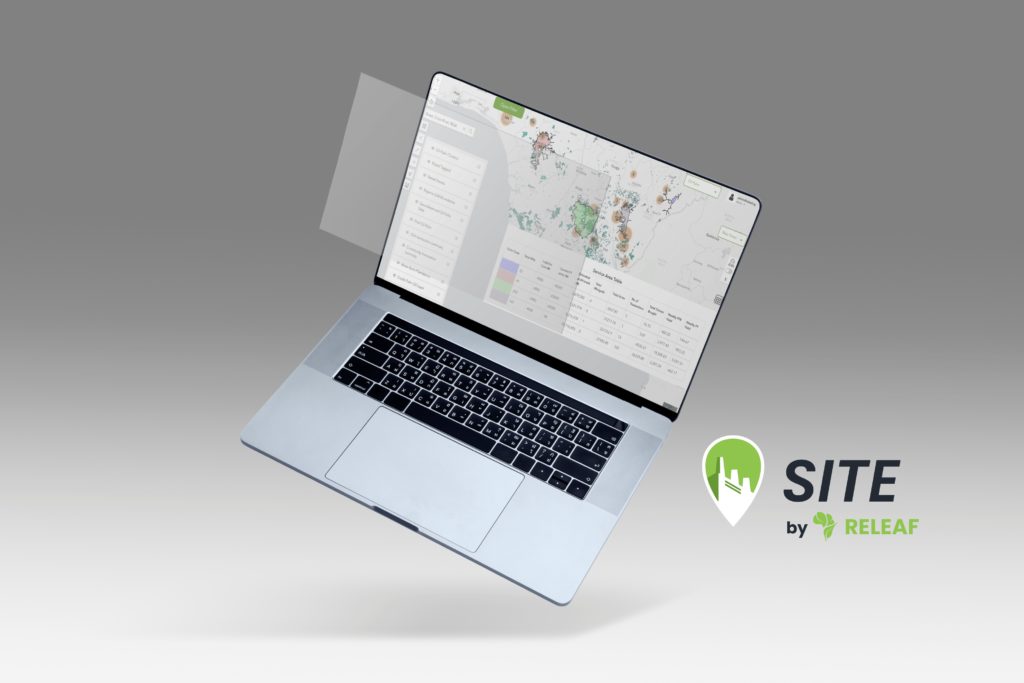
SITE, on the other hand, is a geospatial mapping application that decodes the most profitable positioning for farms and agro–processing plants. SITE was developed in collaboration with Stanford University’s Professor David Lobell, a MacArthur Fellow, and director of the Centre on Food Security and the Environment, whose team refined the age identification process for oil palm trees in Nigeria.
According to Nzewi, Releaf built SITE as an internal software for positioning Kraken factories—after some consulted geospatial mapping companies failed to provide them with the depth of analysis they needed. “We decided to build it ourselves,” he said. ”After all, we operated in these markets and had the right skills match. Although we presently use SITE at Releaf to tell us where next to go, we are building SITE as a crop-agnostic product.”
Releaf believes the combination of Kraken II and SITE will enable it—and other startups that plug in—to target optimal opportunities across Nigeria’s oil palm belt rather than being limited to sourcing crops within 100 kilometers of a fixed processing site
“SITE and Kraken II are the next steps in our plan to fundamentally transform the efficiency of agricultural supply chains in Africa and we are excited to have partnered with an exceptional cohort of investors and collaborators to roll out these technologies. To make food supply chains profitable, we must maximise extraction yields with leading processing technology and minimise logistics costs by bringing processing capacity closer to farmers,” Ayogu, Releaf’s co-founder, said in the statement.
“Before Releaf, stakeholders had to choose between one or the other. Large factories had great technology but were far away, leaving most farmers with rudimentary technology to process their crops. We’re now able to maximise both,” he added.
The $3.3 million funding round was led by returning investor Samurai Incubate Africa, with participation from Consonance Investment Managers, Stephen Pagliuca (chairman of Bain Capital) and Jeff Ubben (board member at World Wildlife Fund and founder of Inclusive Capital Partners).
Rena Yoneyama, managing partner at Samurai Incubate Africa, expressed excitement to continue investing in Releaf’s ambitious plans, maintaining positivity in the market success of Kraken II and SITE.
“Releaf’s success with its pilot Kraken validates its thesis, and we are excited to continue supporting their ambitious vision to create efficient supply chains within Africa’s agricultural market. They have added key members to their management team and continue to impress us with their rapid commercial growth and technological development. We look forward to more of the same success as the team rolls out Kraken II and SITE.”
Stanford University’s Professor David Lobell contributed: “I enjoyed working with Releaf and using our tree height algorithm to establish the correlation between oil palm age and height to help farmers to get a better understanding of their future yields and make better data-driven decisions on sustainable replanting. There is a great opportunity to unlock Africa’s unique agricultural potential by leveraging remote sensing solutions, and I believe this partnership will be a catalyst.”
Africa will represent 40% of the human population by the end of the 21st century, and the FMCG market will emerge as one of its globally relevant industries. Releaf is positioning itself as a catalyst for this industrialisation while ensuring inclusive success for agricultural stakeholders continent-wide.
Over the next few years, Releaf plans to build its own refinery for oil palm. With a refinery, the startup can process vegetable oil fit for direct consumption. “When we achieve this,“ Nzewi tells me, “We can 10X our revenue and sell to a much wider market while benefitting from huge economies of scale.”