

A new report from Flourish Ventures shows that while African founders love their jobs, many say that it has negatively impacted their mental well-being.
While African founders are passionate about their entrepreneurial journeys, factors outside their control, such as fundraising challenges and Africa’s volatile macroeconomic conditions, are taking a significant toll on their mental well-being, a new report from Flourish Ventures shows.
The report, based on responses from over 160 founders across 13 African countries, shows that more than 80% of respondents struggle with mental well-being issues. Among them, 60% report experiencing anxiety, 58% high stress, 52% exhaustion, and 20% depression. Even founders of startups identified as “thriving” are not immune—over 70% of them also reported mental well-being challenges.
“Prioritising founder wellbeing not only has a positive impact on founders’ lives but also on the long-term success of their businesses,” said Ameya Upadhyay, a venture partner at Flourish Ventures. “Our hope is that by sharing these early learnings, we can foster a broader conversation about how to support founders, both in Africa and globally.”
Despite these challenges, 81% of African founders remain passionate about their entrepreneurial paths. However, they cited several key stressors affecting their mental well-being, with fundraising (59%), inflation (44%), and navigating economic instability (40%) at the forefront.
Almost half of the founders surveyed asked investors to curb unrealistic demands and want investors to recognize them as individuals rather than merely contributors to financial returns.
“The external stressors—factors largely outside our control—are big contributors tostress and burnout for most entrepreneurs. As an investor, I try to help my founders focus on what they can control and let go of what they cannot,” Iyin Aboyeji, founding partner at Future Africa, said.
To cope with these pressures, many founders turn to exercise (59%), relationships (49%), sleep (45%), and healthy eating (42%). The report found that founders with strong personal support networks experienced 13% higher well-being compared to those with weaker networks.
However, despite the benefits of open communication, only 14% of founders feel comfortable discussing their mental well-being struggles. This reluctance is driven primarily by fears of judgment and a lack of empathy from investors.
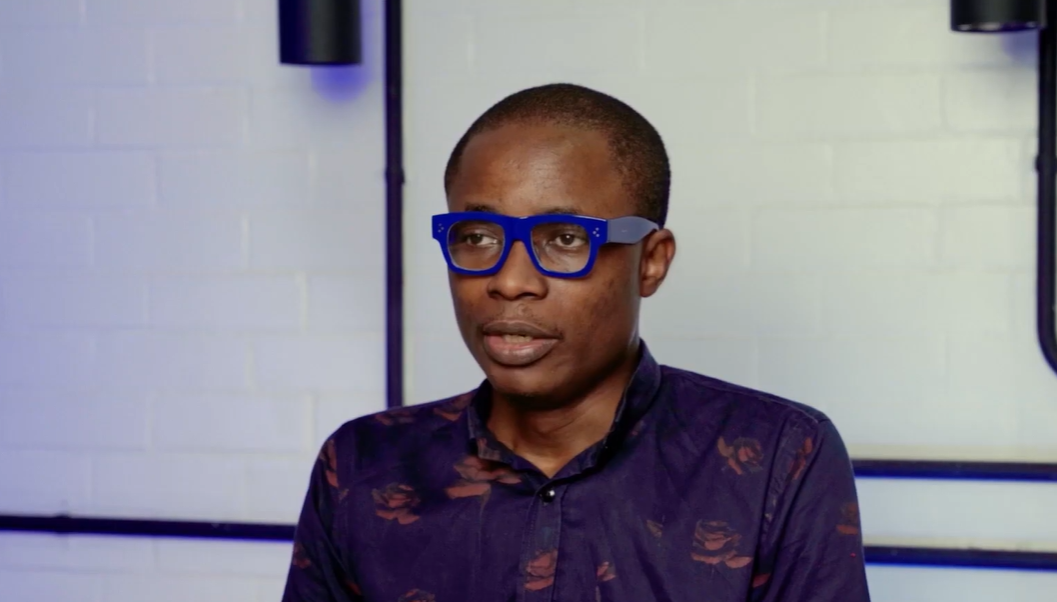
“Founder stress and burnout are pervasive, yet founders are remarkably resilient,” said Efayomi Carr. He emphasized the importance of reshaping investor-founder relationships, advocating for greater transparency, realistic expectations, and a human-centered approach on a call with TechCabal.
He added that a focus on founder wellbeing is not just ethical but also essential to business success, as a founder’s mental resilience directly impacts their company’s growth and sustainability.
“Data is powerful, but it’s just the beginning of a conversation,” said Carr. “We hope this research sparks a dialogue between founders and funders on building a stronger ecosystem that ensures success for everyone involved.”