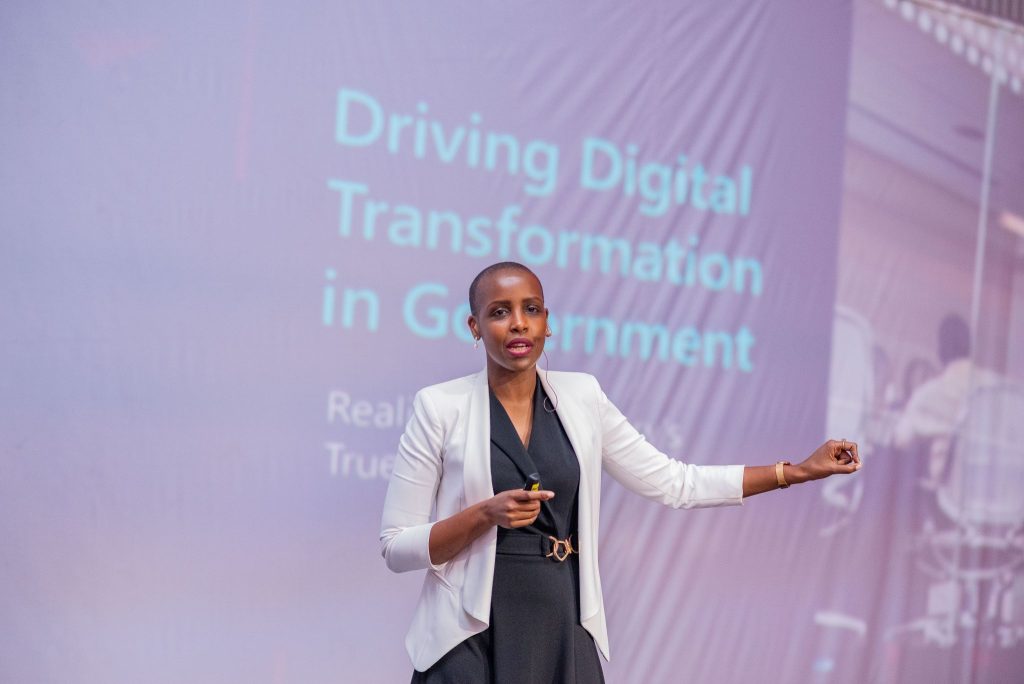
From managing multimillion-pound client portfolios to shaping scalable tech solutions in Nigeria. Jide Thorpe has built a career defined by impact, adaptability, and strategic vision. With a solid foundation in financial services and an MBA from a top UK university, Jide has seamlessly transitioned into the world of product management, driving user growth, streamlining digital experiences, and fostering inclusive innovation in fintech, tech logistics, and education. He has recently been recognised as a promising star in Nigeria and Africa by Nigeria Technology Awards (NiTA) and Focus Africa. As a mentor to other aspiring product managers, a STEM innovation judge, and a community volunteer, he exemplifies what it means to lead with purpose and give back. In this conversation, we explore his journey, the lessons that shaped his rise, and his vision for solving financial inclusion and e-commerce challenges through technology.
Tell us about your journey into tech and product management.
I started out as a relationship officer in financial services, managing a large portfolio of clients and facilitating transactions worth over $2 million at Access Bank. That experience sharpened my skills in stakeholder management, data analysis, and client-centricity—all of which laid the foundation for my move into product management.
My transition into tech began when I joined Quickbucks by Access Bank Plc, a standalone (different from the Bank’s regular operations, which is available to customers and non-customers of the bank) digital platform where individuals and businesses can access quick credit from initiation to disbursement from the comfort of their mobile device. My tenure marked significant achievements, and I am proud to say that I was instrumental in its early successes. I led the development of a payment system roadmap, focusing on the use of open banking technologies to streamline subscription and repayment procedures.
I later moved to FastRyders, a logistics tech startup, designed to help small businesses meet their logistics needs, so that they can focus on what matters most, making money! At the time I joined, it was in its early developmental stage, and like most startups, there were issues with getting customers on the App. I led product initiatives that helped the company serve 200+ businesses and complete over 87,000 orders. That journey deepened my belief in building scalable, data-driven solutions that directly impact people’s lives.
What accomplishment are you most proud of as a product manager?
At QuickBucks, I redesigned the Small Ticket Loan system, using user research and A/B testing to streamline the loan disbursement journey. That led to an increase in loan volume from 3 to 1,568 cases, with a disbursed value of ₦3.5 billion ($1.4 million).
At FastRyders, I’m also proud of leading a turnaround in user retention. By identifying drop-off points in our booking funnel and launching a “30% off all delivery orders” campaign, we increased sign-ups by 44% and improved retention by over 50%, helping to drive over 87K completed orders.
How do you approach understanding user needs and building products that resonate?
I believe in combining empathy with data. At FastRyders, I worked closely with our engineering team to identify friction points using analytics and then validated hypotheses through A/B testing and feedback loops. We found that our biggest drop-off was during the booking phase, so we improved that flow, leading to a 50% increase in booking conversion.
More importantly, we launched rider partnerships and business-focused delivery models that helped us onboard over 200 businesses, all while ensuring both customers and delivery partners were getting real value.
During my short stint at the University of Derby, I applied the same mindset. I contributed to the launch of the Student Hub, a centralised hub for student services, an initiative designed to streamline support processes, and implemented an attendance monitoring app that enabled early identification of at-risk students. This allowed for timely interventions, which helped reduce dropout rates and improved student outcomes—an example of how I use technology to enhance operational efficiency and user experience.
What’s your take on balancing innovation with regulatory compliance, especially in fintech?
You can innovate without breaking the rules. At QuickBucks, I drove initiatives to integrate with platforms like Paystack and Flutterwave, ensuring full compliance while dramatically improving user experience. It’s a necessary balance and something I’ve tackled both academically and professionally. My MBA coursework in Risk Management in Global Contexts gave me a framework for thinking through this. It’s all about bringing regulators along the journey and ensuring that compliance enhances trust rather than slows innovation.
How do you lead cross-functional teams or influence stakeholders?
I lead with outcomes and clarity. Whether working with engineers, marketers, or senior stakeholders, I tie every product decision to a measurable goal. At FastRyders, I got leadership buy-in for a major marketing campaign by modeling its projected impact on user growth, and it paid off with a 50% growth in customer base.
At QuickBucks, I worked across departments to align technical and business priorities, ensuring our integrations delivered real ROI and customer value.
What tech trends or innovations are you currently excited about?
I’m really excited about embedded finance and the growing possibilities with open banking, especially across African markets. These technologies unlock new business models and improve access to credit and payments, something I’ve already worked on at QuickBucks.
I’m also exploring how AI can enhance service delivery in tech logistics and fintech, from smarter fraud detection to proactive customer support. With over 87,000 FastRyders orders completed, there’s a massive opportunity in using that data to personalise and optimise future user experiences.
We heard you received some very important awards and mentions lately.
Yes, I feel excited that my hard work is starting to pay off. I feel honoured to have been recognised and found worthy at the Nigeria Technology Awards (NiTA) that held recently. I was also recognised internationally by Focus Africa as one of the emerging talents in Africa.
Looking ahead, what’s next for you, and what kind of impact do you hope to make?
Looking ahead, I’m focused on using my skills to drive impact internationally in the fintech and ecommerce ecosystem, particularly in tackling financial inclusion. Even in developed countries, despite their advanced infrastructure, they still have millions of adults who remain unbanked or underserved. These challenges offer meaningful opportunities for fintechs to build accessible and affordable solutions. To prepare for this, I have started pursuing international certifications, which will equip me with a strong grasp of global financial ethics and regulations. Combined with my experience building scalable financial products in Nigeria, I’m confident in my ability to help shape solutions that align with regulation and real user needs.
Beyond my professional roles, I’ve remained deeply committed to mentorship and community impact. I am mentoring tech bros and sis’ through Ydev Academy, helping many launch projects to secure funding. I was also honored to serve as a judge at the Pioneer STEM Show Innovation Day in partnership with Microsoft, where I reviewed 400+ innovative products, leading to £12,000 in funding awarded to two founders. I received an award for outstanding leadership for these contributions.
Most recently, I volunteered for the Department for Work and Pensions’ Movement into Work program, helping young people build employability skills. These efforts reflect my belief in tech as a tool for equity and empowerment, and I look forward to continuing this work on a more regular basis.