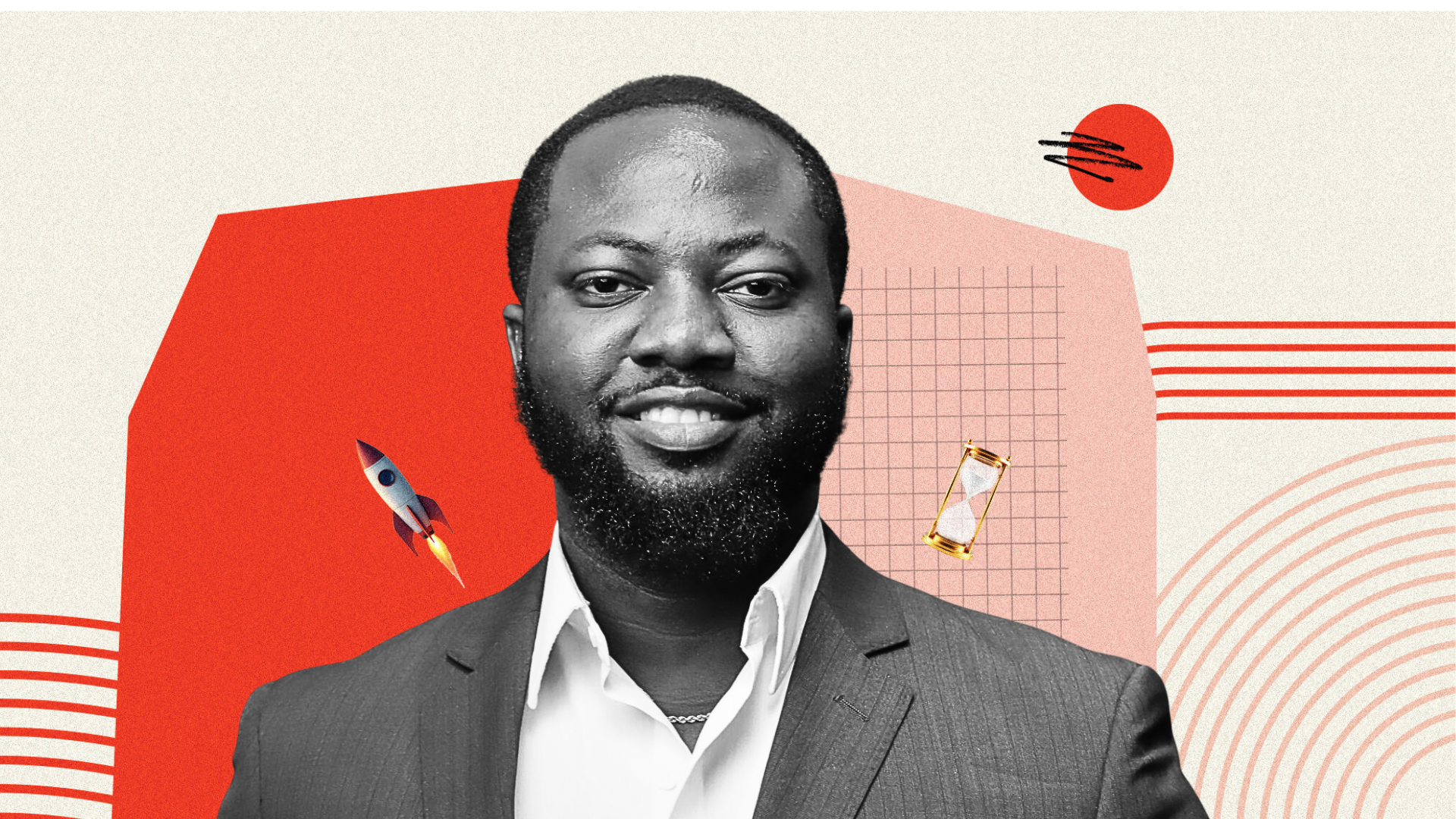


Gift Edah is the Founder and Creative Lead at Rayvolution Media, shaping visual storytelling and entertainment technology across Africa.

Gift Edah
In the last decade, Artificial Intelligence (AI) has evolved from a sci-fi spectacle into a very real, transformative force reshaping industries across the globe. While most conversations have traditionally centered on Silicon Valley, Beijing or our very own Yaba Valley, a new narrative is emerging, one that belongs to Africa. From Lagos to Nairobi, Accra to Cape Town, a wave of AI-powered startups is rising, not just to follow trends, but to solve local challenges in uniquely African ways.
For those of us at Rayvolution Creative Technology Co. (Rayvolution Media) working at the intersection of creativity, multimedia, and technology, this movement is more than a digital disruption. It’s a cultural reawakening. It’s the birth of a visual, interactive, intelligent future where machine learning meets storytelling, immersive design meets grassroots innovation, and code meets culture.
Africa’s AI Moment: When Technology Becomes Tangible
Across Africa, AI is not just about automation or data; it’s about accessibility, opportunity, and empowerment. As a Creative Multimedia Technologist, I’ve seen firsthand how visual AI, generative models, and intelligent systems are being embedded into the creative process. From motion graphics design and animation to voice cloning, visual narration, and interactive storytelling.
Nigeria, Kenya, South Africa, Ghana, Rwanda, and Egypt are all nurturing ecosystems where AI is not only powering fintech and healthtech but transforming the very canvas of content creation, user experiences, and communication.
Startups are tapping into this potential with speed and audacity. The freedom to iterate, experiment, and design with purpose makes early-stage founders natural candidates to embed AI, whether it’s for real-time analytical insights or generative visuals for education and training.
Redefining AI Through Creative Lenses
What exactly is AI in this African context? It’s not some monolithic black box or glossy Hollywood robot.
It is, however;
- A smart voice engine that allows a farmer in Ethiopia to receive weather alerts in their native language.
- A visual recognition app that helps fashion creators identify patterns and textures in fabric to inspire new collections.
- A generative storytelling model that lets children with learning disabilities experience books in voice, animation, and braille-compatible interfaces.
- A video content platform that uses predictive engagement analysis to help digital creators optimise storytelling styles.
In the world of creative multimedia, AI doesn’t just compute, it collaborates. We are in an era where we have to get comfortable with it as a co-creator.
AI Startups Pioneering Impact Across Africa
Let’s highlight just a few groundbreaking players that show the continent’s creative and technological dexterity:
- Kudi.ai (Nigeria) – A conversational chatbot that simplifies mobile finance. For content creators, this demonstrates the power of narrative interfaces, where UX is shaped by tone, language, and human-centered design.
- Vinsighte (Nigeria) – AI tools that aid individuals with dyslexia and visual impairments. It’s a masterclass in inclusive multimedia design, reminding us that stories must be seen and heard.
- Data Science Nigeria (DSN) – Beyond AI evangelism, DSN is training a generation of digital builders. Their integration of data, design, and practical deployment is nurturing a new breed of creative technologists.
- Utu Technologies (Kenya) – A trust-based recommendation engine redefining how we experience online services. Trust, after all, is the foundation of design; visual, interactive, or AI-driven.
- Zindi (South Africa) – A platform that gamifies AI development through open challenges, empowering young developers and designers alike to solve pressing local problems.
- 54gene (Nigeria) – By integrating genomics and AI, 54gene isn’t just improving African healthcare; it’s building visual and data platforms that contextualise African identity in medicine.
Why Now? The Convergence of Tech, Culture, and Creativity
- A Digital Native Generation: With over 70% of Africans under 30, the continent is home to a generation born into mobile phones, streaming culture, and open-source creativity.
- Affordable Toolkits for Creators: With tools like RunwayML, Midjourney, D-ID, and ElevenLabs, AI has entered the design studio, the film set, and the YouTube timeline. African creatives are not just consumers; they’re remixing and redefining these tools.
- Innovation Hubs & Funding Ecosystems: From Cape Town’s Silicon Cape to Lagos’ Yaba Valley and Kigali’s innovation corridor, pan-African support networks are enabling collaborations between coders, designers, filmmakers, and AI engineers.
- Cross-disciplinary Learning: The new creator is not just a graphic designer or editor. They are data-aware, tech-empowered, and culturally rooted. AI is giving them a new paintbrush.
Key Industries Fueling Africa’s AI Story
Creative Media & Storytelling: African creators are using AI for:
- Generative visuals for children’s books and films
- AI-powered avatars and character voices
- Real-time translation and voice dubbing
- Algorithmic music and sound design
- Personalised learning via adaptive video
Agriculture: AI-powered satellite imaging and sensor data are being translated into interactive dashboards and mobile UIs for farmers, built with visual simplicity in mind.
Healthcare: Tools like Healthtracka (Nigeria) and Zipline’s drone-based delivery (Rwanda) are leveraging AI for predictive health, but also rely heavily on visual design for adoption, evidence that interface matters as much as intelligence.
Education: Edtech players like Ulesson, M-Shule (Kenya), and Edves are crafting adaptive visual content, AI tutoring bots, and personalised gamified platforms.
Finance & Inclusion: Carbon, Kuda, Flutterwave, and Moniepoint are leveraging machine learning to automate risk assessment, but also using AI-driven design to improve mobile experience, navigation, and customer support across languages and devices.
The Real Roadblocks: More Than Just Data or Power
From a multimedia technology lens, the challenges aren’t just infrastructure or data; they’re ethical storytelling, inclusive design, and technological literacy:
- Poor Design Standards: Too many AI products in Africa are built with copy-paste UX from the West. We need visual languages and interfaces tailored to our cultures, devices, and behaviours.
- Token AI: Some startups slap “AI” on their pitch decks, but deliver minimal intelligence. This damages public trust and creates a hype bubble.
- Creative Silos: Designers and technologists are still too siloed. The future belongs to interdisciplinary makers, where a product manager, motion designer, and AI engineer build together.
Africa’s AI Future: A Canvas Yet to Be Fully Painted
From Nairobi’s motion designers to Dakar’s 3D animators, Africa’s creative technologists are waking up to new modes of expression. AI doesn’t replace creativity, it refuels it. It enables the shy kid in Kaduna who took part in the Engage Nigeria, Skill Sprint Training, powered by Google.org, to create Pixar-style stories. It allows a deaf student in Zambia to access voice-based content as readable text. It transforms video editing into a conversation, not a timeline.
Governments are beginning to recognise this. Nigeria’s Startup Act, Ghana’s digital innovation policy, and Rwanda’s AI strategy are all signs of commitment. But for AI to truly thrive in Africa, we must build it with our voices, visions, and values.
Final Thoughts: From Code to Culture
Africa’s rise in AI is not just about venture capital or Python scripts; it’s about reclaiming our narratives. It’s about enabling a continent of young creators to tell their stories, solve their problems, and design their futures using the world’s most powerful tools.
The hype is real. So is the talent. So is the creative fire. And in this grand remix of technology and tradition, Africa isn’t just participating in the AI revolution, it’s rewriting its future one prompt at a time
A United Future: Man, Machine, and Mission
When the African mind, code, and machine unite, something extraordinary happens. We don’t just build platforms; we form a cultural consortium as powerful and cohesive as Voltron, the Defender of the Universe. Each discipline, design, engineering, storytelling, ethics, and science, serves as a lion, coming together in perfect synchronicity.
Together, we can defend, preserve, and propagate the richness of African heritage, using AI not as a tool of replication but as a canvas for transgenerational impact. From oral traditions encoded in neural networks to augmented history lessons in classrooms, we have the power to ensure that African innovation doesn’t just catch up to the world, it leads it.
This is not science fiction. This is our shared creative mission. The time is now. The code is written. The canvas is open. Let the renaissance begin.
I leave you with an interesting example, the result of a research experiment with some AI tools by one of our technology consultants and partners at Rayvolution Media, Toba Obaniyi, who started a sci-fi-based series on YouTube called “The Gifted”. It is a sneak peek into how the African Story could be expressed using prompts and codes.
___
Feel free to connect with him on LinkedIn.