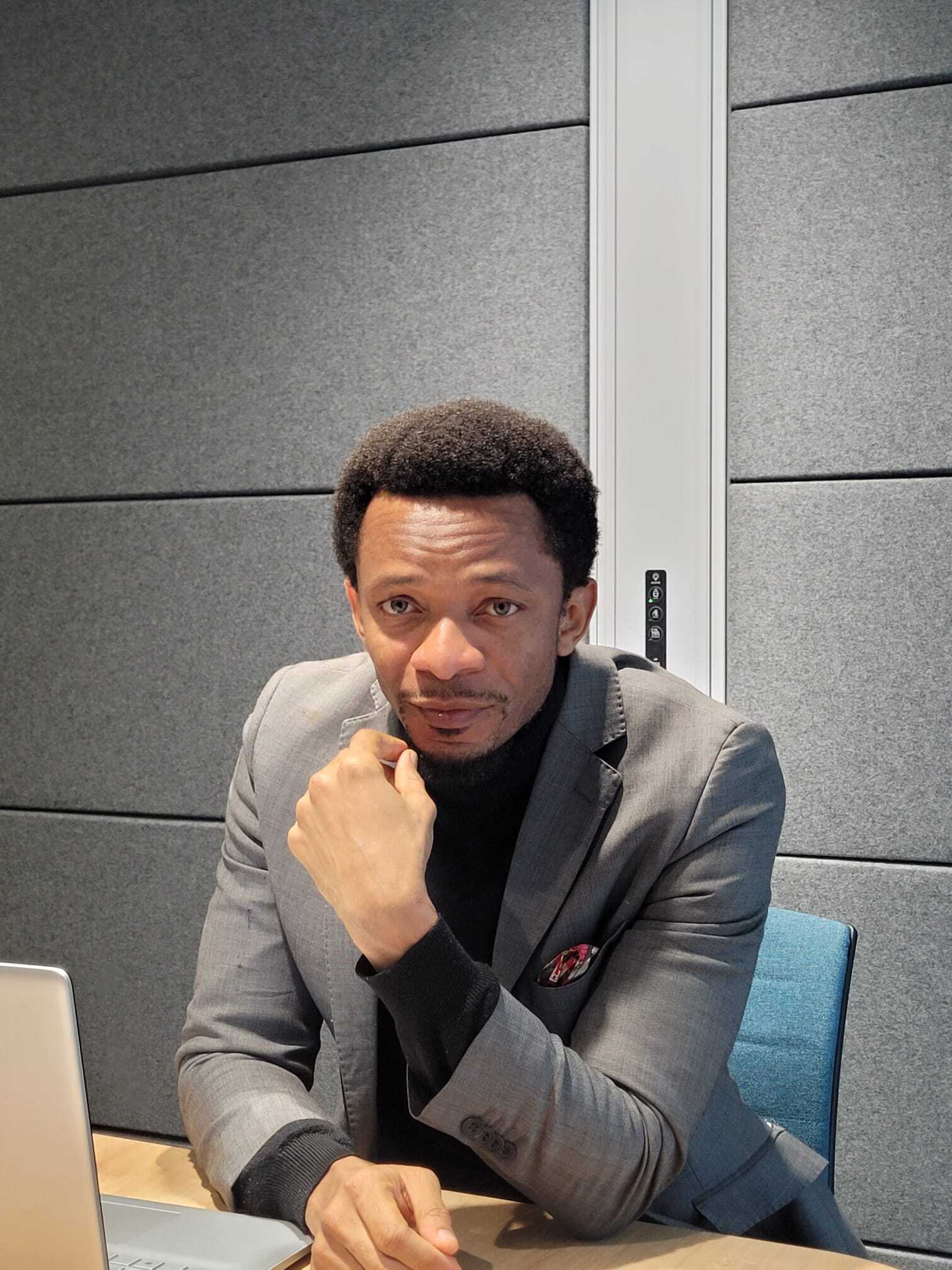
In the heart of Nigeria’s tech ecosystem, stories of innovation often emerge from unlikely beginnings. For David Olaka Onwuka, the 2025 Tech Innovation Leader of the Year at the Africa Beacon of ICT Awards (BoICT) presented by Nigeria Communications Week, that beginning was a single, worn-out laptop during his National Youth Service Corps (NYSC) in Bayelsa State. Amid high unemployment and daily hardships, David went door-to-door offering IT repairs to families, schools, and small businesses. Rejections were common, but the moments of success—watching a trader’s operations speed up or a family’s connectivity restored—ignited a passion that would define his career: the belief that technology, paired with entrepreneurship, can create wealth, generate jobs, and transform economies.

David’s entrepreneurial drive took root even earlier. As a teenager, he served as president of the Junior Engineers, Technicians, and Scientists (JETS) Club, leading a team to victory in national STAN Science and Technology competition. Competing against international delegates, including from the UK, with limited resources, taught him a core lesson: Innovation thrives on creativity, not capital. “We didn’t have fancy tools,” David recalls, “but we proved value through determination.” This philosophy—start small, scale big—has guided his ventures, where he sees AI, eCommerce, and entrepreneurship as engines for economic growth. In Nigeria, with its 42% youth unemployment rate, David believes these tools can unlock opportunities, turning ideas into jobs and fostering prosperity. Globally, they bridge gaps, creating wealth by democratizing access to markets and efficiency.

That same resilience propelled David into corporate innovation. At Shell’s Gbaran facility, one of sub-Saharan Africa’s largest energy assets, he led the Smart Connect Remote Gas Turbine Project. Collaborating with Siemens and Emerson, he introduced AI-driven sensors and remote systems, resulting in significant improvements in production, revenue, and operational efficiency, along with a flawless safety record over an extended period. The project not only supported Nigeria’s energy-driven GDP but also highlighted AI’s role in optimizing operations and advancing net zero goals—reducing costs and emissions while safeguarding jobs in a volatile sector.
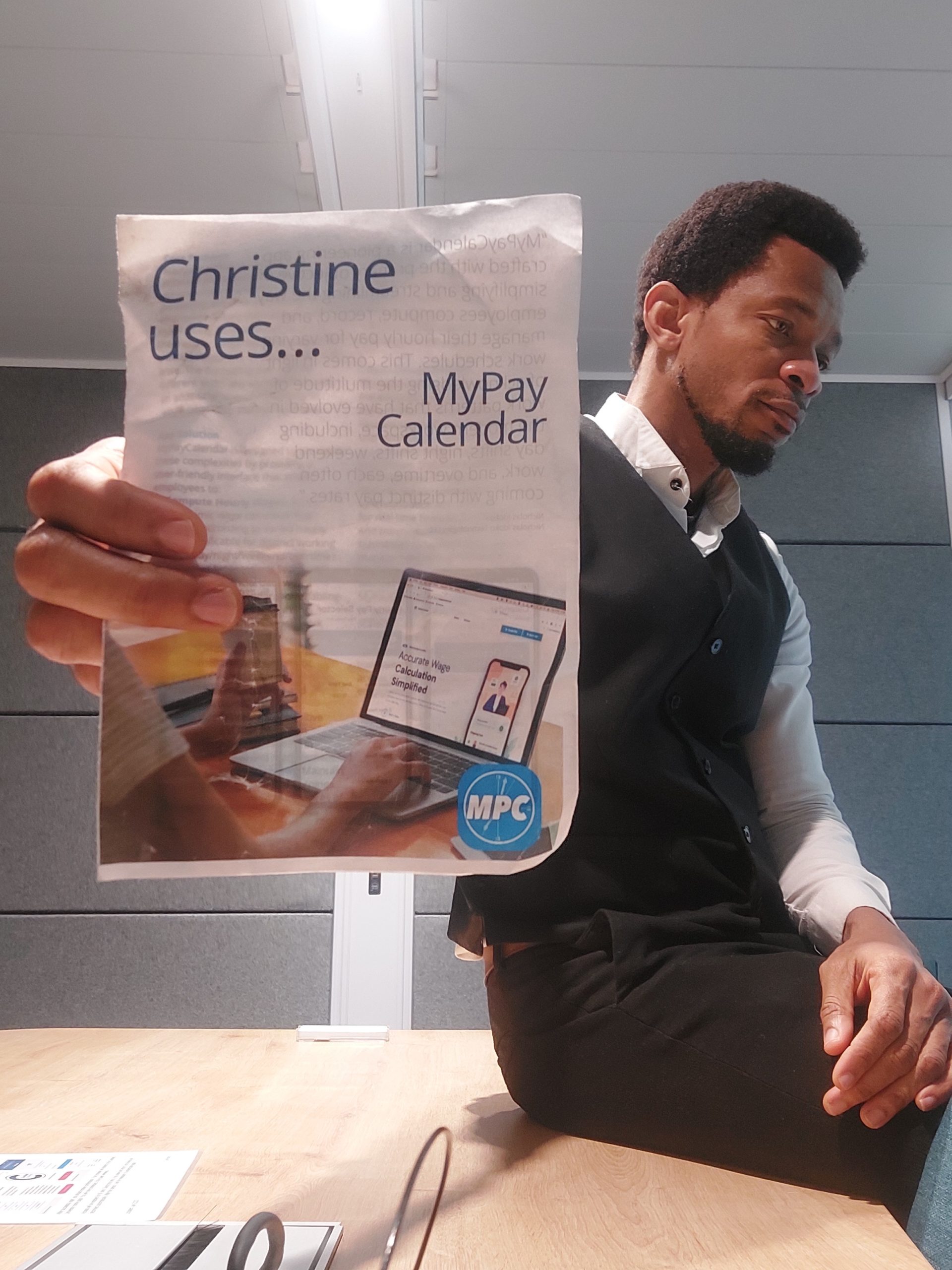
Building on this foundation, David founded DO7 Technology Solutions, evolving from custom software in Nigeria to a UK-based eCommerce platform (www.do7solutions.com) integrated with global marketplaces like eBay. The company has gained strong customer feedback, with AI-driven repairs enhancing efficiency and refurbished tech contributing to sustainability by minimizing e-waste. In 2023, David co-founded R and D Applications Ltd in the UK, launching MyPayCalendar (www.mypaycalendar.com) —a fintech app addressing payroll discrepancies that affect millions worldwide, including nearly 37% of UK workers (Caxton 2023). With early adoption and positive reviews, it’s been featured as an Open University case study, highlighted at Risk London, and recognized as a finalist in the University of Nottingham’s Ingenuity Programme and INFINITY’s best inclusive fintech category.
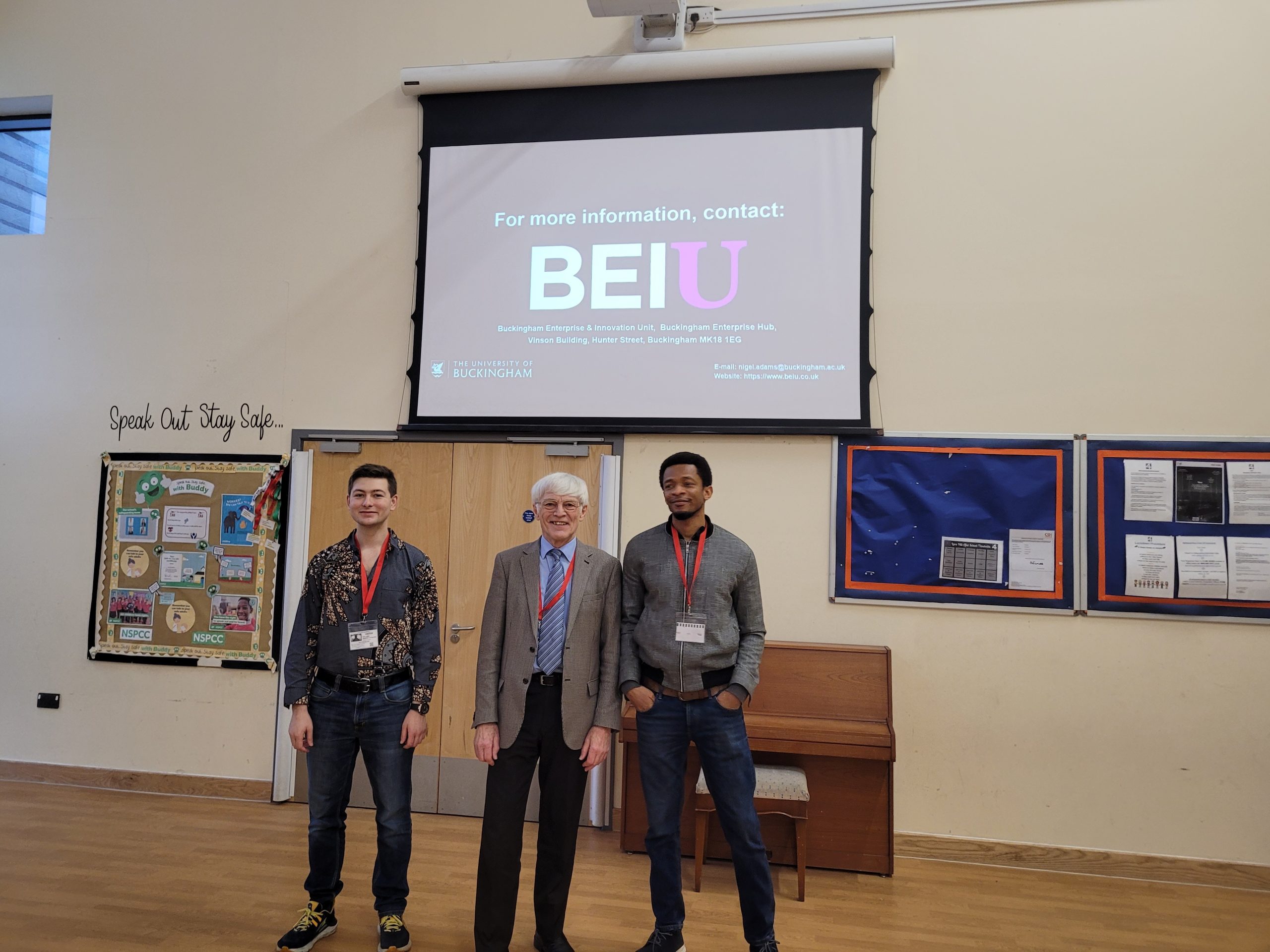
Mentorship is woven into David’s mission, multiplying his impact. Through FUTO Alumni in Nigeria, he has guided over 3,000 students, securing 90 STEM university spots and distributing IT resources to 5,000 underserved learners. In the UK, he judges at the Ingenuity National Competition, reviewing fintech and health-tech pitches, and mentors at Lace Hill Academy via Virgin Money’s “Make £5 Grow,” inspiring 250+ pupils yearly to explore digital entrepreneurship. Sharing lessons from DO7 and MyPayCalendar—like using refurbished tech for startups—reflects his JETS philosophy, building diverse talent pipelines to tackle Nigeria’s youth bulge and the UK’s skills shortage.
For David, technology and entrepreneurship are inseparable forces for economic transformation. “Technology is the engine for wealth creation,” he says, “entrepreneurship the vehicle.” In Nigeria, DO7’s model could inspire substantial job growth. In the UK, facing a tech skills gap, his team’s AI health-tech work aims to contribute to the workforce. Globally, David projects meaningful employment by 2030, bridging Africa and the UK for shared prosperity.
Looking ahead, David is developing Xmedx, an AI physiotherapy tool to improve diagnostics and treatments, with potential to boost workplace efficiency. Partnering with the NHS could position the UK as a leader in AI health-tech. His ambition is to scale R and D into a fintech staple by 2031, creating opportunities globally. In Nigeria, he aims to expand DO7’s reach; in the UK, his team targets growth in AI health-tech.
David’s advice to aspiring entrepreneurs? Don’t wait for perfect conditions. Start with what you have, prove your value, and let technology be your lever. His journey—from an old laptop to global impact—proves anyone can drive economic progress.