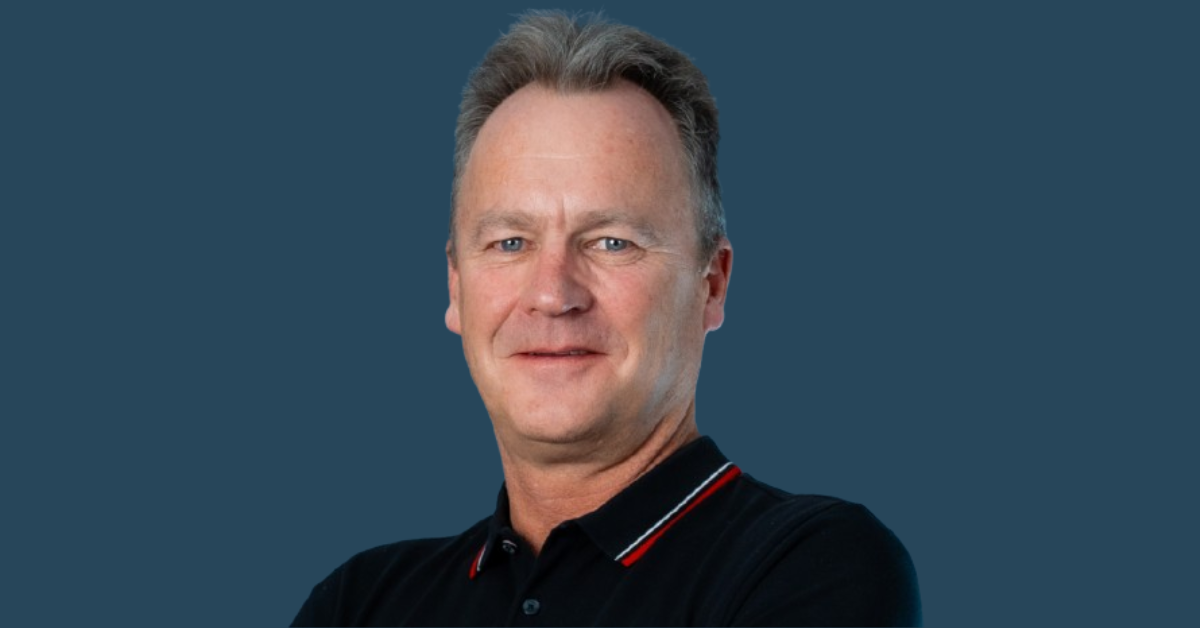
Driven by costs and environmental concerns, South Africans are now keeping their smartphones for up to 36 months, a trend, Chris Dodd, CEO of iStore, the country’s biggest iPhone store, believes is not a threat to new sales. Instead, it’s reshaping the country’s next major retail opportunity of circularity: keeping products in use for longer through repair, resale, and reuse.
“The next wave of competitiveness, sustainability, and consumer value in South Africa’s retail will not only come from selling more devices, but from keeping existing devices in use for longer through repair, refurbishment, and trusted pre-owned pathways,” Dodd told me.
The rise of certified pre-owned devices is already visible in retail numbers. Refurbished devices have captured a significant slice of the pie, accounting for nearly 23% of global smartphone sales in 2023 with over 310 million units sold.
According to Dodd, the pre-owned category has evolved significantly from its origins, where it served primarily as a channel to clear store demonstration units or bulk trade-ins. Today, it is a core business pillar, with certified pre-owned devices accounting for “anywhere from 20% to 30%” of weekly iPhone sales.
Dodd argues that the South African market has shifted from the traditional “pawn shop” stigma toward a formalised resale model akin to the high-end luxury goods market. This formalisation is supported by local initiatives such as Circular South Africa and the Council for Scientific and Industrial Research’s (CSIR) 2022 Circular Economy report, which highlighted that keeping materials in circulation reduces both environmental pressure and business risk.
“It has become a really formalised resale market, moving from a ‘Cash Converters’ type scenario to credible brands that offer warranty,” Dodd explained. “This formalisation, driven by established retailers offering quality guarantees, has been crucial in driving adoption among South African consumers.”
This interview has been edited for clarity and length.
How can circular retail make premium tech, like iPhones, more accessible and inclusive for lower-income consumers?
Circular retail models do three main things for us. First, they lower the entry price point without lowering the standard of what people are getting. We sell certified pre-owned phones in our stores, so someone can, for example, get into the Pro range with a two-year-old iPhone 15 Pro and still enjoy top quality at a reduced price. Second, they give us the ability to bring a customer into our ecosystem. A customer might start with a pre-owned iPhone 13, but we know that one day that same person might end up being our iPhone 17 customer as their circumstances improve. Maybe they are students now and can only afford a pre-owned device, but later they will be able to buy the latest model. Finally, the circularity of the model allows us to tap into various income levels in a very sustainable way.
How can South African tech retailers balance profitability with circular economy practices?
Refurbishment is a business where you can easily make mistakes and lose money, so you have to take it seriously. We take an industrial approach to it: devices go through rigorous checks, balances, and quality control to ensure that what we offer our customers is of the highest quality.
The benefit of running our own trade-in business is that it gives us a constant, predictable inflow of devices. Because we resell those traded-in devices, we can offer customers the best value in the market. To keep the margins healthy, we also use the ecosystem around these phones, offering battery swaps, repairs, and insurance. Profitability comes from treating circularity as a proper product category, not just a CSR line item.
How can retailers ensure that sustainability is embedded into their core models to secure long-term competitiveness in the device market?
The key to long-term competitiveness lies in shifting the mindset around sustainability. My recommendation to businesses is that you have to find the commercial value in circularity. When you find the commercial value, it makes sustainability easy. Circularity has to be a product category, not a CSR line item. It’s got to be something that works for the business, the customer, and the environment at the same time. And once businesses find that model, they will definitely be successful.
What is your outlook for the circular retail industry looking ahead to 2026?
The circular retail industry is now a sizable business unit on its own. This industry went from nothing to being significant very quickly, and many players likely got burned in the process. 2026 and beyond will be a time for consolidation; the players that remain will be stronger and able to offer more to consumers. As our trade-in business continues to grow, it opens opportunities for more dedicated pre-owned stores.
We currently have four stores that exclusively sell pre-owned devices. If we can increase our trade-in volumes, there is definitely an opportunity to open more of these specialised outlets in the future.
Recommended: 14 iPhone tips and tricks that make your phone feel new again