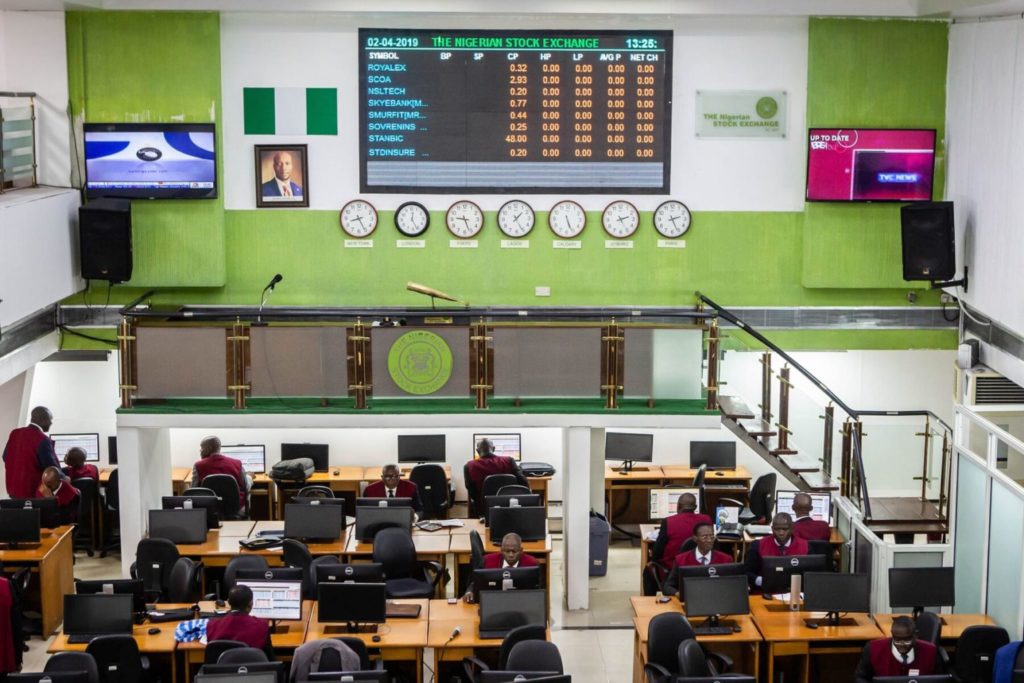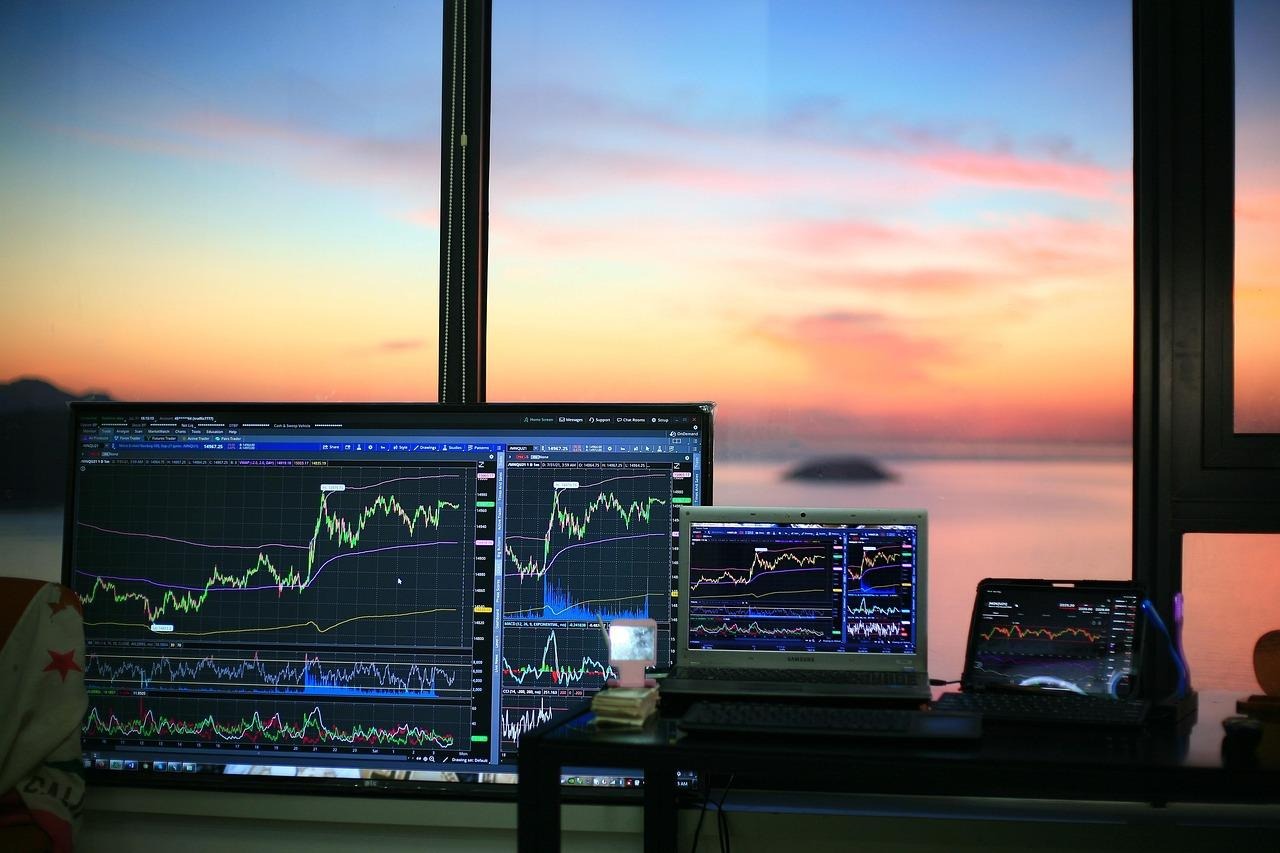
Nigeria’s FX market structure has been evolving, and retail traders are adjusting faster than many people expect. When pricing becomes more centralised, reporting improves, and liquidity pathways shift, the change shows up in real trader behavior. It affects which pairs traders focus on, how they size risk, and how quickly they cut positions when conditions change
For many Nigerians, forex trading is now less about random entries and more about adapting to a market that punishes weak execution and rewards disciplined timing. As the FX structure updates, traders are paying closer attention to spreads, liquidity windows, and confirmation from multiple markets before committing capital.
Signal 1: Higher focus on transparent pricing and execution quality
Retail traders are becoming more sensitive to quote quality because updated structures typically reduce tolerance for unclear pricing. When traders can compare quotes more easily and see execution records, they start prioritizing platforms and sessions where fills are clean and predictable.
- More traders compare spreads across different market hours before placing trades
- Slippage becomes a bigger factor in trade selection than before
- Traders avoid entering during thin liquidity periods unless the setup is strong
- Execution speed and order confirmation influence trust and position size
This shift reduces overtrading. Nigerian traders are learning that a good entry is not only about direction, it is also about cost, and cost becomes obvious when pricing transparency improves.
Signal 2: More timing discipline around liquidity windows
An updated FX structure pushes traders to notice when liquidity is deep and when it is fragile. Retail traders in Nigeria increasingly plan around global sessions instead of trading randomly throughout the day.
- London session overlap becomes a preferred window for cleaner movement
- US session data releases are treated with more caution and tighter risk control
- Asian session activity is used more for planning than aggressive execution
- Traders build routines using alerts and session-based watchlists
Timing discipline is a sign of maturity. As the structure becomes clearer, traders stop blaming the market and start adjusting to when the market offers the best conditions.
Signal 3: Wider adoption of risk metrics over pure prediction
Retail behavior is moving toward measurable risk control. Traders are shifting from forecasting to managing uncertainty, especially when the naira narrative creates emotional bias.
- More traders define risk per trade before entry rather than after
- Stop placement is increasingly based on volatility rather than fixed points
- Traders pay attention to drawdown limits and reduce size after losing streaks
- Position sizing tools are used more often to standardize exposure
This is one of the strongest behavior changes because it improves survival. As the FX structure evolves, traders see that consistent risk control matters more than being right on every trade.
Signal 4: Increased use of cross-pair confirmation
As pricing becomes more transparent, traders start using more confirmation signals instead of relying on one chart. In Nigeria, this often shows up as watching broader USD strength rather than only focusing on one USD pair.
- Traders compare USD movement across multiple major pairs before entry
- Cross pairs like EUR versus GBP are used to confirm real currency strength
- Commodity and risk sentiment are watched as filters for volatile days
- Traders avoid trades when major pairs show mixed direction
Cross confirmation reduces false signals. It also keeps traders aligned with global flows, which is critical when Nigeria is influenced by external dollar cycles.
Signal 5: More attention to news impact and data surprise
Retail traders are behaving more like professionals by monitoring how price reacts to outcomes versus expectations. Nigerian traders are learning that data surprise, not the headline itself, is what moves forex.
- Traders track key US releases and central bank signals more consistently
- The first reaction is treated cautiously, with confirmation preferred
- Traders measure whether follow-through appears after the spike
- More traders plan trades around calendar risk rather than ignoring it
This behavior change is tied to transparency. When execution is clearer, traders can review what happened and see that the biggest losses often come from ignoring scheduled volatility.
Signal 6: Shift toward fewer trades with higher conviction
As conditions become more structured, retail traders reduce random activity. Many Nigerian traders are cutting trade frequency and improving selectivity, especially in unstable weeks.
- Traders avoid forcing setups in choppy markets
- Watchlists are narrowed to a few pairs that match the trader style
- Traders wait for cleaner trend alignment across timeframes
- More traders prefer one strong trade over many weak trades
This shift helps performance because it aligns with how real liquidity behaves. When the market structure changes, weak setups get exposed faster, and losses compound quickly.
Signal 7: Rising demand for better reporting and trade review
Retail traders are paying more attention to tracking performance because an improved structure makes review easier. When statements show costs and fills clearly, traders can identify what is working.
- Traders review weekly results and identify their highest performing setup
- Costs like spreads and swaps are treated as part of strategy design
- Traders journal reasons for entry and exit to reduce repeat mistakes
- More traders focus on process metrics such as average loss size
This is a major cultural change. It signals that retail traders in Nigeria are moving away from hope-based trading toward evidence-based improvement.
Conclusion
Nigeria’s updated FX structure is influencing retail trading behavior in visible ways. Traders are focusing more on transparent pricing, cleaner execution windows, and risk metrics that protect capital during volatility. They are using cross-pair confirmation, reacting more intelligently to news surprises, trading less but with higher conviction, and placing more value on reporting and review. These seven signals show a market where retail participation is becoming more structured, and where disciplined traders are better positioned to benefit as transparency and price discovery continue to improve.