Nigeria’s event industry is one of the country’s most visible creative economies. Weddings, birthdays, corporate functions, and social celebrations happen every week, across cities and towns. Behind every event is a network of caterers, decorators, photographers, makeup artists, DJs, planners, and rental vendors keeping things running.
Yet despite the size and consistency of this market, the process of finding and booking event vendors remains largely informal.
For many planners and celebrants, vendor discovery still happens the same way it did years ago: Instagram searches, screenshots, WhatsApp recommendations, and long DM conversations. Social media has made vendors easier to see, but not necessarily easier to evaluate or book. Information is scattered. Pricing is often unclear. Availability takes time to confirm. Comparing options is difficult.
These frictions are so common that they are rarely questioned. But as the event economy continues to grow, the limitations of this system are becoming harder to ignore.
This is the gap OiO is trying to address.
An industry powered by visibility, not structure
Instagram has become the default storefront for many event vendors in Nigeria. It works well for showcasing aesthetics and past work, but less well for discovery and coordination at scale. A planner looking for a caterer in a specific city on a specific date may have to scroll through dozens of profiles, send multiple enquiries, and wait for replies that may or may not come.
For vendors, the experience is equally inefficient. Many receive high volumes of messages, repeat the same information daily, and still struggle to convert interest into confirmed bookings. Serious enquiries are often buried among casual questions and price checks.
As more people enter the event services space, these inefficiencies multiply.
OiO’s approach: Structure without disruption
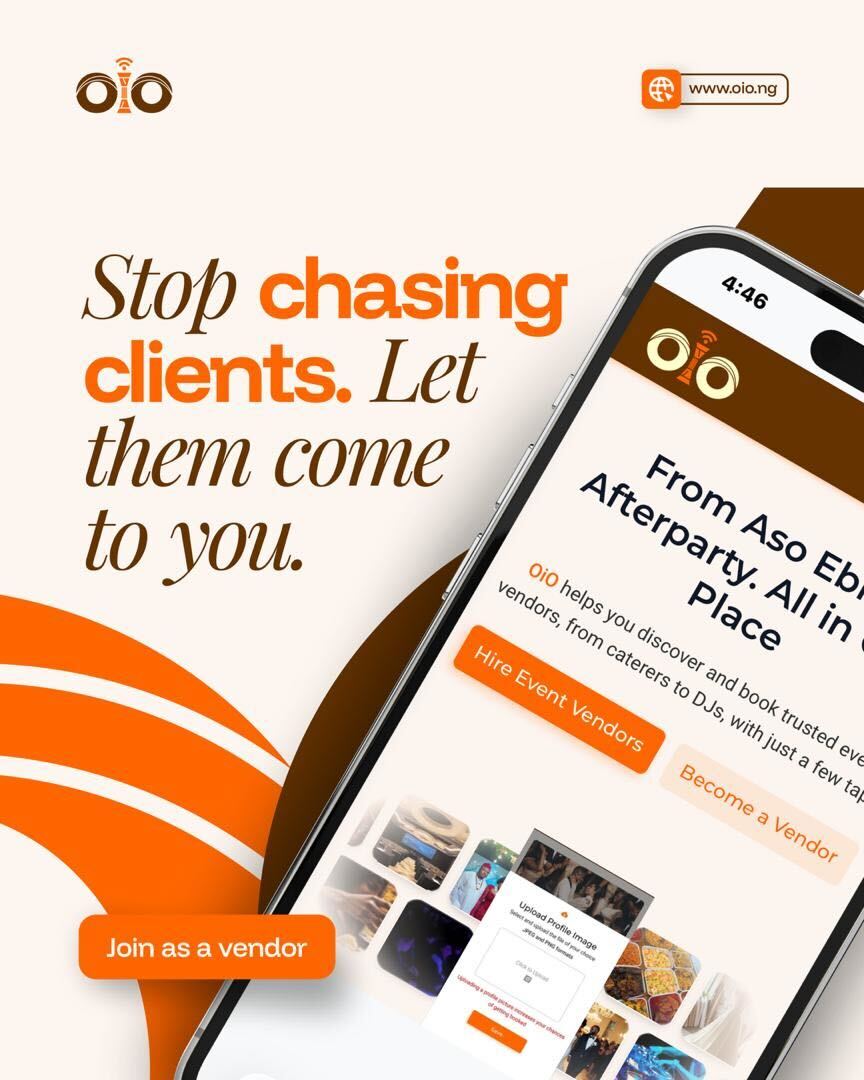
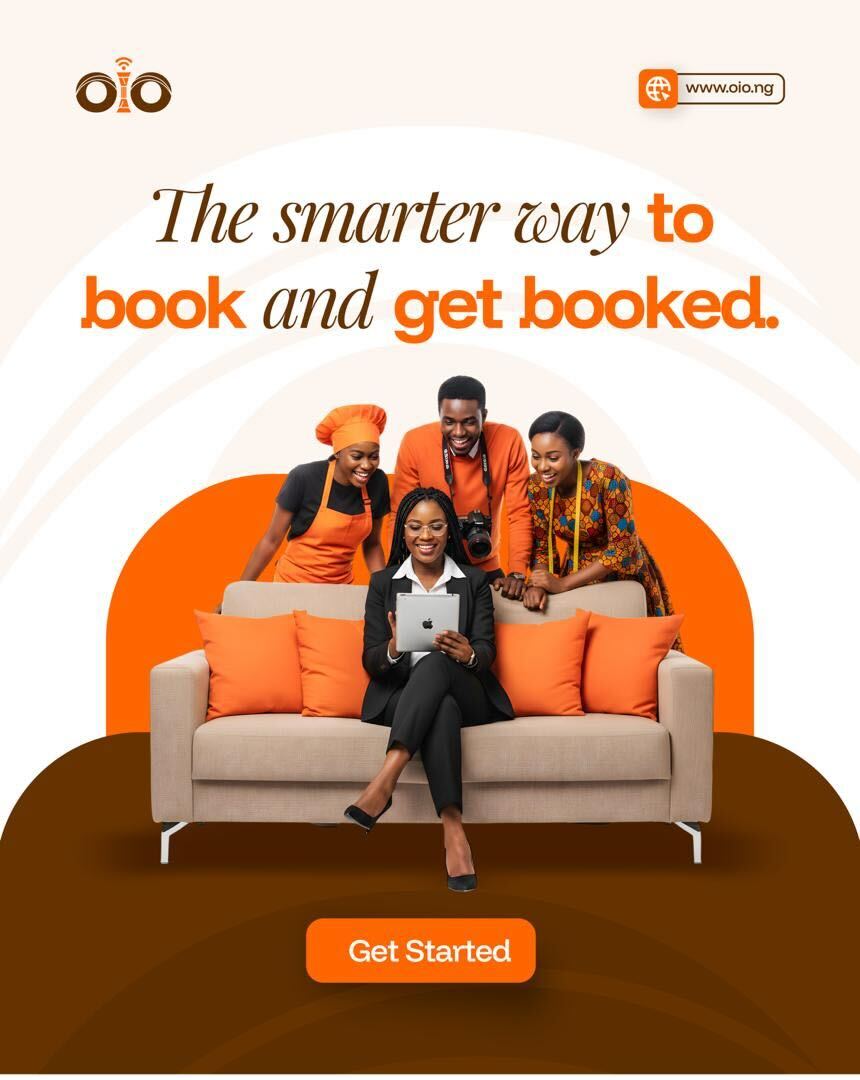
OiO, short for Owambe Is Online, positions itself as a discovery layer for Nigeria’s event services market. The platform allows users to search for vendors by category and location, view service information, and contact vendors who are actively open to bookings.
Rather than attempting to replace social media, OiO is designed to sit alongside it. Instagram remains the place for inspiration and brand personality; OiO focuses on organization and intent. The goal is to reduce the time spent searching and filtering, and increase the likelihood that enquiries turn into real conversations.
“We realised that vendor discovery in Nigeria’s event industry still happens across scattered platforms, which creates friction for both planners and vendors,” says Benjamin Eguanimkwu, founder of OiO. “OiO is about bringing that process into a more structured environment without changing how people naturally plan events.”
From media insight to marketplace
OiO is owned by Glamcityz, a fashion and wedding media platform that has spent years covering Nigerian weddings, style trends, and event culture. That background shapes how OIO approaches the market.
Through Glamcityz, the team has observed how people plan events in practice — where inspiration comes from, how vendors are discovered, and where frustration tends to set in. OIO builds on that insight, moving from content and curation into infrastructure.
In that sense, the platform is less about introducing a new behaviour and more about organising an existing one.
More than a directory
While OiO functions as a marketplace, its ambition goes beyond acting as a static vendor list. The platform is positioning itself as a reference point for event planning — a place where discovery is intentional, and information is centralised.
For vendors, this means improved visibility to planners who are actively searching, rather than passively browsing. For planners and celebrants, it means fewer dead ends, clearer options, and less reliance on guesswork.
As adoption grows, platforms like OiO could also help standardise expectations around availability, service scope, and professionalism within the industry.
Why this matters now
Nigeria’s event economy continues to expand, driven by population growth, urbanisation, and a strong culture of celebration. But the tools supporting this growth have not evolved at the same pace.
Marketplaces have transformed sectors like transport, accommodation, and food delivery by introducing structure and reducing friction. Event services have largely remained outside that shift.
OiO is built on the assumption that the event industry is ready for a similar transition, one that preserves creativity and relationships while introducing systems that make planning more efficient.
The platform is still early, but the underlying idea is straightforward: as the business of events grows, the infrastructure supporting it will need to grow alongside it.