


Introduction
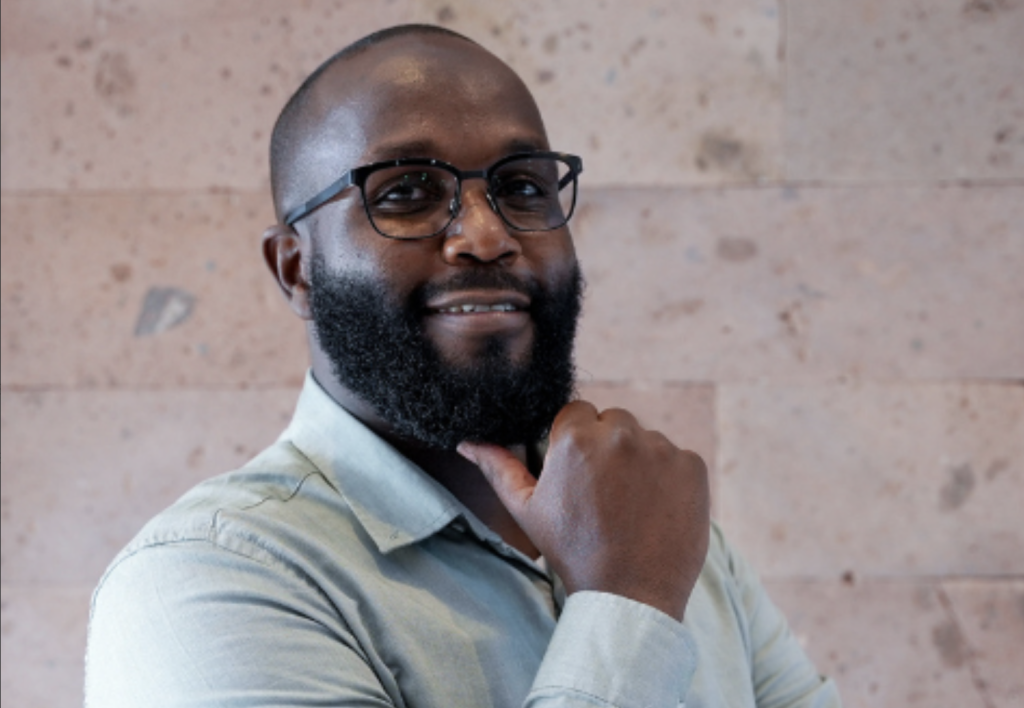
Osaro Jackson’s career does not follow a straight line; it expands. From early days in marketing and operations within Nigeria’s fast-moving tech ecosystem to leading Africa-wide growth initiatives at the world’s largest crypto exchange, Binance, his journey mirrors the evolution of Africa’s digital economy. His diverse experience aims to inspire young professionals by showing that varied paths can lead to impactful leadership.
With over a decade of experience spanning fintech, ride-hailing, on-demand delivery, and blockchain, Osaro has built a reputation for combining operational rigor with cultural context, an approach that has helped global platforms scale meaningfully across African markets. However, he also faced unique challenges, including regulatory hurdles and infrastructure gaps, which he navigated through innovative solutions.
In this conversation, Osaro reflects on his career trajectory, lessons from scaling across diverse African markets, and what the future of fintech and blockchain could mean for Nigeria and the continent at large.
Q: Your career cuts across operations, marketing, fintech, ride-hailing, and now blockchain. Looking back, how did this journey begin?
A: It started very practically. I didn’t enter tech with a grand vision of “disruption.” My early roles were about solving immediate problems: how do you onboard faster, how do you make systems work better, how do you scale without breaking trust? From payments companies like Unified Payments and Amplified Payments to ride-hailing at Bolt formerly Taxify, I learned the fundamentals of growth in Nigeria: trust, accessibility, and execution. Those early experiences shaped how I approach every market to this day.
Q: You spent nearly a decade in operations roles before moving fully into growth and strategy. Why were operations such a strong foundation for you?
A:
Operations teach humility. When dealing with drivers, couriers, merchants, or users on the ground, theory quickly disappears. At Bolt and later Glovo, I learned that growth numbers mean nothing if the systems underneath can’t support real people. For Africa, especially, operations are strategy. Understanding logistics, compliance, human behavior, and infrastructure gaps helps build products that truly scale, fostering hope for meaningful progress.
Q: What was the biggest mindset shift moving from local Nigerian roles to regional African leadership?
A:
Africa is not one market; it’s a set of multiple realities. What works in Lagos may fail in Nairobi or Kinshasa. At Binance, leading marketing and growth across Africa forced me to unlearn assumptions. Language, regulation, trust in financial systems, and even media consumption patterns differ widely. The key shift was moving from “best practices” to “best context.” Once you respect local nuances, growth becomes more sustainable.
Q: Blockchain and crypto adoption in Africa is often driven by necessity rather than hype. How did that shape your approach?
A:
Exactly. In Africa, people don’t adopt crypto because it’s trendy; they adopt it because it solves real problems: access to global finance, inflation hedging, and cross-border payments. Our work focused less on jargon and more on education, trust-building, and localization. Initiatives like Binance BlockTalk Africa or offline community events weren’t just marketing; they were infrastructure for understanding. Adoption follows clarity.
Q: You’ve led teams across multiple countries and cultures. What leadership lessons stood out?
A:
Two things: clarity and ownership. African teams are incredibly capable, but they thrive when expectations are clear and autonomy is respected. My Leadership style emphasizes cultural sensitivity and local empowerment, trusting people to lead locally while aligning them to shared metrics. Leadership at scale isn’t about control; it’s about building systems that enable people to perform at their best without constant supervision, fostering sustainable growth across diverse contexts.
Q: Many young Africans want careers in fintech and blockchain. What do you think they often underestimate?
A:
They underestimate patience and fundamentals. Everyone wants to work on the “future,” but the future is built on basics: compliance, user experience, education, and data. Also, this field rewards people who can translate complexity into simplicity. If you can explain a product to someone with no technical background and still gain their trust, you’ll always be valuable.
Q: You are currently leading a consultancy supporting major clients across the tech ecosystem. How are you thinking about the next stage of your work?
A:
I don’t see this moment as a shift away from what I’ve done before, but as a natural extension of it. Through consulting, I’m able to focus on where I can have the greatest practical impact, at the intersection of strategy, growth, and real African-market execution. The continent’s tech ecosystem is maturing, and organizations are looking for partners who understand both global standards and local realities.
Q: Finally, how do you see Nigeria’s role in Africa’s fintech and blockchain future?
A:
Nigeria will continue to be the proving ground. It is complex, fast, and often unpredictable, but solutions that survive here can thrive almost anywhere. The responsibility is to build products that protect users, respect regulations, and address genuine economic needs. Navigating the regulatory environment requires patience and constructive engagement, yet within those challenges lie huge opportunities. If we approach it thoughtfully, Nigeria will not just be another market; it will become the model others look to.
Osaro Jackson’s career reflects a quiet but powerful truth about Africa’s tech ecosystem: sustainable growth is built by those willing to understand the ground before chasing scale. For a continent still defining its digital future, stories like Osaro’s remind us that progress is rarely overnight, but it is always intentional.