
Happy pre-TGIF. ☀️️
I was reading a research study this week and found out that the average person spends around 18 minutes deciding what to watch every time they open a streaming app, making up 110 hours a year of pure scrolling (well, question the methodology later.) Algorithmic indecision is officially a lifestyle. If you have ever opened Netflix, scrolled for 25 minutes, and then gone back to YouTube Shorts, congratulations. You have experienced in miniature what some African regulators feel when they look at AI, crypto, and online “gambling” at the same time.
Let’s dive in.
— Emmanuel

banking
South Africa’s Nedbank plans to acquire 66% of Kenya’s NCBA; it could force shareholders to cash out
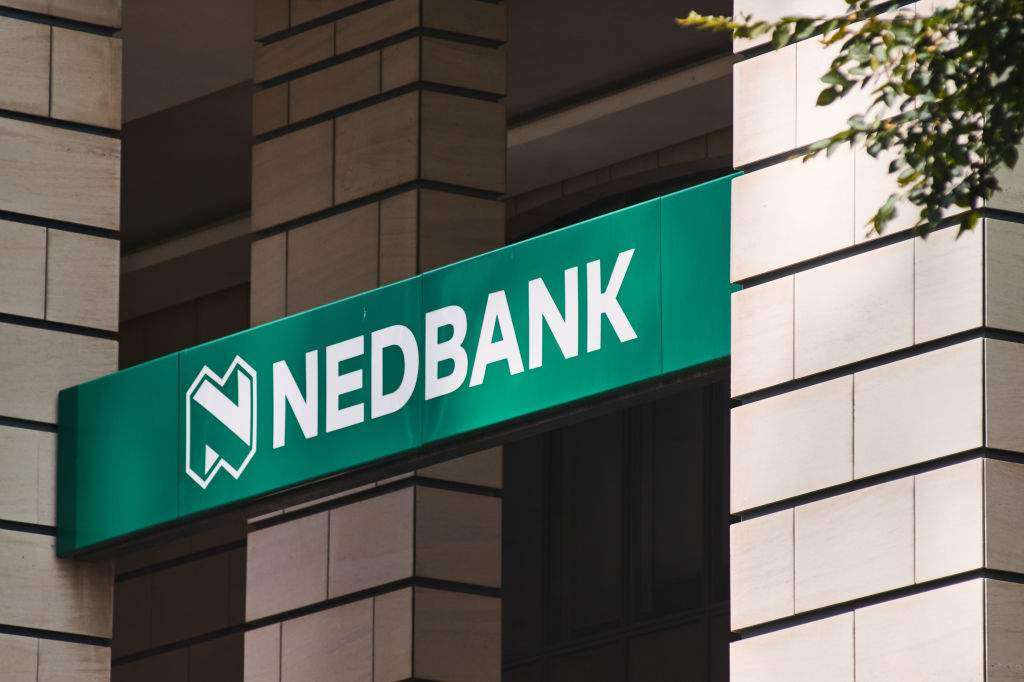
Nedbank’s proposed NCBA takeover is being sold as a neat share‑swap into a bigger African banking story, but for a chunk of Kenyan institutional investors, it is closer to a forced cash‑out.
Under the offer, NCBA shareholders who tender will get 20% of their consideration in cash and 80% in new Nedbank shares listed on the Johannesburg Stock Exchange (JSE). That works fine for family groups and retail investors who are happy to become South African bank shareholders. It is awkward for tightly regulated pools of domestic savings—pension funds, insurers, and some collective investment schemes (CIS), whose mandates or local rules cap or even prohibit holding offshore equities.
Those investors will be paid fully in cash instead of stock if they accept, turning what is pitched as a strategic paper deal into a hard exit for them.
This matters for three reasons. First, it changes incentives; some Kenyan pension funds and insurers that bought NCBA as a “safe” local dividend stock, backed by influential families—the Kenyatta (via Enke Investments) and Ndegwa families (via First Chartered Securities Limited) together hold over 27%—must now pick a side. They can either cash out their NCBA shares and move that money into another Kenyan bank on the local exchange, or go through the harder route of changing their own investment rules so they are allowed to hold Nedbank shares listed in Johannesburg instead.
Second, it quietly exports some of Kenya’s savings to South Africa. Every institution that does take paper is swapping a Nairobi‑listed asset for exposure to Nedbank’s balance sheet and the rand, deepening the regionalisation of bank ownership in East and Southern Africa.
Third, it underlines how regulation lags cross‑border M&A. The Kenyan Capital Markets Authority (CMA), the capital markets regulator, has given Nedbank a waiver to do a partial 66% offer instead of a full buyout, but pension and insurance rules have not been tuned for a world where your “local” tier‑1 bank can suddenly become a subsidiary of a foreign group.
If the deal closes as structured, NCBA stays listed in Nairobi, but for some of the most conservative Kenyan money, this will mark the end of the relationship, not the start of a new chapter with Nedbank.


We are expanding across Africa!
Fincra is expanding across Africa, building the financial infrastructure that powers Africa’s cross-border payments. Build with us. Explore open roles.
mobility
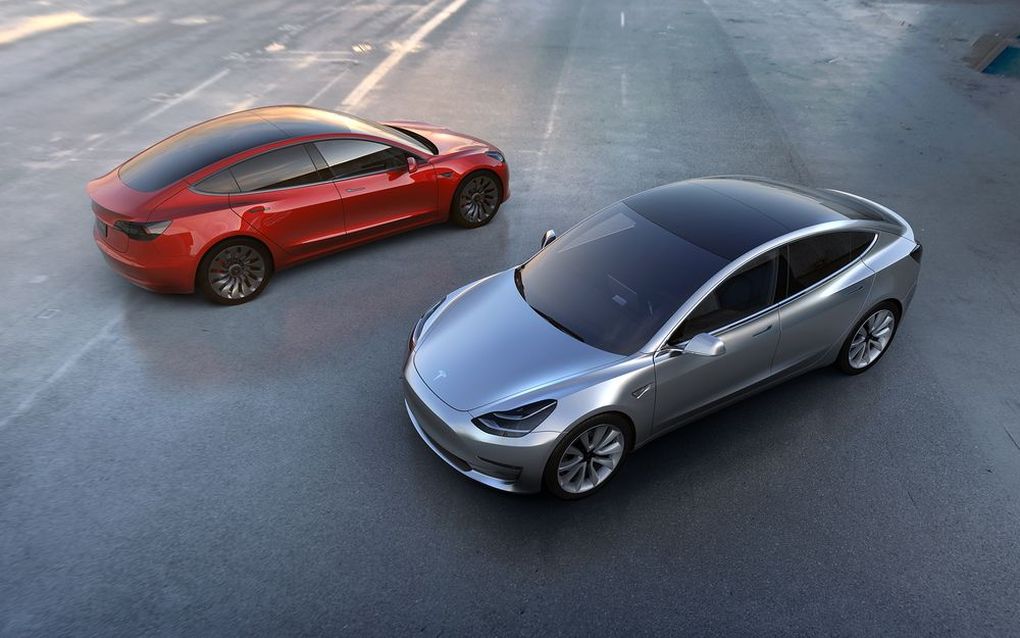
Moroccans can now buy Tesla Model 3s and Model Ys
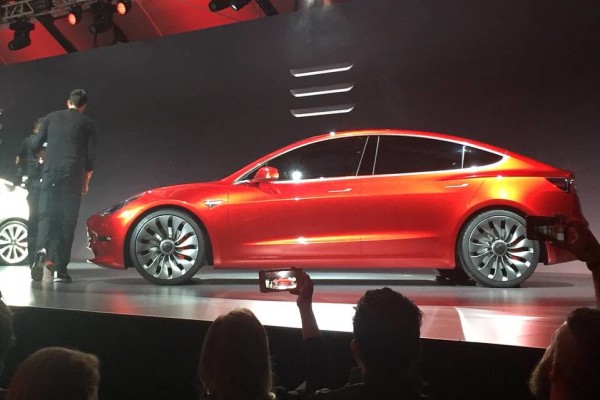
Following Tesla’s entry into Morocco in June 2025, when it set up Tesla Morocco as an energy and mobility hub in Casablanca, the US electric vehicle (EV) company has now gone fully retail.
In February 2026, Tesla opened its first African dealership and order page in the city, allowing Moroccans spec and buy Model 3s and Model Ys as easily as a new Dacia, not via a friend of a friend with a shipping container.
The company has spun up a local order page where Moroccans can buy Teslas with transparent pricing and access after‑sales support.
That does not mean Africans could not buy Teslas before. In Nigeria, for instance, EV dealers like Carloha already import Teslas from China, Europe, or the US, handle customs, duties, and car parts on customers’ behalf. The difference is that those are workaround markets: owners pay brutal duties, face patchy service and questionable warranties, and have no access to official charging or software ecosystem to back them up.
Morocco offers Tesla something cleaner (EV joke, get it?): Beyond selling cars, the EV maker created a local subsidiary with licences to deploy solar, batteries, and charging infrastructure, plugging straight into its renewables push. Yet, there are other perks for manufacturers like Tesla in Morocco: fully electric cars are exempt from the standard 20% value-added tax (VAT), some models qualify for zero import duty, and EVs get a free pass on annual road tax. Returning Moroccans can import an EV they owned abroad with up to 90% tax relief. That keeps the local price of a base Model 3 close to the US and China levels.
Zoom out: Morocco overtook South Africa as Africa’s top car producer in 2025, with more than a million vehicles rolling off its lines, and Tesla’s choice looks less like a snub and more like a simple calculation: start in the African market that already behaves like a supply chain and policy sandbox, not the one still treating EVs as a luxury import problem.
The Smarter Way to Save
At PalmPay, we don’t just talk about financial inclusion, we drive it by upskilling and empowering women for real careers in tech. Apply for Purple Woman 2026 and become one of 150 women equipped with the skills, experience, and opportunity to thrive. Learn more.
banking
Absa Kenya is lending less to people and more to the government
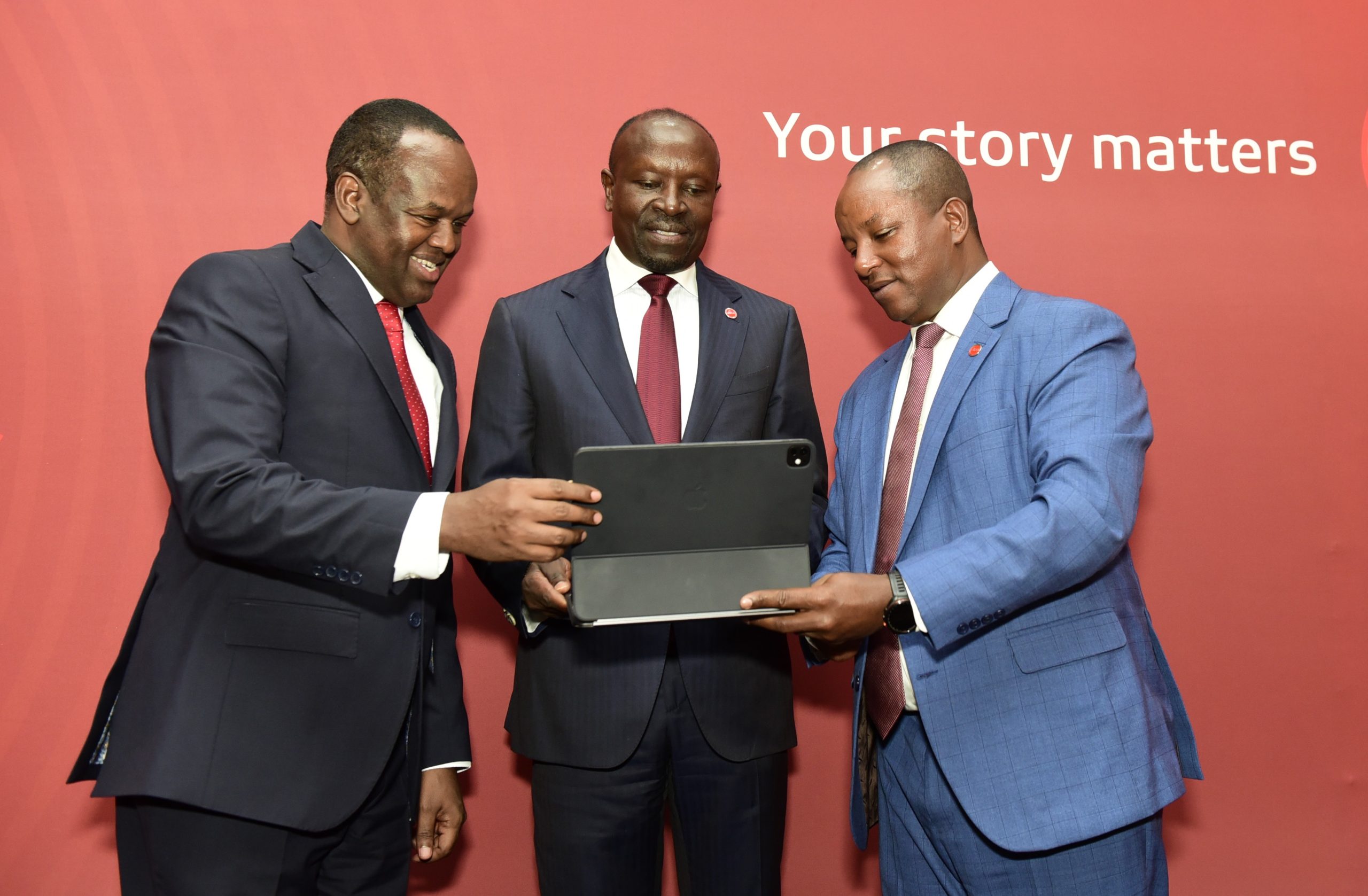
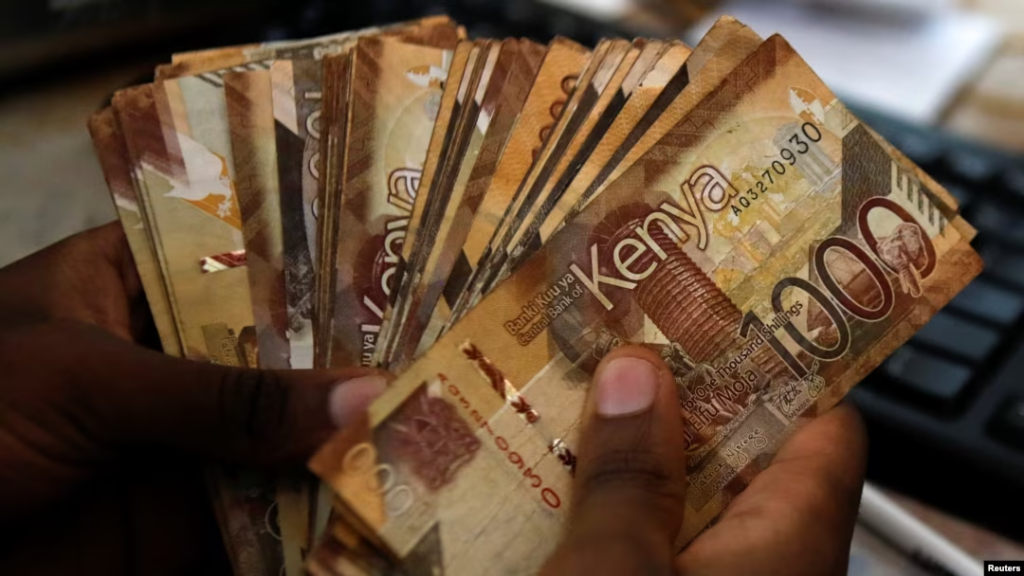
In 2025, Absa Bank Kenya, one of the country’s largest banks by assets, increased its holdings of government securities by 19%, pushing that portfolio to about KES 115 billion ($890 million).
Meanwhile, loans to customers barely moved. This part of the bank’s services only grew by 1% over the same period. Why? When companies aren’t expanding aggressively, and consumers are watching their spending, loan demand naturally cools. Banks can’t force people to take loans. Even when loans are available, borrowers may hold back if interest rates are high or economic conditions feel uncertain. Banks have also become more careful about who they lend to after periods of rising defaults in parts of the economy. Loan defaults in the country eased for the first time in eight months in January 2026.
Why government securities start looking attractive: When lending slows, banks still need somewhere to put their money. Government securities are issued by the state that banks can buy and earn a predictable interest on. They are also relatively low risk and don’t require the same level of credit assessment as private-sector loans.
What this does not mean: A larger investment in government securities doesn’t necessarily mean Kenyan banks are abandoning lending. However, it shows how they adapt when credit demand softens.
Enjoy affordable fares on Wakanow

At Wakanow Affiliate Forum, you’ll learn how to transform everyday travel conversations into a consistent revenue stream. If you want a practical side hustle with structure and support Join us March 13, 12PM, Balmoral Event Center. Register here.
telecoms
Ghana’s 5G network operator commences wholesale

Ghana has moved into the execution phase of its national 5G plan. The Next Gen InfraCo (NGIC), Ghana’s 4G and 5G Network as a Service (NaaS) operator, has received approval from the National Communications Authority, the country’s communications regulator, to begin commercial operations on a shared mobile network that telecom companies across the country can tap into.
What is this ‘wholesale 5G’? Typically, every telecom operator builds its own network towers, spectrum infrastructure, and core systems. That’s the retail model most countries use. Ghana is trying something different. Under this wholesale model, NGIC builds and operates the national 4G/5G infrastructure, and mobile operators rent access to it instead of building their own duplicate networks. Telecom operators still compete on pricing and customer service, but they all use the same underlying network.
What good will this do? Rolling out 5G infrastructure across an entire country costs a lot of money. A shared base network is meant to reduce the burden of each operating spending money on that and push coverage beyond the usual urban hotspots, pushing toward its target of reaching about 70% population coverage.
Will people actually use it? In many African markets, 5G adoption has been slower than expected, as only one in every 100 Africans was connected to 5G in 2024 despite a $28 billion investment. So Ghana’s challenge is getting users to actually make use of the faster network, because while a national 5G backbone is great, it only becomes powerful when people start building on it.
CRYPTO TRACKER
The World Wide Web3
Source:

|
Coin Name |
Current Value |
Day |
Month |
|---|---|---|---|
 Bitcoin Bitcoin |
$72,429 |
+ 6.70% |
– 7.60% |
| Ether |
$2,116 |
+ 7.80% |
– 8.98% |
| BNB |
$655 |
+ 3.97% |
– 15.42% |
| Solana |
$90.20 |
+ 6.07% |
– 18.23% |
* Data as of 06.39 AM WAT, March 5, 2026.
Events
- Moment 2026, powered by Mainstack, will host 4,000+ creators, 30+ speakers, and hundreds of brands from March 13–15, 2026 at the Landmark Event Centre in Lagos. The three-day gathering will spotlight the future of Africa’s creator economy with panels, networking, grants, and product giveaways. Get your tickets here and enjoy a discount when you use TCMOMENT at checkout.
-
 The voices shaping Africa’s digital future are taking the stage. From AI and IoT to cloud, connectivity and smart infrastructure, IOT West Africa | Data Centre & Cloud Expo Africa 2026 brings together the leaders building the continent’s next digital chapter. This is where the ecosystem meets, and we’ll see you there. The event kicks off on April 28–30 at the Landmark Centre, Victoria Island, Lagos. Register here to attend.

Written by: Kenn Abuya, Opeyemi Kareem, and Emmanuel Nwosu
Edited by: Emmanuel Nwosu & Ganiu Oloruntade
Want more of TechCabal?
Sign up for our insightful newsletters on the business and economy of tech in Africa.
- The Next Wave: futuristic analysis of the business of tech in Africa.
- Francophone Weekly by TechCabal: insider insights and analysis of Francophone’s tech ecosystem
P:S If you’re often missing TC Daily in your inbox, check your Promotions folder and move any edition of TC Daily from “Promotions” to your “Main” or “Primary” folder and TC Daily will always come to you.