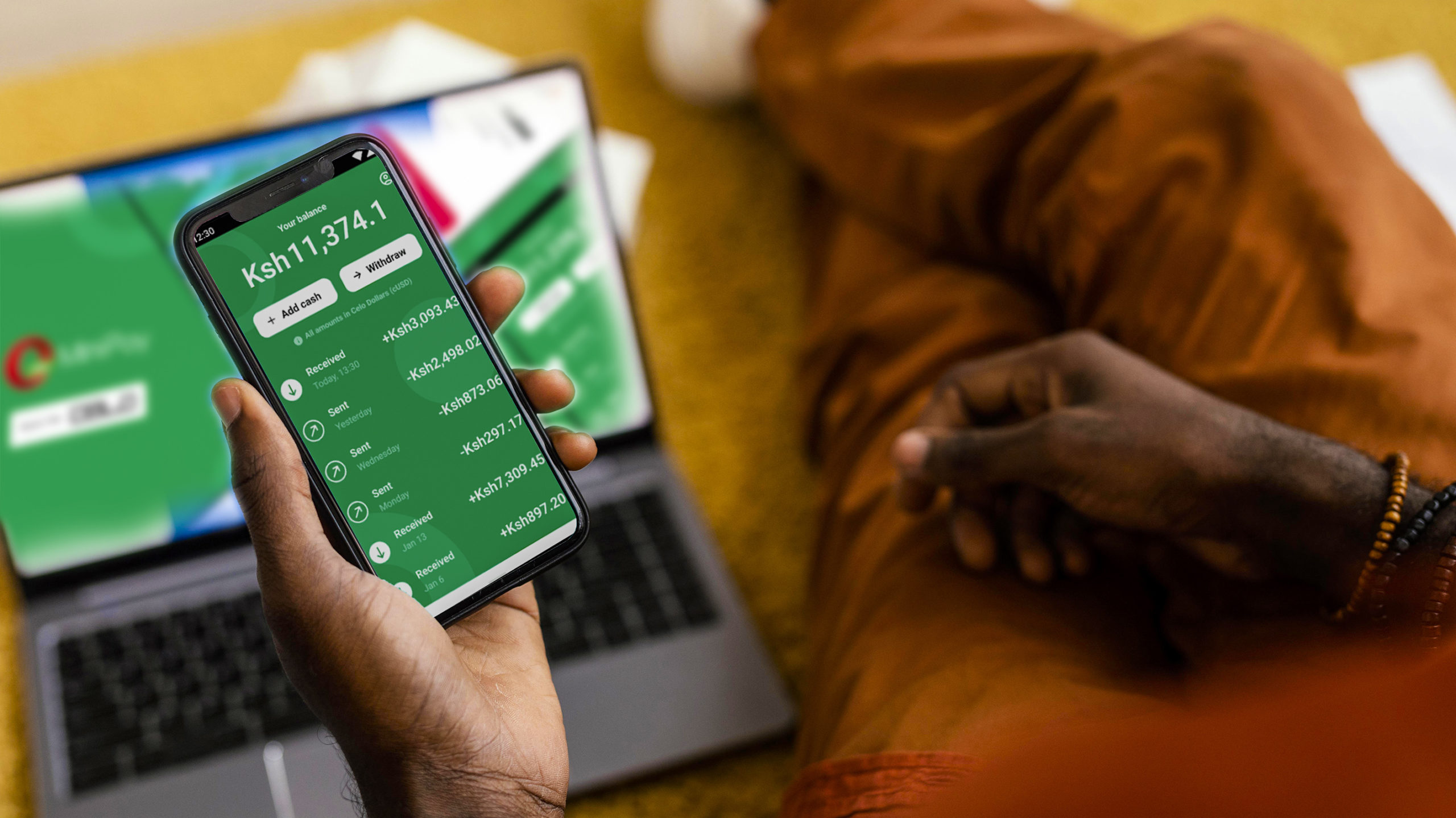
MiniPay, the Opera-backed stablecoin wallet and payments app that operates in seven African markets, has crossed 15 million activated wallets, more than double from the previous year.
The 123% year-on-year jump extends the app’s growth after it crossed 13 million wallets by the end of 2025, according to Opera’s Q1 2026 report.
Launched in Nigeria in September 2023 as part of the Opera Mini browser before becoming a standalone app last year, MiniPay has emerged as one of the most widely used stablecoin payment products focused on emerging markets, with the majority of its users in Africa, according to Opera.

It underscores how Africa has become one of the world’s most active testing grounds for crypto payments and dollar savings products. Apps like MiniPay, Bitget Wallet, and UglyCash are betting that users in countries with volatile currencies and costly banking infrastructure will embrace dollar-denominated digital money for everyday use.
“MiniPay launched first in Nigeria in 2023 and expanded first across Kenya and other key African markets before going global in 2025,” Murray Spark, Senior Director Business Development at Opera, told TechCabal in an email response on Tuesday.
“We don’t go into country-level detail, but it’s fair to say our earliest markets in Sub-Saharan Africa are where we’re seeing the most traction. This reflects where our most engaged users are, and we expect the geographic mix to evolve as we expand.”
Opera reported that MiniPay users completed 290 million peer-to-peer (P2P) transactions worth over $300 million by the third quarter of 2025. That figure climbed to 360 million completed transactions by year-end.
Opera declined to disclose average transaction sizes for MiniPay, but said activity on the app is concentrated around “everyday financial activities that traditional banking infrastructure either ignores or makes too expensive to bother with,” including peer-to-peer (P2P) transfers, airtime and data purchases, bill purchases, merchant payments, and universal basic income (UBI) disbursements.
The app runs on the Celo blockchain and is heavily centred on USDT, the dollar-pegged stablecoin issued by Salvador-based firm Tether. According to Spark, USDT remains “by far the dominant asset” held in MiniPay wallets and is primarily used for everyday transactions.
Opera is also leaning into tokenised gold products—digital assets backed by physical gold—as a savings tool for users in emerging markets.
“On-chain data shows that over 91% of XAUT0 holders [holders of Tether Gold, a digital product that tracks the price of gold] are on Celo. Virtually all of those are MiniPay wallets,” Spark said. “What that means is that MiniPay has become the single largest platform for Tether Gold holders in the world.”
While MiniPay’s growth has become prominent in Opera’s shareholder communications, the Oslo-based company has yet to disclose revenue generated directly from the wallet business. Opera said its primary revenue drivers remain advertising and search, while describing MiniPay as part of its “broader ecosystem.”
In recent earnings reports, Opera has increasingly highlighted MiniPay alongside its AI browser ambitions, framing the wallet as a strategic product for emerging markets.
In its Q4 2025 earnings released in February, CEO Lin Song said Opera’s partnership with Tether, the Salvador-based issuer of the USDT stablecoin and Tether Gold, was helping provide “seamless financial access and innovative digital utility to emerging markets globally.”
MiniPay’s expansion is also moving beyond Africa. In November 2025, Opera rolled out a “Pay Like a Local” feature in Latin America that allows users to spend stablecoin balances directly through Mercado Pago and Brazil’s PIX payment system.
Opera said it already supports bank and mobile money integrations across Africa and plans to continue expanding local payment rails as adoption grows. To deepen engagement, MiniPay offers incentives such as daily login rewards, crypto-earning games, and miniapps, and is also planning to launch virtual cards.