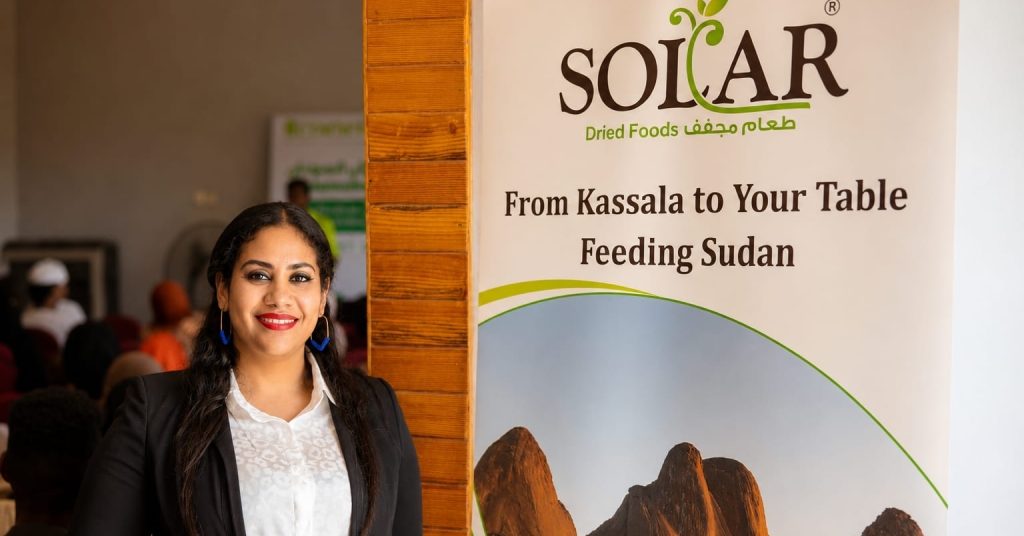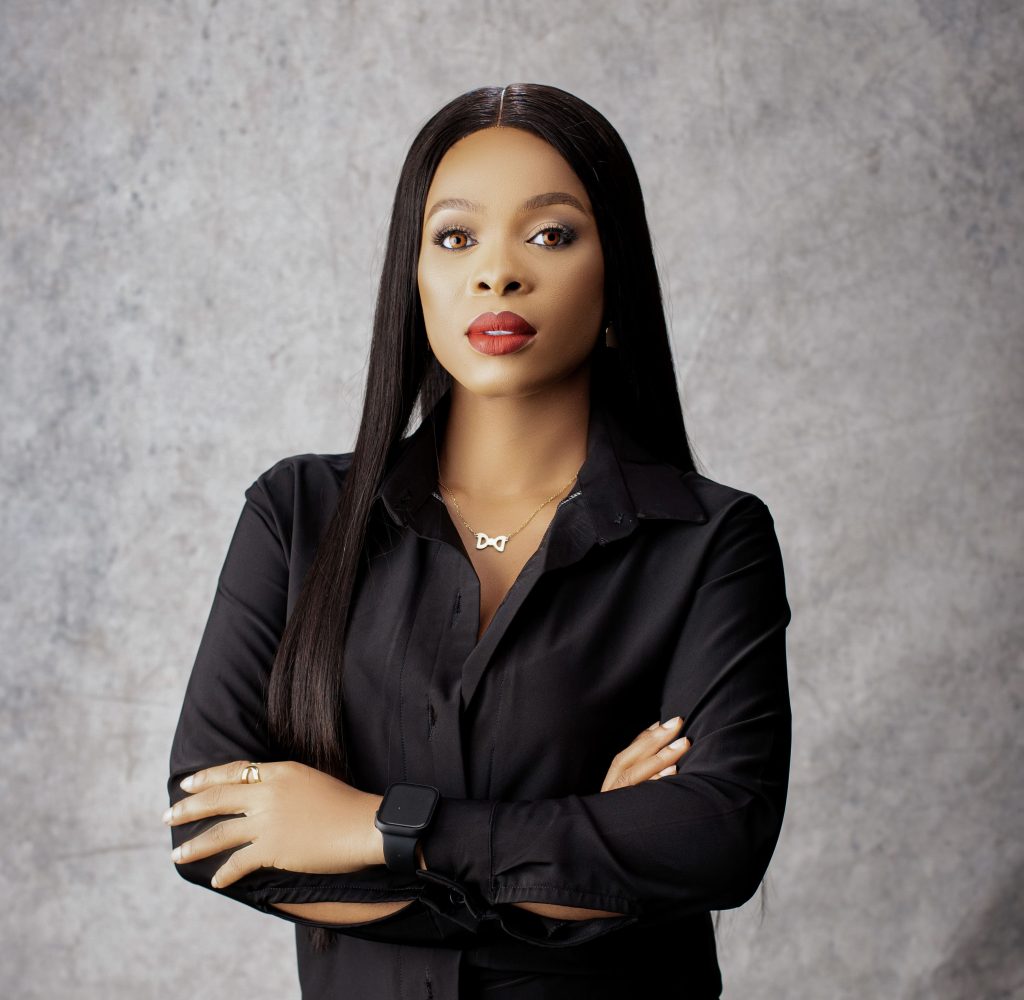
Judith Ifeoma Nwokike is a Lagos-based Product Designer, mentor, and content creator who is passionate about building user-centered digital experiences that simplify life for individuals and businesses. Through her design work and online content, she’s helping demystify product design, empower aspiring designers, and inspire more women to find confidence and purpose in tech.
In this interview, Judith shares how her technical background influences her design philosophy, the importance of trust and accessibility in user experience, and why community and mentorship remain central to her journey as a designer.
Tell us a bit about yourself and what you do.
My name is Judith Ifeoma Nwokike, and I’m a Product Designer focused on creating user-centered experiences that make life easier for people. I’m passionate about knowledge sharing and community growth, and I create content on TikTok to help others learn about design, grow their tech careers, and gain practical insights into the industry. I also mentor aspiring designers, helping them build confidence, enhance their skills, and establish their footing in the tech.
Your journey into product design started from a technical background. How has that shaped the way you approach solving user problems?
Starting from a technical background really shaped how I see design. It taught me to think beyond just how something looks and focus more on how it works. I’m always considering the logic behind the experience, including how data flows, how developers will implement it, and whether it’ll hold up in real-world use.
It also helps a lot when collaborating with engineers because I understand their process and can speak their language. Instead of designing in isolation, I’m able to find that middle ground between what users need and what’s technically possible. That balance makes my design process stronger and more collaborative.
In today’s rapidly digitizing world, users want products they can trust. How do you incorporate trust, clarity, and accessibility into your design work?
Trust isn’t something you design once; it’s something you earn through every interaction. For me, it starts with clarity; if people don’t understand what they’re seeing or what will happen when they click something, that’s the first crack in trust. So, I focus a lot on familiar patterns, simple language, and clear feedback for every action.
Transparency also builds trust. Whether it’s how you handle permissions or guide users, being upfront makes users feel confident. Even explaining why certain information is needed can make a huge difference.
Accessibility ties into that, too. I don’t see accessibility as a checklist about making sure everyone, regardless of ability or circumstance, feels included. When people feel seen and supported, they trust the experience more.
Ultimately, it all comes down to empathy; designing from a place of understanding what someone might be feeling in that moment.
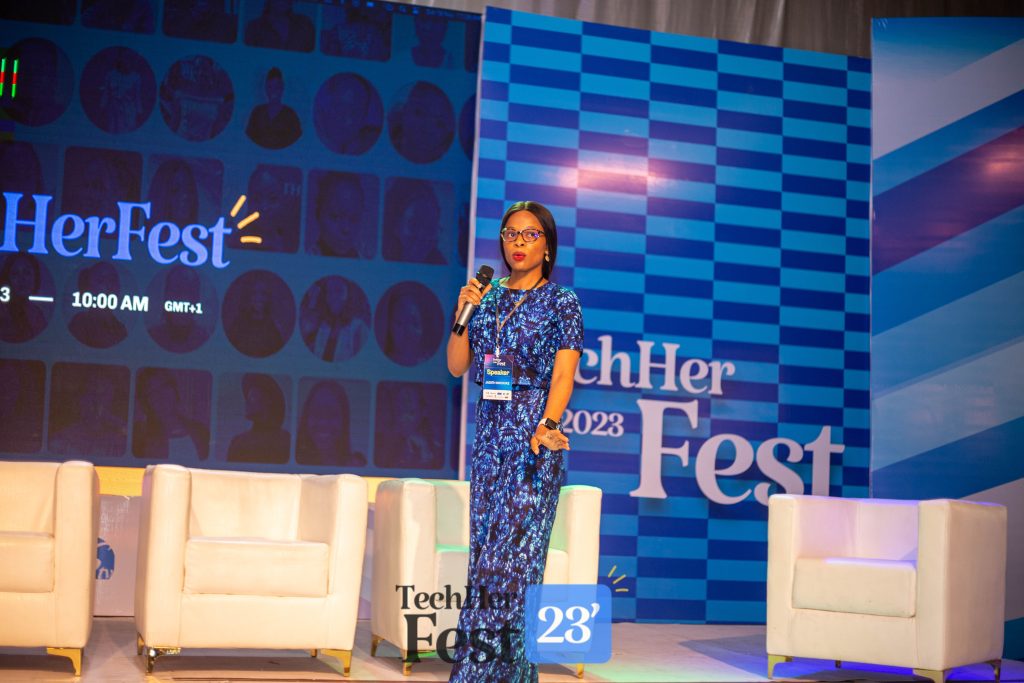
You’re very active in communities that mentor and empower other designers and women in tech. Why is this work meaningful to you?
It’s meaningful because I know what it feels like to start without much guidance. Early in my career, I had to figure things out on my own, and that made me realize how powerful community can be. Having someone who’s been where you are and who can share advice, opportunities, or encouragement can completely change your journey.
That’s why I make time to mentor and support other designers, especially women in tech. It’s not just about teaching design; it’s about helping people build confidence and believe they belong in these spaces.
For me, giving back isn’t separate from my design work; it’s part of it. Design is about solving problems for people, and mentoring is another way to do that, by helping others grow and create their own impact.
What skills and mindset do you think future product designers need to thrive in an evolving tech landscape?
The most important skill is adaptability. Tech evolves so quickly that new tools and trends emerge all the time. You must remain curious and open to learning.
Next is empathy. With AI and automation on the rise, the human side of design will stand out even more. Designers who understand people, their motivations, frustrations, and contexts will always be valuable.
Collaboration is key, too. Design doesn’t live in isolation anymore; the best designers are those who can work with stakeholders while keeping the user at the center.
Finally, having a mindset of impact, being intentional about what you create and why. The future belongs to designers who can balance creativity, empathy, and purpose.
Looking ahead, what impact do you hope to make through your work in product design?
I want to use product design as a tool to create meaningful impact at scale, designing solutions that make technology more human, accessible, and empowering.
My long-term ambition is to work on products that address real challenges across emerging markets, in finance, education, and e-commerce. I believe thoughtful design can bridge the gap between complex technology and the people it serves.
Beyond my professional work, I’m passionate about helping others grow in tech through mentoring and content that offers guidance to those building meaningful careers in design.
Ultimately, my goal is to build a career that combines creativity, impact, and community; to create products that not only solve problems but also tell human stories and leave a lasting mark on the world.