By Nouran ElRefaei, Account Manager, Wimbart
North African countries such as Egypt, Tunisia and Algeria, geographically in Africa but deeply connected to the Middle East through language, culture and politics, have long served as the primary bridge between the two regions. Today, this historical link is entering a new phase, propelled by the growth of startup ecosystems, cross-border investments and market expansions that now connect the entire Middle East, including the Gulf, with Sub-Saharan Africa. This emerging corridor is no longer limited to cultural proximity; it is becoming an increasingly strategic axis for economic development, technology exchange and entrepreneurial collaboration.
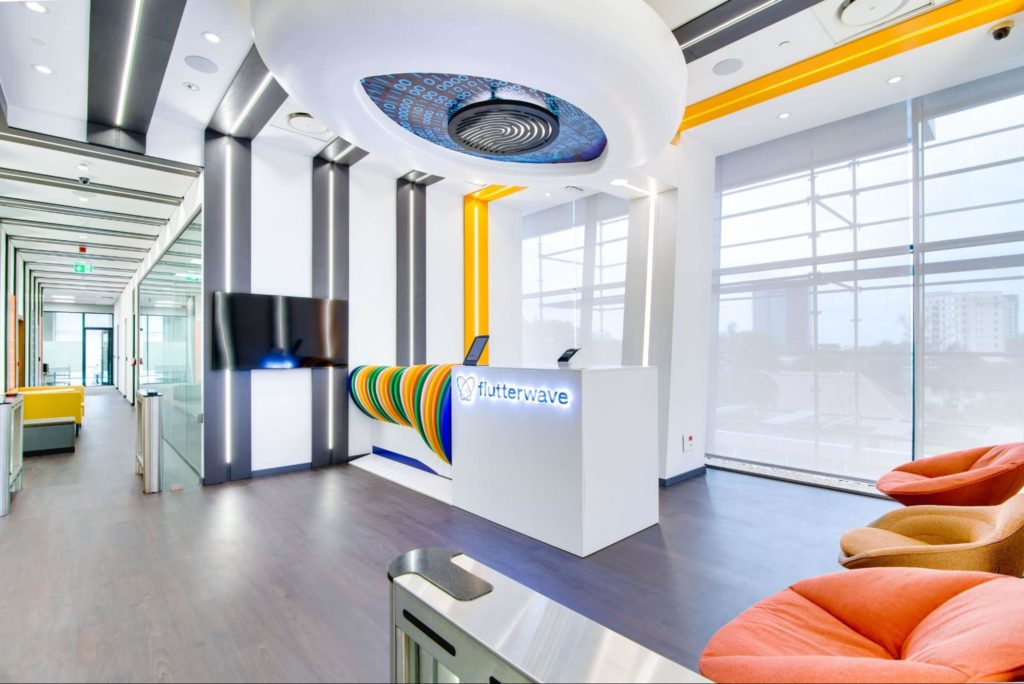
Think, for example, of MaxAB and Wasoko, dubbed the biggest African tech merger, a story that sparked significant attention across both Middle Eastern and African tech circles, with MaxAB’s Egyptian origins and Wasoko’s base in Kenya with operations across Sub-Saharan Africa. Egypt-founded Swvl, despite its early launch and initial failure in Kenya, continues to feature in African press, especially since moving its headquarters to Dubai and going public. Companies like Moove, MNT-Halan, Flutterwave and Jumia, which operate and have expanded across both Africa and the Middle East, have become synonymous within the tech ecosystems of both regions.
The same pattern applies to leading VCs and investors active in either region. Pan-African VC 4DX Ventures, for instance, a well-recognised name in Africa with portfolio companies like MaxAB–Wasoko, also backs Thndr and Trella, both originating in Egypt with expansions into the UAE and Saudi Arabia, as well as Breadfast, an Egyptian company with a soft launch in Saudi Arabia and broader MENA ambitions. These cross-regional investments have made 4DX a familiar name in the Middle East as well. On the other hand, Egypt-based VC Flat6Labs, traditionally focused on the MENA region, recently launched F6 Ventures, expanding its focus to Sub-Saharan Africa with particular interest in Nigeria, Ghana, Kenya and more. Global VC Flourish Ventures has also extended its reach beyond Africa into the Middle East through investments in fintechs such as Flash, Moneyhash and Fuse.
More recently, additional connections between the Gulf and Sub-Saharan Africa have begun to emerge, driven by Gulf nations’ ambitions to diversify their economies and Africa’s position as a natural partner, home to vibrant entrepreneurial ecosystems, rapidly expanding consumer markets and young populations. This is evident in new initiatives such as the UAE’s $1 billion “AI for Development” programme supporting AI projects across African countries, and Saudi Arabia’s $41 billion ten-year commitment to Sub-Saharan Africa announced in 2024, including $25 billion in direct private investment and $5 billion dedicated to startups. Trade flows further underscore this integration: non-oil trade between the UAE and South Africa reached $8.5 billion in 2024, a 14% increase from the previous year and more than double 2019 levels, while trade between Saudi Arabia and Sub-Saharan Africa is now twelve times higher than a decade ago. These trends are expected to accelerate, supported by the African Continental Free Trade Area (AfCFTA), which opens a unified market of 1.7 billion people projected to generate $6.7 trillion in consumer and business spending by 2030.
At Wimbart, we have seen first-hand how this deepening integration is shifting the expectations companies have for media coverage. Most companies and investors operating across either regions are now seeking cross-regional exposure to advance their business goals. They are interested not only in announcing funding rounds, milestones or expansion news, but also in sharing expert insights, establishing consistent brand positioning and communicating their broader vision and impact. They want to highlight the gaps they are solving, showcase the innovation behind their solutions, and demonstrate how their work contributes to both African and Middle Eastern markets. In doing so, they aim to attract investors, form strategic partnerships, engage top talent and inspire peers along this growing corridor.
It is true that cross-sectional reporting between the two regions has increased in recent years, as demonstrated by the examples above. However, most of this coverage remains focused on funding announcements or expansion updates, particularly from larger, more established players. While these stories matter, they often overlook the smaller startups and emerging operators who are driving meaningful innovation and addressing shared market challenges across regions. They also leave limited space for deeper storytelling, contextualised analysis of sector developments or consistent brand-building over time.
Beyond announcements, PR professionals and editors at media houses should expand their appetite for Op-Eds, interviews, founder profiles, sector commentary and operator-led case studies from across both regions. Sharing these narratives not only strengthens individual brands but also supports investors with market insights, inspires founders through shared learnings and accelerates the exchange of knowledge across ecosystems. It also encourages the media to move past the long-standing habit of focusing solely on national stories, reflecting how interconnected the Middle East and Africa’s startup economies have become. This shift is essential. As more companies operate fluidly across both regions, the stories shaping the Middle East – Africa corridor increasingly sit outside traditional geographic boundaries.
Bridging this gap presents a significant opportunity for both media and PR professionals. In an age of AI and automated communication, simply drafting or publishing press releases is no longer enough; relationship-driven, context-rich storytelling is what captures attention, drives engagement and ultimately creates influence and long-term impact. For PR specialists, those who cultivate strong journalist networks across both regions will be best positioned to meet client expectations and support their growth ambitions. For journalists, building relationships with PR teams and operators in both markets opens the door to fresher angles, unique cross-regional perspectives and stories enriched by experiences across diverse contexts.
The momentum behind the Middle East–Africa partnership will only continue to accelerate. Now is the moment for media and PR professionals to evolve with it, embracing a cross-regional approach that ensures the developments shaping this emerging economic axis are visible, understood and leveraged for years to come.