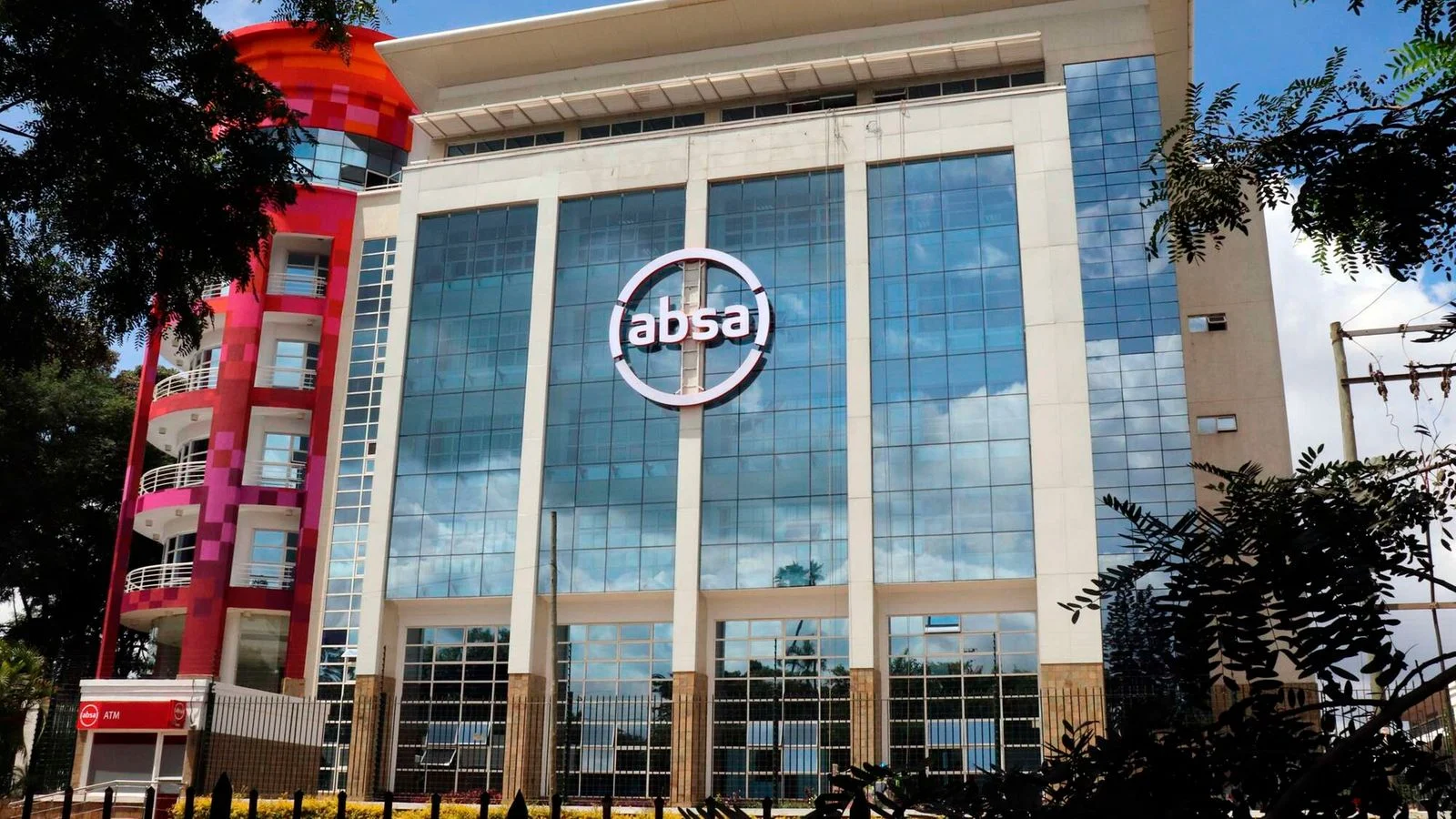
Absa Bank Kenya, one of the country’s largest banks by assets, increased its holdings of government securities by 19% in 2025 as weak loan demand pushed banks to channel more funds into state debt while digital income supported earnings.
Investments in government securities rose to KES 115.1 billion ($890 million) in the year ended December 2025, while customer loans grew just 1% to KES 312.2 billion ($2.41 billion), according to the bank’s investor presentation shared on Wednesday.
Profit after tax climbed 10% to KES 22.9 billion ($177 million) even as lending remained subdued.
The results show how Kenyan lenders are leaning on government paper and fee income as household and business borrowing remains soft, reflecting weak credit demand across the private sector.
Net interest income, which mainly comes from loans, fell 6% to KES 43.3 billion ($335 million). Non-interest income rose 12% to KES 18.1 billion ($140 million), helped by payments, trading, and other transaction-based services.
Those shifts show the growing role of digital banking in supporting bank revenues. About 94% of Absa’s transactions now take place through alternative channels such as mobile and online platforms, according to the investor presentation.
The bank has expanded digital lending through its Timiza mobile platform and increased merchant payments activity through products such as Lipa na Absa, part of a push to grow transaction income.
Non-funded income accounted for about 29% of total income in 2025, up from 26% a year earlier.
The lender also improved the quality of its loan book. Loan impairment charges dropped 32% to KES 6.2 billion ($48 million) during the year.
Lower credit losses and higher fee income helped offset pressure on interest income and supported overall profitability.
Kenyan banks have been navigating a period of cautious credit demand as households face pressure on disposable income and businesses remain selective about borrowing.
Government securities offer lenders a predictable return and lower risk than private-sector lending, making them an attractive option as banks expand digital services that generate transaction fees.