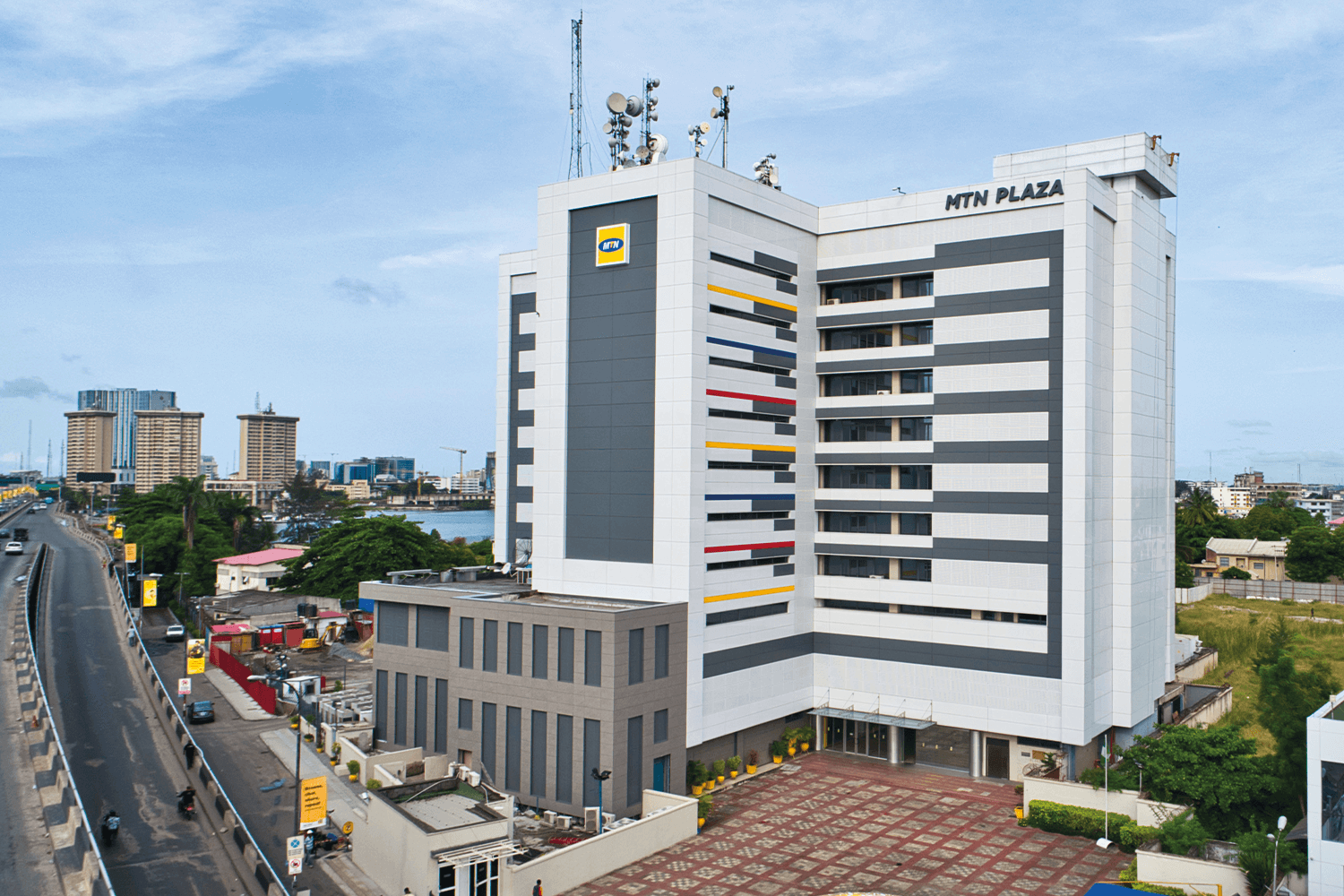
MTN Nigeria, the country’s largest telecom operator, further cemented its dominance in Nigeria’s fixed Internet market in December 2025, adding 13,433 subscribers to its fibre-to-the-home service.
The gains come as smaller competitors struggle to retain users amid growing demand for high-speed, stable connectivity.
According to the latest industry data from the Nigerian Communications Commission (NCC), the losses were particularly sharp for 21st Technologies.
The operator saw its subscriber base drop from 175 in December to just 82 in January, a decline of more than 50% and the first double-digit drop the company has recorded since 2017.
SWIFT Nigeria also recorded a significant exodus of users, with 11,285 subscribers leaving the network. Its total subscriber count fell from 25,484 in December to 14,199 in January, representing a staggering 44.3% decline.
The widening gap between infrastructure-heavy operators and mid-tier players is becoming increasingly clear in Nigeria’s broadband market. Companies with extensive fibre networks and scale can offer faster, more reliable, and broader coverage, leaving smaller competitors struggling to keep up.
The trend signals higher concentration, potential pricing power for dominant players, and mounting pressure on regulators to ensure competition and affordability, especially as consumers rely more on high-speed broadband for work, education, and digital services.
In February 2026, MTN Nigeria drew attention with a record ₦1 trillion ($715 million) in capital expenditure in 2025, a 125% increase from ₦443.5 billion ($317 million) in 2024.
The investment was funded by a return to profitability, with a profit-after-tax (PAT) of ₦1.1 trillion ($786 million) following a difficult 2024 characterised by foreign exchange losses.
The funds were directed toward network modernization, 4G expansion, 5G densification, and an accelerated “deeper fibre rollout” aimed at strengthening connectivity for both consumers and enterprise customers.
Fibre has become central to MTN’s strategy, with deployment focused on high-density urban hubs such as Lagos, Abuja, Port Harcourt, Kano, and Ibadan to accommodate a 34% increase in data traffic.
In 2025, the operator expanded its Fibre-to-the-Home footprint to reach 4 million households while also deploying fibre for backhaul, connecting base stations to reduce network congestion and improve 5G performance. Yet, vandalism remains a persistent challenge for operators. MTN’s 2025 report recorded 9,218 fibre cuts, an average of 25 per day, with 211 base stations impacted.
Other providers, including SWIFT Nigeria and 21st Century, also reported incidents of vandalism and theft in Abuja and Lagos in 2025.