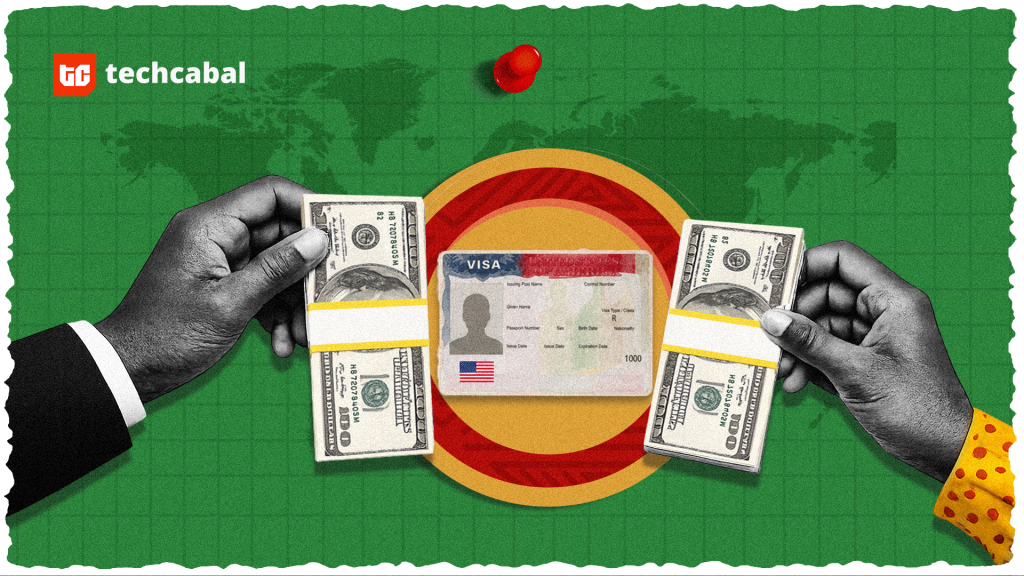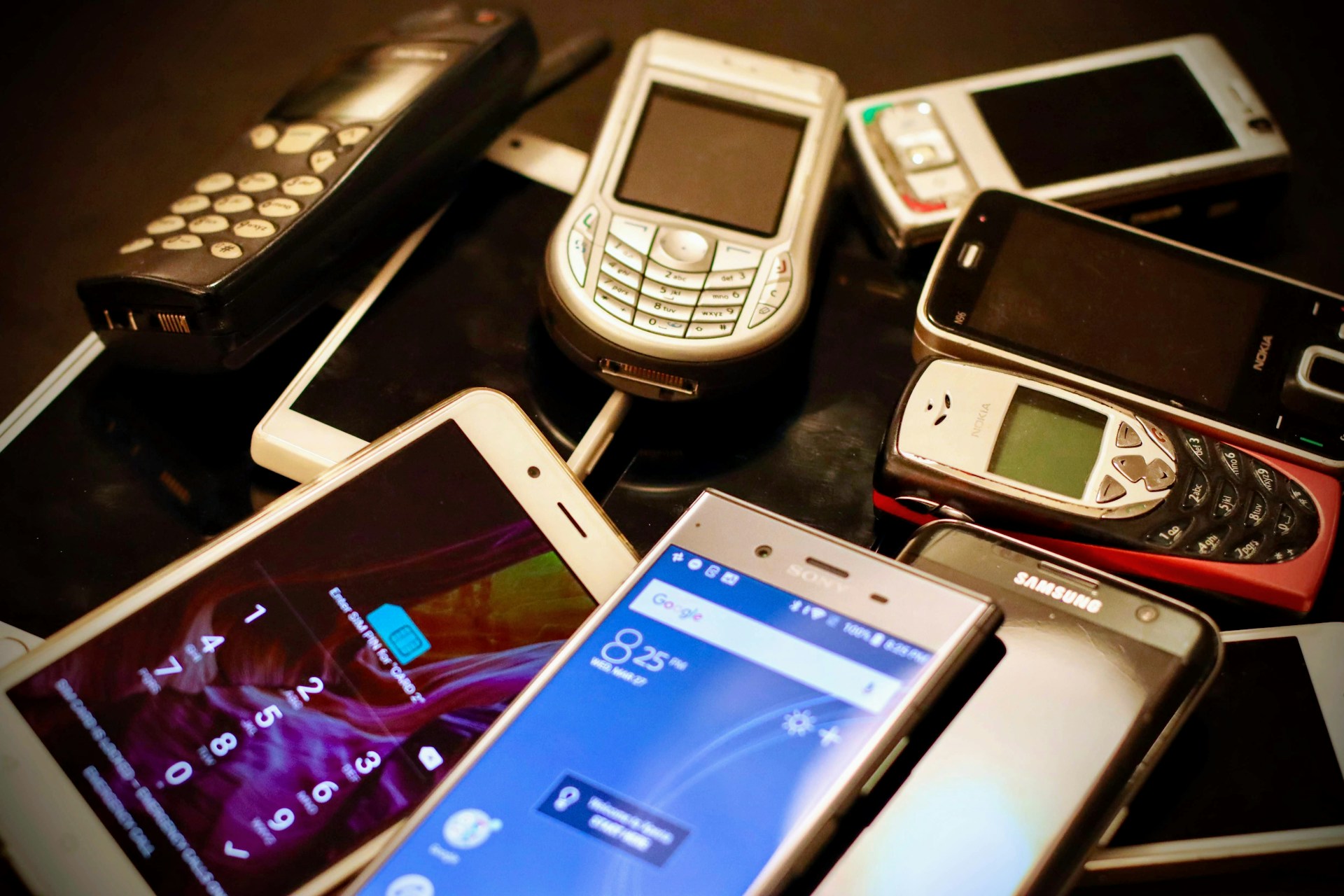
The Government of Cameroon has launched a digital customs system that uses mobile device identification numbers to enforce import duties and curb revenue losses from undeclared electronics.
The system, effective today (April 1, 2026), requires importers and authorised brokers to declare mobile phones, tablets, and other electronic devices through the Customs Administration’s CAMCIS platform.
Each device must be registered using its International Mobile Equipment Identity (IMEI) number, with duties paid electronically before it can be used on local networks.
The reform comes as authorities try to address revenue losses from undeclared electronic imports, particularly by travellers and informal traders who bypass customs checks. Customs officials estimate such undeclared devices cost the government about $21.5 million annually.
By linking device usage to tax compliance through IMEI tracking, the government aims to close enforcement gaps that traditional border controls have struggled to manage.
Customs Director General Edwin Fongod Nuvaga told reporters in a press conference that the system targets these longstanding losses. “It is easy to travel abroad, buy several phones and pass through Customs without declaring them, even though they are subject to duties like any other imported goods,” he said.
According to the country’s Ministry of Finance, the initiative replaces border-based clearance with a technology-driven process that identifies and tracks devices through their IMEI numbers, creating what officials describe as a “digital border.”
The ministry said the reform, based on Article 6 of the 2023 Finance Law, did not introduce new taxes and aims to modernise tax collection while securing public revenue.
Importers and authorised brokers must submit IMEI numbers through CAMCIS and pay duties in local currency via approved channels, including electronic platforms.
The Ministry of Finance said importers remain responsible for clearance, while declarations and assessments will now be processed digitally.
Devices already connected to local networks before April 1, 2026, are granted fiscal amnesty. Tourists using roaming services are exempt, while short-term visitors may access local networks under temporary admission without paying duties.
The Ministry of Finance said distributors have two months to regularise existing stock by providing proof of prior customs clearance.
It also warned that vendors who fail to enable customers to verify the customs status of devices could face liability.
“Authorised vendors and distributors must enable customers to verify the customs status of devices,” the ministry said.
Customs officials said consumers can confirm a device’s compliance via SMS or online platforms before purchase.
They added that only devices cleared digitally, under temporary admission, or covered by fiscal amnesty will be allowed to connect to local networks.
Authorities said the system will also improve security by tackling IMEI duplication and enhancing device traceability.