Nigeria’s master plan to make its eNaira mainstream has not recorded much success. From the unbanked to the banked, Nigerians are not adopting the country’s blockchain money.
“I’ll pay you with eNaira” was my colleague’s way of teasing me about repaying a loan. If he were to pay into my eNaira wallet, I’d have virtually no way of spending the money. Most merchants in Nigeria don’t accept the country’s digital currency, and not many tech-savvy folks are convinced that this blockchain-based money has what it takes for mainstream adoption. Despite the investments of the central bank of Nigeria, Nigerians do not care much about the eNaira, Africa’s first central bank digital currency (CBDC). Mr Tobi Aremotobi, a Lagos-based digital finance expert, refers to the venture as “an exercise in futility”.
Launched in October 2021, the eNaira became the world’s second public CBDC, after the Bahamas’ Sand Dollar project. Two months away from a second anniversary, the digital currency is still struggling with adoption. A recent IMF report showed that the average number of eNaira transactions is about 14,000 per week—only 1.5% of the number of wallets. This suggests that 98.5% of wallets, for any given week, have not been used even once. These numbers reflect a “disappointingly low adoption”.
A use case, please?
Many Nigerians have stressed that the eNaira lacks a use case compelling enough for them. According to the CBN’s master plan, the low transfer fees should drive eNaira adoption among Nigerians, especially among the youth demography who have demonstrated market potential for startups offering digital-first financial services. However, as it turns out, low-cost transfers take less priority than the form in which the money gets moved.
Money can be either cash or digital. And when it’s digital, it can be either centralised fiat or decentralised cryptocurrency. The eNaira—like all CBDCs—doesn’t fit into either category. It introduces a new class of digital money that most Nigerians are only just discovering, right as they are being urged to adopt. The corollary effect, therefore, is hesitation.
“I still can’t wrap my head around why we need another digital means of keeping money that takes away some banking perks,“ Aremotobi said. “If the eNaira remains a means to transfer value or pay my bills online, it is welcome to queue behind the one thousand options I already have.” Aremotobi’s point highlights a conversation crypto evangelists are familiar with: a monetary asset must have compelling use cases beyond being a value store.
Perhaps, the CBN’s response to this line of thought would be in its three-point motivation for the eNaira. Through the digital currency, the apex bank wants to increase financial inclusion, reduce informality, and tap into Nigeria’s expanding remittance markets. The remittance play remains in the works, but the CBN has doubled down on its eNaira-powered financial inclusion agenda. That, however, is yet to demonstrate reasonable traction.
ENaira versus mobile money
According to the IMF report on the eNaira, “Nigeria has a large informal economy….Once the eNaira becomes more widespread and embedded into the economy, it may bring greater transparency to informal payments.” This position highlights the ambitions of the eNaira to simultaneously penetrate the informal market as it strives to power financial inclusion nationwide. Essentially, the eNaira wants to operate with established mobile money frameworks.
To do this, the CBN can take either of two routes: leverage established mobile money networks to onboard CBDC users, or go all out to construct a retail access network. The former model will prevent the apex bank from providing retail banking services, and will require users to route their monies through their mobile money accounts to their eNaira wallets—a model that will come at an extra service cost. The bright side to this model, according to the IMF, is that it de-risks users’ mobile money balances—as the cash typically leaves the accounts of the financial institutions powering the mobile money services.
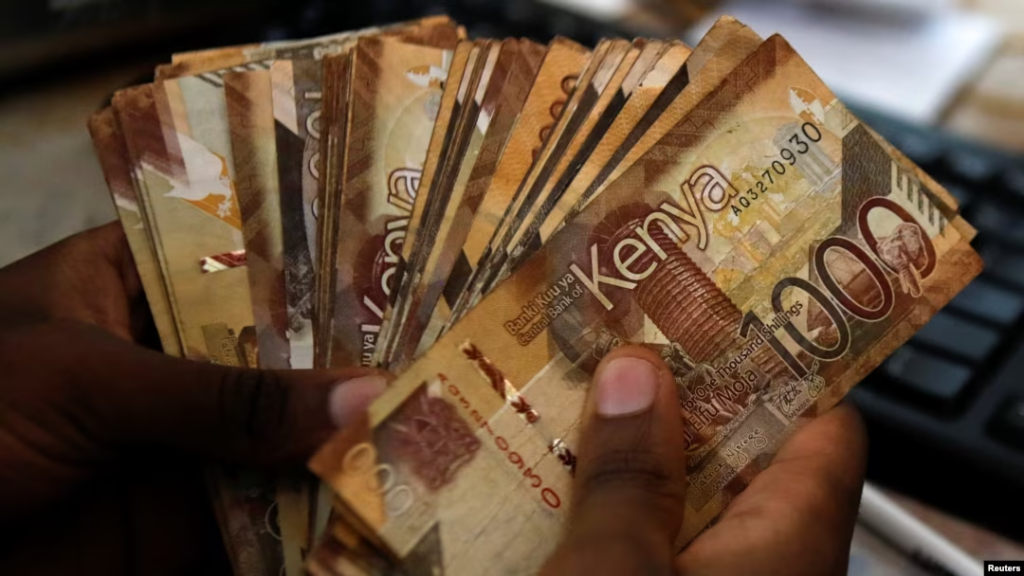
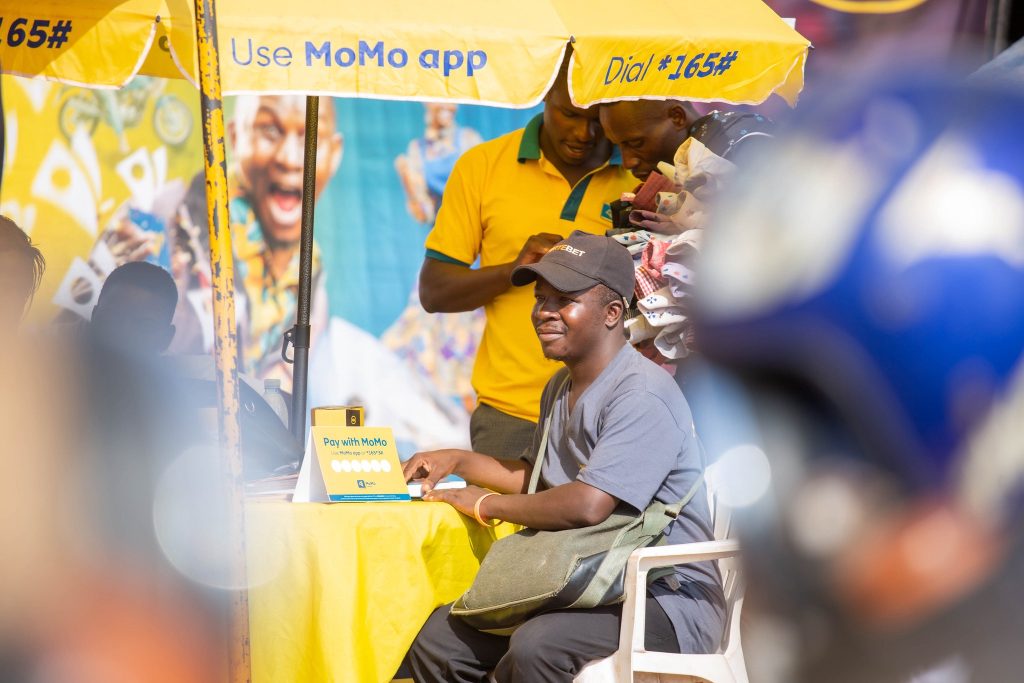
This strategy, despite being the eNaira’s best shot at bagging some financial inclusion laurels, shows a lack of understanding of Nigeria’s mobile money market. Unlike Kenya’s MPESA or Senegal’s Wave, mobile money in Nigeria is not primarily used to hold balances. The country’s leading players—Paga and Opay—are extensively adopted for cash-in cash-out transactions. Payments and transfers come second, and are mostly completed by cash-full customers. Even the option to convert from cash to CBDC wallets is likely to face hesitation as such behaviour is not in line with prevalent consumer trends.
So far, the CBN’s drive to put eNaira on the streets has churned out initiatives like USSD-powered eNaira operations and account tiers for the unbanked. As an added incentive to proselytise the digital currency adoption, thousands of CBN’s staff receive stipends into their eNaira wallets. The apex bank also claims that it has encouraged major supermarkets to adopt payments in eNaira, but big names like Shoprite, Spar, and Addide are yet to demonstrate nationwide adoption. From a financial inclusion lens, these moves by the CBN seem laudable, but the struggling adoption suggests that there’s something still amiss in the strategy mix.
Nosa Oyegun, who leads the product team at Kuda, describes the eNaira’s mission to capture informal markets as an uphill struggle. “Given how it [the eNaira] was rolled out, it’s tall order now. it’ll be hard because of how it stumbled out the blocks. [The rollout] should have been USSD-driven if that was the goal.
From a product perspective, Oyegun believes the eNaira has all the elements needed to be dominant. ”The government is behind the eNaira, there’s hardly any bigger moat than any competitor could ever have,” he said.
Is trust the missing piece?
The CBN and its eNaira have a trust deficit they must overcome. Actions such as the ban on crypto, closure of crypto-linked bank accounts, forex manipulations, and more recently, the naira redesign, have left a negative impression of the apex bank and its policies on most Nigerians. Tech and blockchain enthusiasts who were affected by the crypto crackdown scoff at the idea of a CBN-controlled blockchain currency, and decidedly avoid it. “I am not going to put my money under the full watch of the CBN, not after everything they’ve done to us. I can wake up and realise my money is all gone,” says Tage Okogu, a crypto enthusiast based in Lagos.
As Abraham Augustine argues in this piece, banking in its simplest form is the aggregation of trust transactions. The risk-averse saver trusts in the ability of the bank to keep the money while the bank trusts in its ability to keep the money safe and grow it by taking on risks. When the trust piece is missing on either side, banking collapses. Or—like is the case for the eNaira—fails to go beyond “a wave of limited adoption”.