Nigeria’s inflation rate accelerated to a more than 6-month high in November on higher food and transport prices.
Data from the National Bureau of Statistics on Monday put November’s inflation rate at 34.60%, up from 33.8% reported in October. The median estimate of five economists in a TechCabal survey was 34.01%.
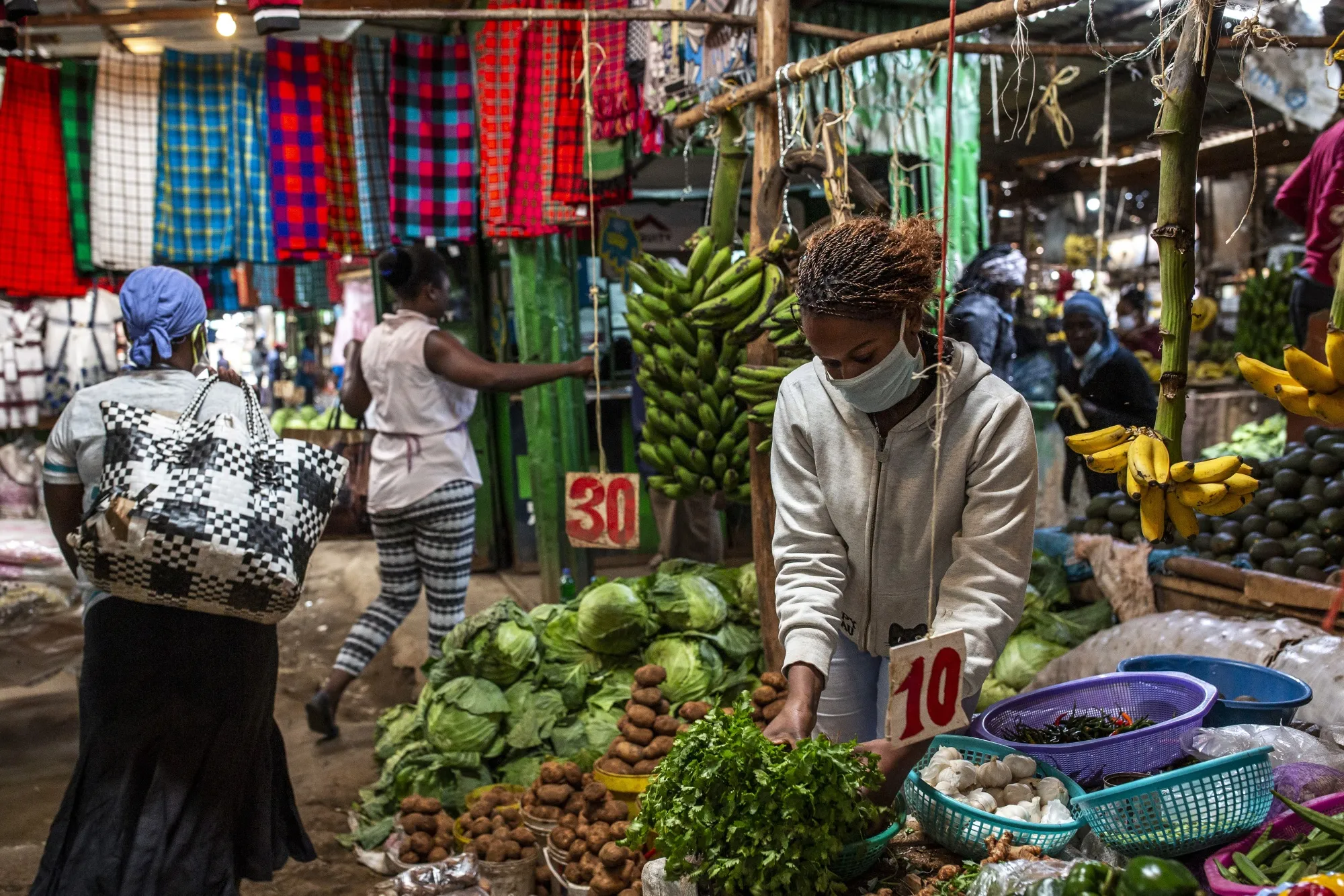
The primary drivers of this surge include rising food prices, exchange rate fluctuations, and increases in transport, housing, and utility costs. November’s food inflation quickened to 39.93% up from 39.16% recorded in October. Although Nigeria’s harvest season helped ease food prices, flooding in key agricultural states like Borno and increased transportation costs due to a fuel hike have reversed those gains. The country’s failure to implement a 150-day waiver on food imports also quickened food inflation.
Analysts predict that Nigeria’s inflation may peak in the coming months, closely followed by a start of disinflation due to the waning influence of fuel subsidy removal and naira devaluation.
“Ultimately, we think the petrol price hikes are already fading, while the impact of the naira’s sharp devaluation earlier in the year is fading too, such that they will drag on prices over the coming months. Inflation as a result will peak over the next month or two, with disinflation starting thereafter,” said David Omojomolo, Africa Economist at London-based Capital Economics.
Omojomolo also expects the CBN to proceed with gradual interest rate cuts from Q2 next year, predicting a 400 basis point cut to 23.5% by the end of 2025.
While a recent surge in fuel prices and floods in key agricultural areas have reversed recent gains in food prices, analysts remain optimistic about the long-term outlook for Nigeria’s economy.
“Despite these challenges, the current scenario presents opportunities for structural reforms. Policies fostering agricultural productivity could address food price surges, while forex stabilisation efforts could restore market confidence,” said Olajide Oyadeyi, an Economics Researcher at The Commonwealth Secretariat.
Strengthening fiscal discipline and diversifying energy sources post-subsidy removal could also enhance economic resilience in the long term, he added.