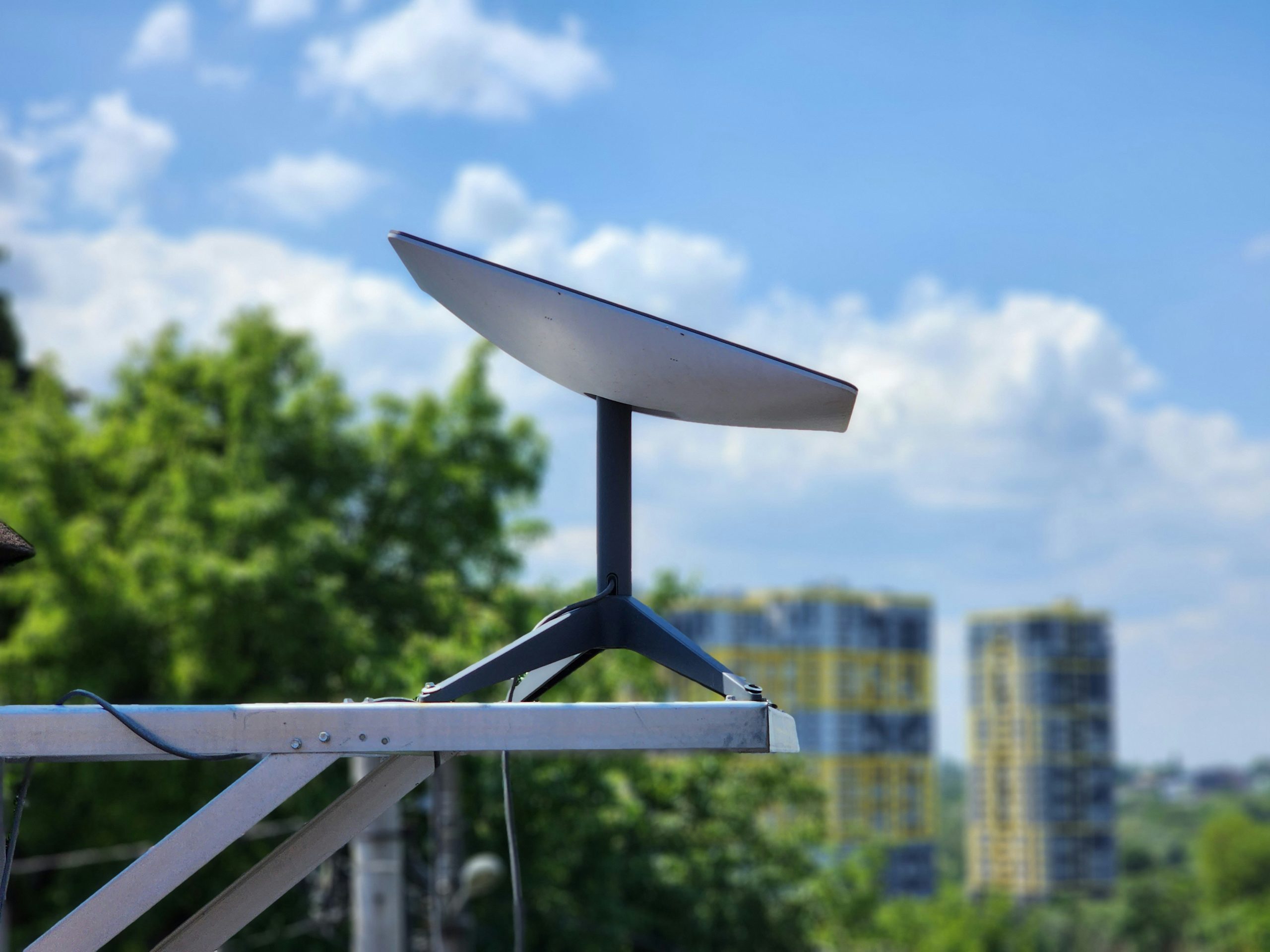
Starlink, the SpaceX-owned satellite internet service, has been unable to onboard new customers in Nairobi since demand exceeded its network capacity in November 2024. Six months later, the freeze is still in effect, leaving users who bought hardware without service.
This growing problem raises doubts about whether satellite broadband can keep pace with demand in dense urban areas. It also signals a mismatch between Starlink’s promise of reliable high-speed internet and the technical and operational limits of satellite networks in rapidly growing markets.
“If we just kept letting people sign up, it would degrade everybody’s service,” Lauren Dreyer, VP Starlink Business, told CNN’s Africa correspondent Larry Madowo in February, when asked why the company paused sign-ups in Nairobi.
At least ten customers in Nairobi told TechCabal they’ve been locked out since late last year, despite buying kits to use Starlink internet services. “I was put on a waitlist months ago,” Eric Maina, a civil engineer in Nairobi, told TechCabal. “I was told that Starlink is over capacity in Nairobi and isn’t accepting new users.”
A spot check in nearby counties, including Kiambu, Machakos, Kajiado, and Murang’a, found the same problem. Several residents have failed to activate their kits because the network is “full” in their areas.
Starlink did not immediately respond to a request for comments.
The issue isn’t new in satellite internet: capacity depends on satellite coverage and ground support infrastructure. Starlink added a ground station in Nairobi that went live in January 2025, a move expected to improve speed and reduce latency in the region. But the congestion hasn’t eased so far, and new users still can’t get online. And while Starlink has ramped up launches—it had 7,135 satellites in orbit by March 2025—demand in Kenya is outpacing what the system can handle.
“I want to install Starlink at my parents’ house, but I cannot because the area is full or locked,” said Isaac Migiro, another customer in Nairobi.
Despite the growing user base, Starlink does not have a local office in Kenya where customers can get updates or support. Communication is limited to online channels, leaving frustrated users with few options when facing delays or activation issues.
Resellers and local hardware suppliers stocking Starlink kits are also feeling the heat. Another spot check by TechCabal found that some supermarket chains such as Carrefour have reduced or cut the sale of the kits. Others, including Naivas, have started offering Safaricom 5G routers, which target the same customer base Starlink is chasing.
“They’re not moving that fast,” Dr. Kanyuira, who runs Essential Accessories, an online electronics shop in Nairobi, told TechCabal. “Sales peaked between June and July last year, but that could change if more capacity becomes available.”
Starlink could also be subject to regulatory pressure in Kenya, which plans to raise satellite internet licence fees from $12,302 to $115,331 and add a 0.4% turnover levy, a move that could squeeze out smaller satellite ISPs such as Viasat and NTvsat.
Recent data from internet analytics firm Ookla showed that users in countries like Botswana recorded median download speeds above 100 Mbps in early 2025. Rwanda and Ghana followed closely with over 75 Mbps. In Kenya, speeds hovered just below 50 Mbps, still more than double most local fibre providers, but well behind the regional leaders.
A full Starlink setup in Kenya costs around KES 30,000 ($232) for hardware and KES 6,500 ($50) monthly for its fastest plan. That’s pricier than local fibre-to-home packages, which go for KES 3,500 ($27) to KES 5,000 ($39) monthly for 10–30 Mbps, depending on the ISP. But most fibre providers don’t serve remote or peri-urban areas where Starlink is supposed to thrive.
By December 2024, Starlink had 19,146 active users in Kenya, up from 16,786 in September, a 14% jump in three months. That growth made it the seventh-largest internet service provider in the country and pushed it past established players like Liquid Telecom.
But new growth may be hitting a wall. A network engineer at one of Kenya’s top telcos, who asked not to be named, told TechCabal the congestion could slow Starlink’s African expansion, especially in urban markets, where it’s gaining more users than in its intended rural base. For now, hundreds or thousands of would-be customers remain stuck, waiting for a service that’s already in their hands but still out of reach.