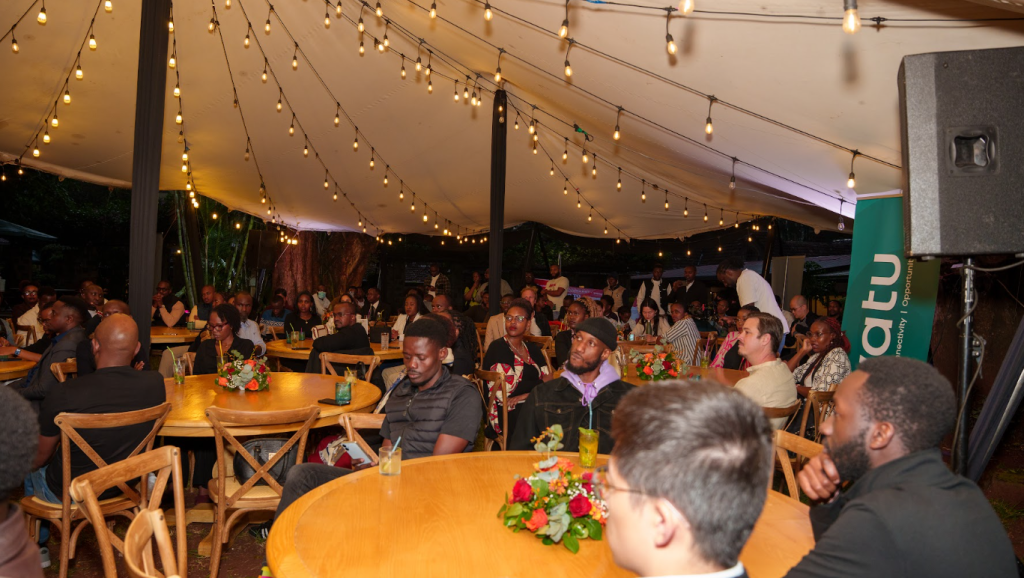


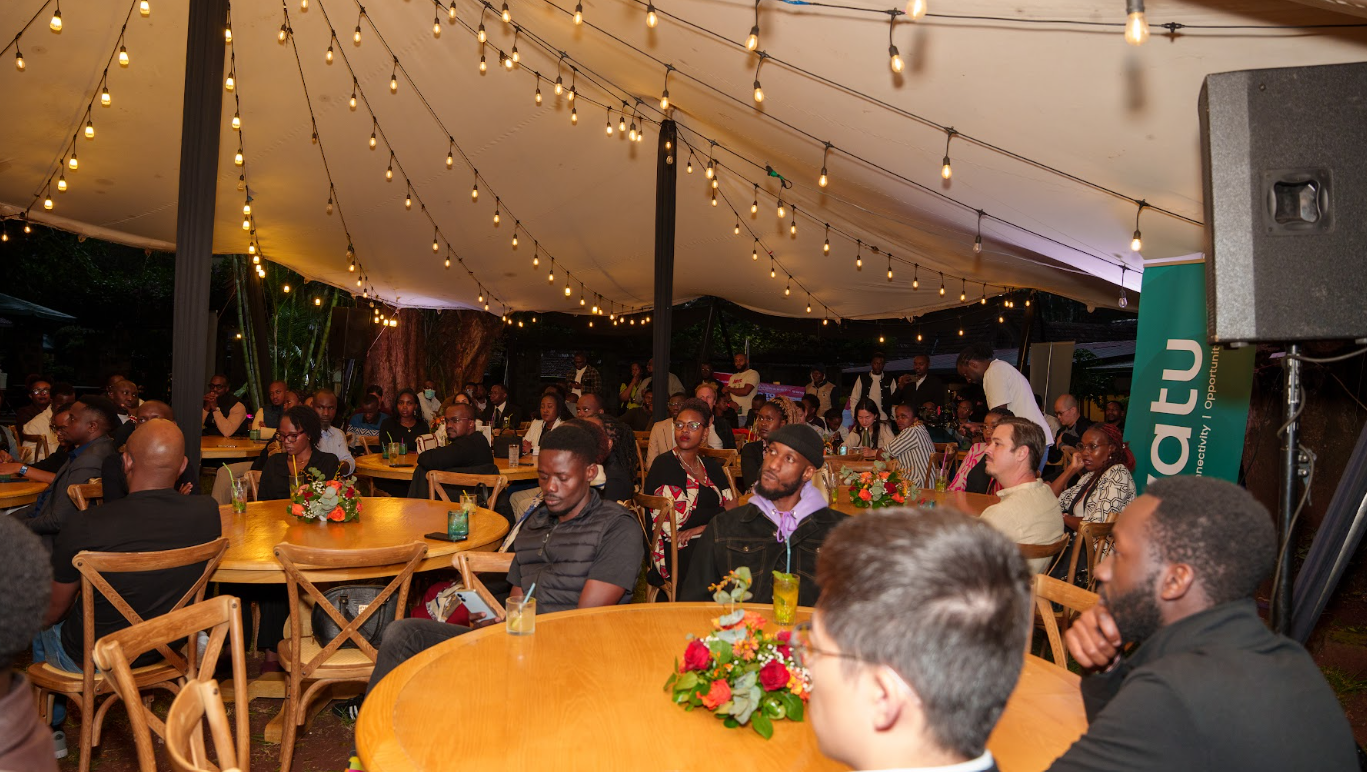
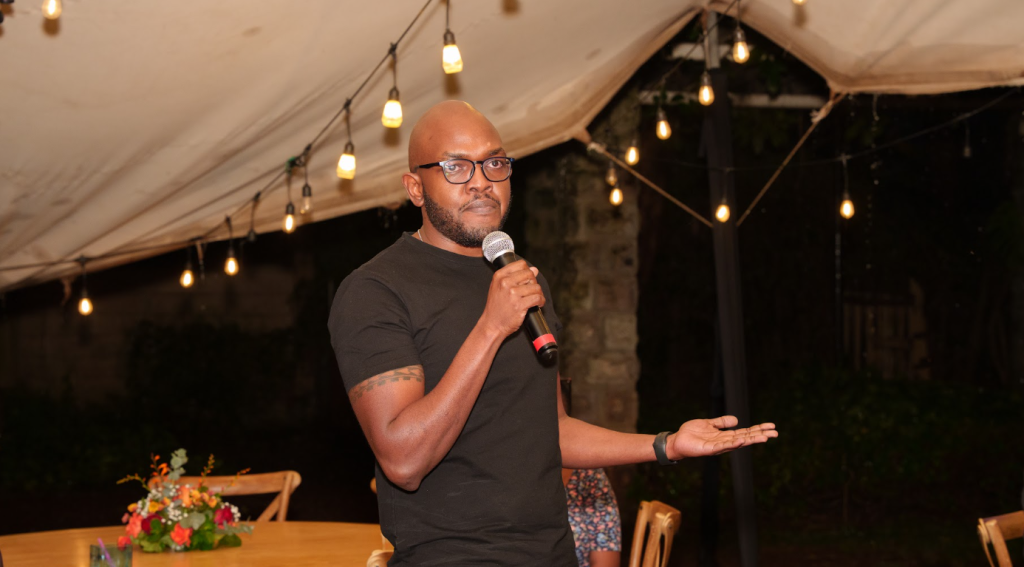
TechCabal brought its Road to Moonshot series to Nairobi on July 2, gathering more than 120 founders, investors, operators, and executives for an evening that felt less like a conference warm-up and more like a temperature check on the direction of the East African technology industry.
Hosted at venture studio Delta40 and supported by Safaricom, PawaPay, Watu, and HoneyCoin as the media partner, the event is part of the buildup to Moonshot 2026, TechCabal’s flagship conference scheduled for October 28-29 in Lagos.
A heavy evening downpour threatened to disrupt the gathering, but organisers moved the networking session indoors, which extended well past 9 p.m. TechCabal’s decision to bring Road to Moonshot to Nairobi reflected Kenya’s growing influence in African technology conversations and its status as a regional hub. Kenyan startups raised nearly $1 billion in 2025, more than any other African market, accounting for almost a third of the continent’s total startup funding.
“The idea behind Moonshot is that we’re not where we’re going. We’re just starting. There are big companies still to be built and big problems still to solve,” Tomiwa Aladekomo, chief executive of Big Cabal Media, TechCabal’s parent company, said during his opening speech.
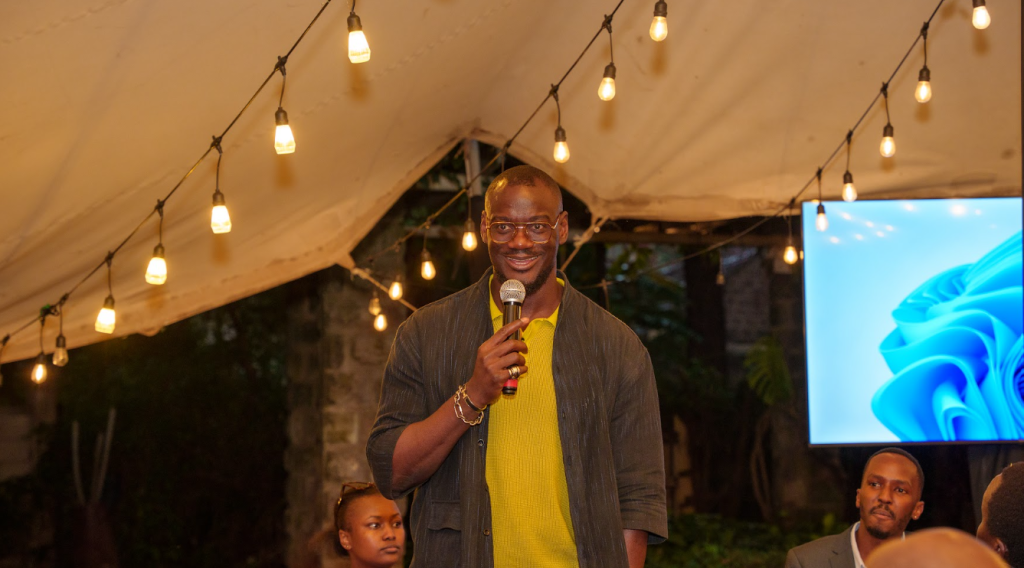
TechCabal has covered Kenya’s technology industry for several years, but Aladekomo said the company is renewing its commitment to the East African market, with an expanded team that includes two reporters, a partnerships lead, and a fourth member joining soon.
“It’s a market that’s important to us. We’ve had reporters here for the last three years covering the innovation and tech ecosystem here,” he said.
Aladekomo pushed back against the notion that Africa’s startup scene is a single market, arguing that “the Kenyan ecosystem is quite different from Nigeria’s. It’s quite different than Cape Town or the rest of the ecosystem. It’s a very distinct one.”
That distinction was evident in both the guest list and the conversations. Founders, investors, startup operators, and corporate executives from companies including Safaricom, PawaPay, Watu, Delta40, DOB Equity, Giraffe Bio Energy, PowerUp, Farmsky Ventures, and Flowt spent the evening discussing the realities of building businesses in East Africa, away from formal presentations and panel discussions.
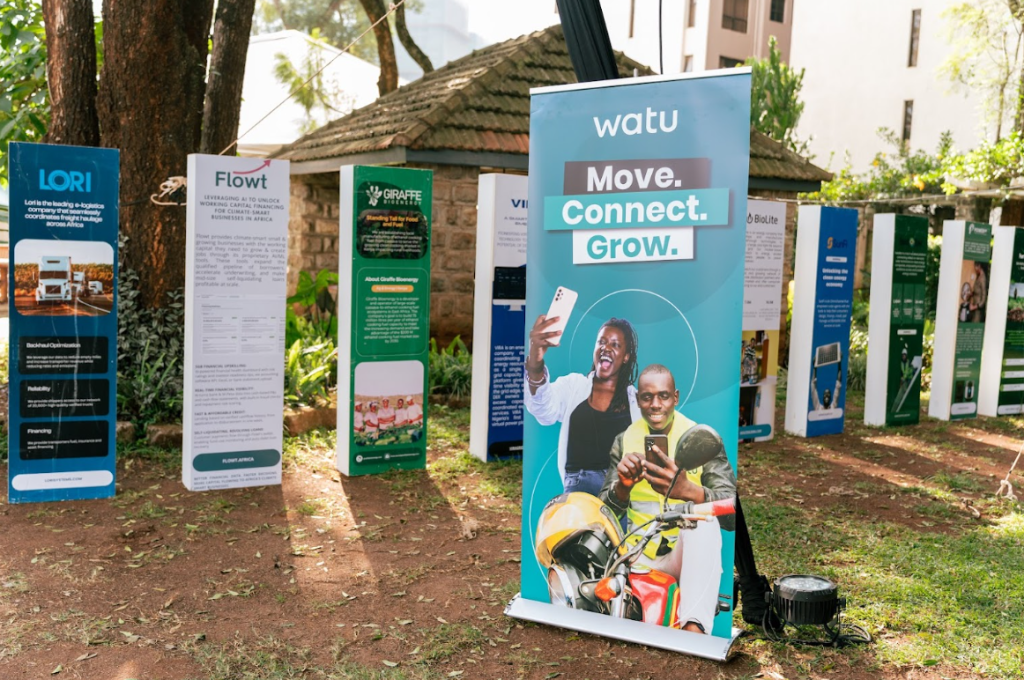

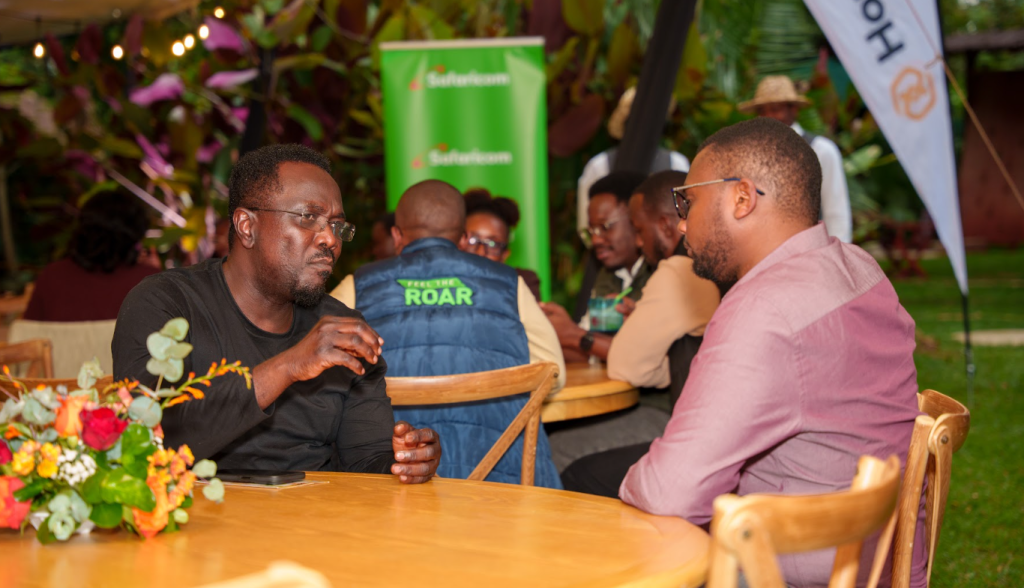


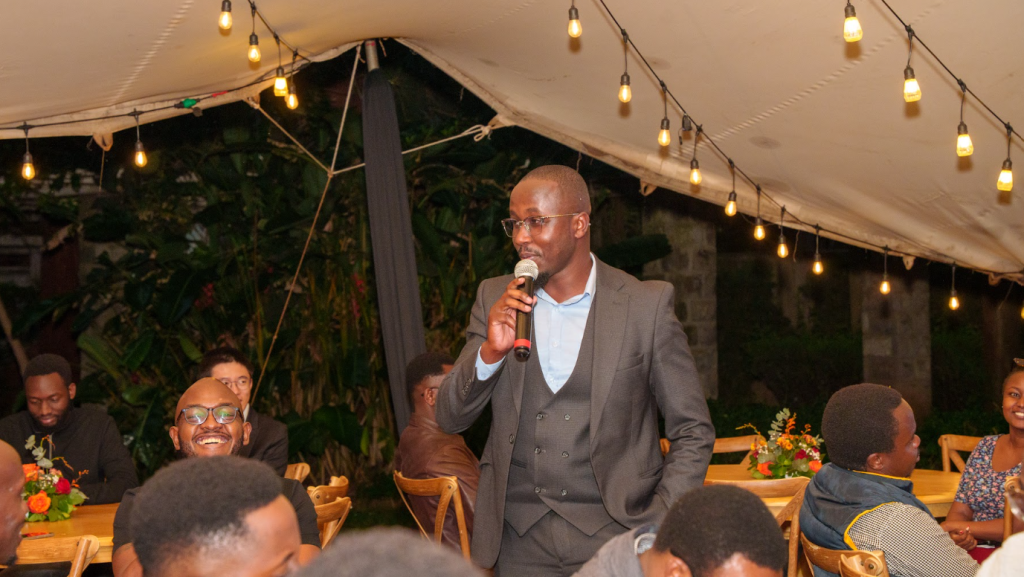
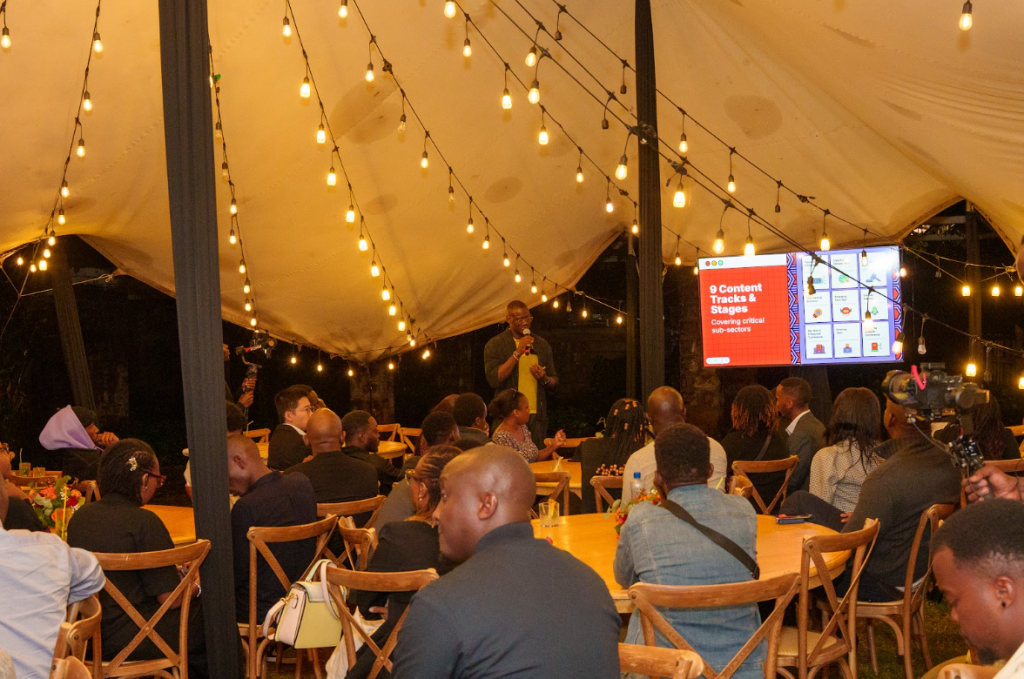
While the businesses represented different industries, many of the challenges sounded familiar. Conversations moved between fundraising, regulation, talent, agriculture, clean energy, and consumer behaviour, revealing how founders often spend as much time adapting to local market conditions as they do building products.
Elana Laichena, founder of Flowt, an AI platform that helps businesses prepare for investment while giving investors tools to assess and monitor companies, said founders need to expect rejection rather than fear it.
“You have to get used to hearing ‘no’ more than ‘yes’,” she said. Rather than treating rejection as failure, founders should use it as feedback to refine their businesses and keep building.
Founders also carry the burden of convincing employees, investors, and customers to believe in ideas that, at least initially, exist only in their heads. Leadership, speakers said, often comes down to communicating the same vision to different audiences without losing clarity or trust.
Obstacles become sharper depending on the sector
Bonface Nyalwal of agritech startup Farmsky Ventures spoke about agriculture, noting that a single failed rainy season can send shockwaves through farmers, processors, distributors, and lenders.
Payment companies expanding across Africa quickly discover that moving money across borders is often easier than navigating the regulations around it.
Freddie Omany, managing director at PawaPay, a cross-border payments company, noted that payments businesses entering new markets often find themselves redesigning compliance processes country by country because regulators interpret money movement differently, even when the underlying transactions are identical.
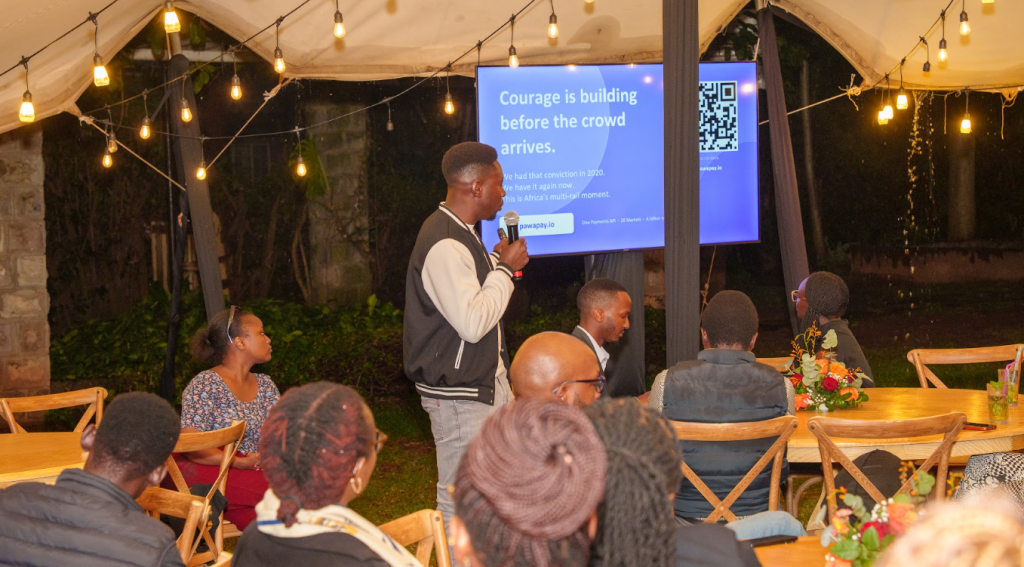
Bart-Jan ter Haar, head of commercial at PowerUp, a clean cooking company, pointed to another challenge that rarely appears in pitch decks: habit. Changing how households cook means competing against routines that have existed for generations. To persuade customers to abandon charcoal, products must do more than reduce costs or improve convenience. They need to produce better results.
Investors also offered their own reading of how Anthony Mahira, investment manager at DOB Equity, a Dutch-backed investment firm focused on East Africa, said East Africa has long been shaped by development finance institutions and concessional capital. What interests him now is the emergence of investors approaching companies with stronger commercial expectations and clearer paths to sustainability.
His work with founders often extends beyond capital. “50%of the founders’ time is spent fundraising,” Mahira said. Reducing that burden allows founders to spend more time with customers and products rather than on investor decks and due diligence requests.
Finding talent still presents another challenge
Many startups simply cannot afford the recruitment budgets or compensation packages needed to attract experienced hires, leaving companies with gaps in key roles during critical growth stages.
The evening’s most ambitious discussion came from Delta40’s portfolio. Portfolio director Sam Mbugua pointed to Giraffe Bio Energy as one of the companies that excites him most, while praising chief executive Linda Davis for building a deeply technical business with national ambitions. The company is building a cassava-to-ethanol operation that stretches from farmers in Kwale County to cultivation and a planned biorefinery capable of producing fuel locally.
The goal is not merely another agricultural business but an attempt to reduce dependence on imported fuel while creating demand for local production.
Safaricom’s contribution pointed in a similar direction, albeit through digital infrastructure rather than industrial infrastructure. The telco highlighted My One App, which gives customers a single place to manage services across Safaricom’s platforms, and Daraja, the APIs that allow developers to build directly on top of M-PESA’s payments infrastructure.
Daraja has become a key part of Kenya’s digital payments stack, giving businesses direct access to M-PESA’s payment infrastructure.
Aladekomo said Moonshot was built on the idea that Africa’s biggest companies are still waiting to be built. Judging by conversations in Nairobi, founders are already working on them, whether in payments, energy, agriculture, or the infrastructure that supports them.
True scale demands moving beyond surface-level integrations to robust execution. We’ve filtered the noise out of Moonshot 2026, optimising the conference strictly for high-calibre connections between startup founders, global financial operators, enterprise leaders and individuals rewiring Africa’s technical frameworks.
Get 20% off Early Bird tickets for a limited time.