As artificial intelligence reshapes the global music industry—powering everything from AI-generated vocals and full albums in the U.S. to virtual idols in South Korea and predictive hit-making in Scandinavia—Nigeria’s music scene remains strikingly slow to adapt. Despite being Africa’s most influential music market, only a few Nigerian artists and producers are exploring AI tools, missing out on a wave of innovation that is redefining how music is created, promoted, and consumed worldwide. This hesitation, if unchecked, could undermine Nigeria’s global cultural dominance in the long term.
So, why is Nigeria lagging behind?
Nigeria’s music industry, which generates over $2 billion annually, has played a central role in the global rise of Afrobeats. Yet, the industry still trails in adopting AI within its creative ecosystem. While Nigerian music has unmatched cultural influence and global reach, the slow AI adoption in the industry, driven by low investments in data centres, higher compute capacity, and internet infrastructure, reveals a disconnect between creative innovation and technological integration across the region.
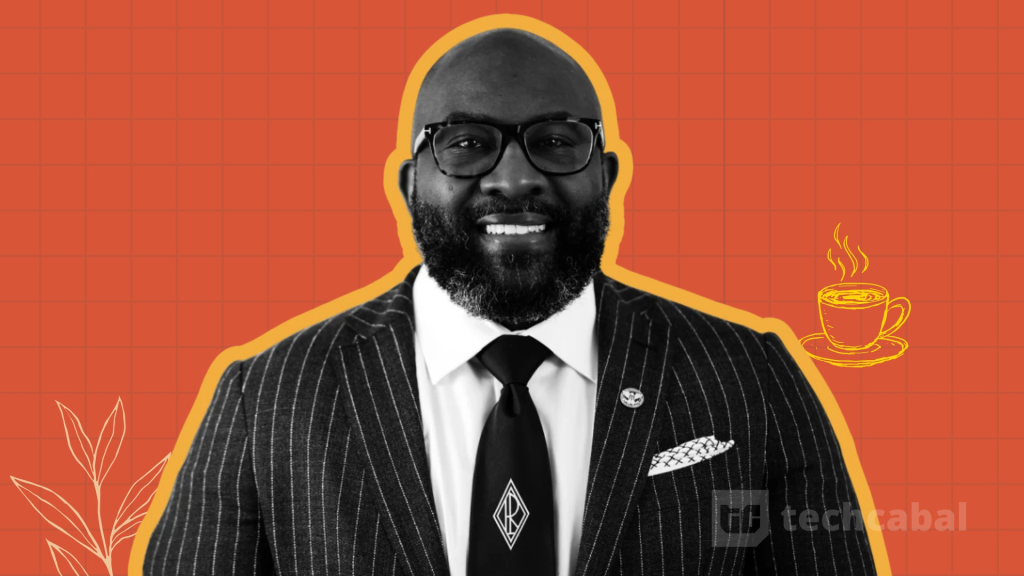
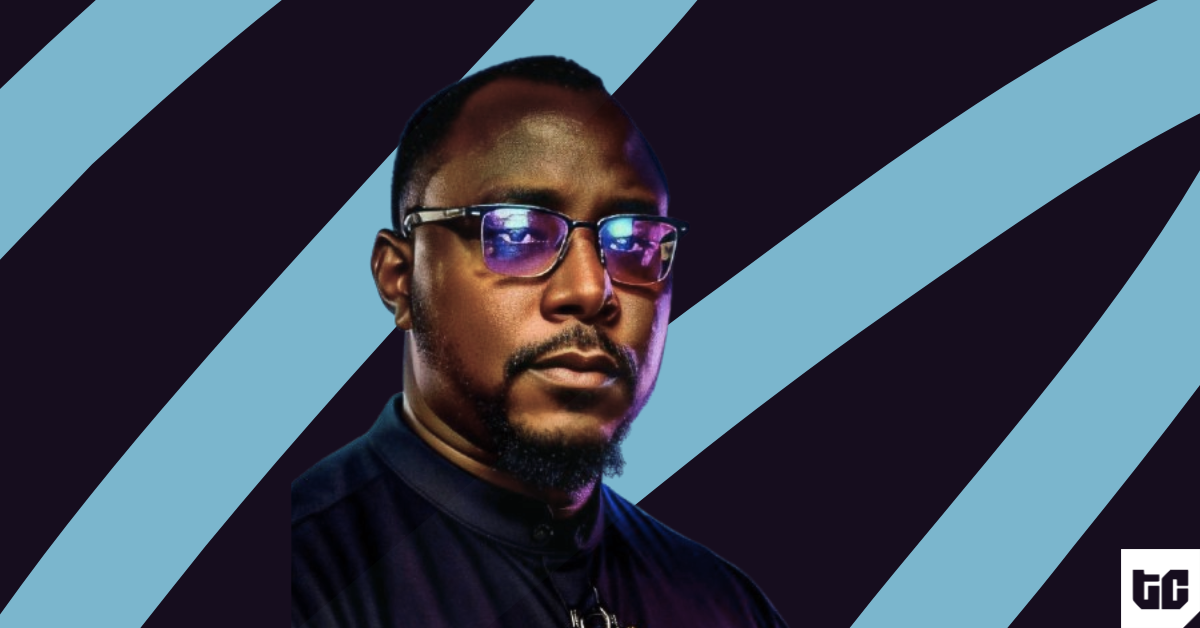
For Nkasiobi Chukwu, who created Africa’s first fully AI-assisted Afrobeats album in 2023 and now serves as Head of Marketing and Communications at Mavin Records, a subsidiary of Universal Music Group with a roster of A-list artists like Rema, Ayra Starr, and Johnny Drille, the reason is both structural and emotional. He describes a blend of frustration and hope, pointing to a local industry still hesitant to embrace tools already reshaping music worldwide.
“One of the shocking things for me is the fact that there are not that many Nigerian artists trying to utilise AI in the space of music,” he told TechCabal in an interview. “Even two years after all the work I’d done and the publicity it got, you just couldn’t find many people besides myself.”
Chukwu, who previously spearheaded the creation of an AI-generated artist named Mya Blue, sees both the immense potential and cultural hesitation. Using tools like ChatGPT for lyrics and co-producer platforms for sound suggestions, he claims to have cut production time from months to three days, spending under $500.
But few have followed suit.
This reluctance stems from a mix of fear, lack of understanding, and deep-rooted ideas about artistic authenticity. “The real answer is emotional,” Chukwu explains. “It’s fear. We thought the creative industry was safe—that it couldn’t be replicated. And it was a shocker to find out it could.”
In Nigeria, there’s a deeply rooted reverence for the soul of music—one tied to cultural ownership, traditional instruments, and the celebrated “imperfections” that define genres like Afrobeats and highlife. Many Nigerian artists and producers view AI with skepticism, believing it cannot replicate the emotional depth of an Igbo folk chant or the spiritual resonance of a talking drum. But this romantic attachment, while valid, may be limiting the industry’s evolution.
Outside Nigeria, African creators are already amplifying their creativity with AI tools. South Africa’s Grammy-winning producer Black Coffee has dabbled in AI for rhythm mapping and genre fusion. Ghana’s M.anifest has experimented with AI to explore alternative songwriting structures. In 2025, Nigerian filmmaker Ope Banwo released Africa’s first AI-generated feature film soundtrack, in which AI handled every aspect from composition to mastering.
Aside from music creation, platforms like Spotify and Boomplay have begun using AI-driven recommendation engines to introduce African music to global audiences. Rema’s “Calm Down” soared past a billion streams, and Asake saw a 400% spike in global plays after being featured on AI-curated playlists like “Discover Weekly” and “African Heat.” Tools like Chartmetric and Soundcharts give artists granular data to optimize tours, target fans, and land brand deals.
These are not gimmicks. They are trailblazing moments that demonstrate AI’s ability to democratise creation and reduce entry barriers.
“You no longer need expensive equipment or years of training. If you have an idea, you can bring it to life. That’s revolutionary,” Chukwu said.
Still, Nigeria’s mainstream industry—outside isolated cases like Mavin Records—is largely passive. And this creates a problem: the risk of falling behind. If African artists do not shape how AI is used in their context, they will be subject to how it’s used on them. Cultural homogenisation, copyright disputes, and loss of agency are real threats if the continent remains on the sidelines.
At Mavin Records, the label is engaging with AI on a structural level. In 2024, Mavin’s Director of A&R, Rima Tahini, spoke at Entertainment Week Lagos about harnessing AI for music production and distribution. The company’s new parent, Universal Music Group, is a vocal advocate for “responsible AI,” partnering with startups and lobbying for artist protections. With Chukwu now at the helm of communication strategy, the label is positioning itself to lead rather than lag.
But Mavin Records alone cannot change the tide.
For Chukwu, the path forward lies in collective effort and better education. “People keep saying, ‘Learn to use AI,’ but if you don’t understand it, you can’t position yourself. We need more people thinking together, not gimmicky projects or total avoidance.”
Looking ahead, AI can offer much more than just convenience. Imagine songs automatically translated into French or Swahili to reach broader African markets. Picture AI tools that pull from archives of African legends, helping young artists rediscover and remix cultural heritage. From market analysis to vocal dubbing, AI could usher in a renaissance if Nigerian artists are willing to lead.
“We’re at a pivotal moment,” Chukwu says. “It’s not just about music. It’s about innovation, identity, and ownership. We can either help shape the future, or be shaped by it.”
For a country whose music already influences global charts, the choice should be obvious. But time is running out.