

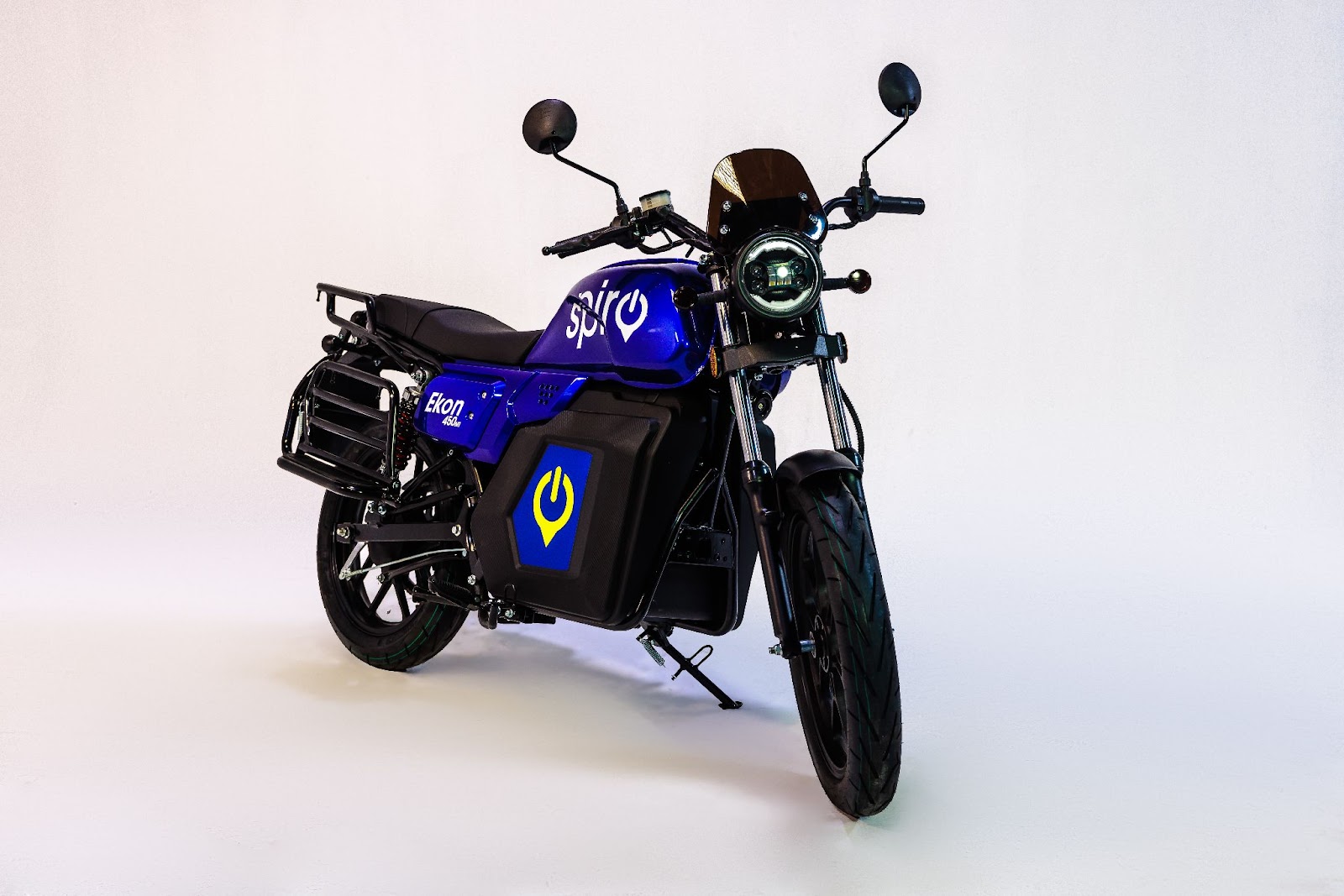
In a continent where mobility is central to economic growth and everyday living, the need for sustainable transportation has never been more urgent. Spiro E-Mobility, a pan-African electric vehicle company, is not just changing how people move — it’s transforming the environmental and economic future of Africa, one electric bike at a time.
Pioneering green transportation across West Africa

With operations in Nigeria, Kenya, Uganda, Rwanda, Benin, Togo, Cameroon and Tanzania. Spiro has deployed over 33,000 electric motorbikes, helping to slash carbon emissions and usher in a cleaner, healthier environment. But the company’s vision doesn’t stop there.
Expansion plans are already underway for Ghana, Ivory Coast, Senegal, Gabon, and Angola, signaling Spiro’s commitment to deepening its impact across West Africa.
Director of West Africa Cluster, Rahul Gaur emphasises that Spiro is not just selling electric bikes; but also building an entire ecosystem of affordable and clean mobility, infrastructure, and innovation.
Tackling Nigeria’s toughest challenges with innovation
Launching an e-mobility company in Nigeria is no small feat. From erratic electricity supply to skepticism about battery life, Spiro resolved the probable concerns. By installing battery swap stations across strategic locations and integrating energy storage systems and solar technology, Spiro has turned challenges into innovation opportunities.

“In Nigeria, we had to start from scratch — building awareness, trust, and infrastructure,” Rahul Gaur explains. “Today, we’re in Lagos, Ogun, Abuja, Delta, Cross River, Enugu, Kwara, Kano, Plateau, and more”. Spiro is looking to expand to states including Oyo, Zamfara, Niger, Benue, Ondo, Edo and Nasarawa.”
Making E-mobility affordable
Spiro’s electric motorcycles are better than fuel-powered ones in three ways:
- Competitive Lower Acquisition Cost: Spiro’s electric bikes are competitively priced, making them affordable alternatives to petrol bikes.
- Fuel Savings:Users save more than 35% on fuel costs by switching to electric bikes, as they no longer rely on fluctuating petrol prices.
- Cheaper Maintenance:Electric bikes have fewer moving parts, resulting in about 40% lower maintenance costs compared to petrol bikes.
Over the product’s lifecycle, riders can save up to 33–35% in total cost of ownership.
Empowering businesses and governments

Beyond individual riders, Spiro is also partnering with state governments and logistics firms. Governments in Ogun, Kwara, and Cross River have already procured Spiro bikes, and more are in talks. Meanwhile, corporate clients enjoy fleet tracking technology that allows them to geofence, monitor, and even shut down bikes remotely through the “Cred Track” platform.
Expanding the portfolio: Three-Wheelers and premium electric bikes -EVs
Recognizing Nigeria’s heavy reliance on tricycles (“Keke”) and other transport modes, Spiro is diversifying. Electric three-wheelers are -currently undergoing field testing and are set to hit the market -soon within 2 months.
And for the urban elite and style-conscious professionals? Spiro is rolling out two premium models — including a Davido-branded limited-edition power bike with a 7-inch touchscreen display, Bluetooth connectivity, speakers, and a battery that lasts 250km on a single charge.
These bikes are named as “Alpha+” and “Davido Collectible”
Policy advocacy and the road ahead
Despite recent gains, the policy environment for electric mobility in Nigeria remains underdeveloped. While VAT has been waived on electric vehicles, Spiro is calling for more targeted incentives — such as free registration on electric mobility , trade-in discounts, and wider public sector support.

“Our bikes are cleaner, smarter, and safer. They can be speed- or time-limited, and they’re built for rugged Nigerian roads,” -Rahul Gaur emphasises. “With more government support, we can scale faster and cleaner.”