Nigeria’s internet service provider (ISP) market suffered its steepest subscriber decline in years with over 18,000 subscribers lost and 18 companies leaving the market between Q3 2024 and Q1 2025, according to new data from the Nigerian Communications Commission (NCC), as rising operational costs and a shift toward cheaper mobile internet eroded the customer base of key players.
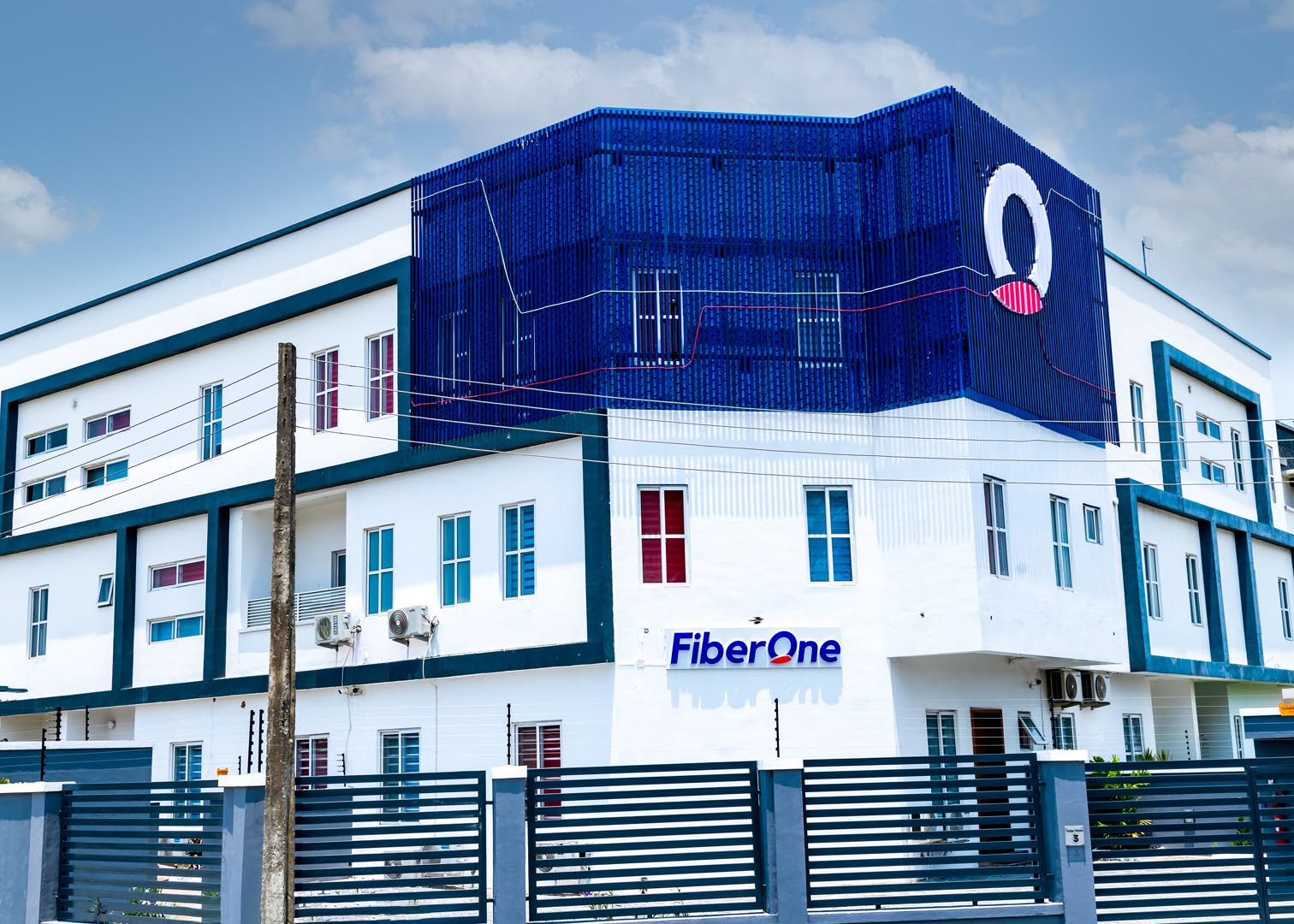
Spectranet, once Nigeria’s leading fixed broadband provider, saw a 2.08% drop in subscribers. Starlink, now the largest by coverage, fell by 9%, while FibreOne faced the steepest decline, losing 42.4% of its subscribers from Q3 2024.
The total number of fixed broadband users in Nigeria declined from 307,946 in Q3 2024 to 289,369 in Q1 2025, indicating the vulnerability of ISPs in a market increasingly dominated by mobile internet.

This downturn reflects a broader shift as Nigerians increasingly favour mobile internet for its affordability. However, while sufficient for casual use, mobile data lacks the reliability and speed needed for services like e-learning, telemedicine, and remote work, raising concerns about Nigeria’s growing dependence on networks ill-suited for enterprise or institutional needs.
“Mobile data is just more accessible,” said one telecom industry executive who spoke on condition of anonymity. “Why pay a premium for fibre or satellite when you can buy a few hundred megabytes on your phone for ₦500?”
Given the tough economic climate, the convenience and affordability of mobile internet make it the default choice for many households. In contrast, fixed broadband typically requires upfront hardware fees, and recurring monthly bills, and is often unavailable in less urbanized areas—factors that severely limit its reach and appeal outside major cities.
When Starlink entered Nigeria in early 2023, it was hailed as a potential disruptor that could bridge connectivity gaps across hard-to-reach areas. But the promise has not fully materialised. Demand has lagged not only in Nigeria but also in other African markets like Kenya, Rwanda, and South Africa. High hardware costs and steep monthly fees have priced it out of reach for average users, while persistent economic pressures across the continent continue to dampen demand.
Despite its global promise to connect the unconnected, Starlink has quickly become emblematic of a wider ISP struggle in emerging markets—high potential, but low affordability.
“Starlink also reviewed their service plan prices in the same period,” said a Starlink retailer who would only speak under condition of anonymity. “Many Nigerians are cutting down on their subscriptions. I know a couple of people who have scaled down on the subs.”
The vanishing middle
By Q1 2025, Nigeria had 234 licensed ISPs, but only 127 had active users. In contrast, there were 252 licensed ISPs in Q4 2023, with just 106 active. This points to a growing collapse of smaller, local providers unable to compete with telcos or absorb the rising operational costs. According to Diseye Isoun, CEO of Content Oasis, an ISP, the implications run deeper than mere subscriber counts.
“At the end of the day,” he said, “ISPs are treated as peripheral, but they are critical to the broadband ecosystem—especially for schools, hospitals, and local businesses. What’s missing is policy—not just investment—that ensures ISPs can serve strategic access points.”
Isoun advocates for a hybrid model, drawing inspiration from Brazil’s Telebras, a state-backed initiative that funds broadband access in schools and clinics via partnerships with private ISPs. Rather than allowing the free market alone to dictate internet access, Telebras ensures guaranteed minimum connectivity where it matters most.
Why ISPs still matter
While mobile networks have taken the lead in internet access, ISPs remain critical to Nigeria’s long-term digital infrastructure. They provide the stable, high-capacity last-mile connectivity required in environments such as universities, hospitals, industrial parks, and tech hubs—places where mobile data simply isn’t enough.
“You can’t fix connectivity in a university with just mobile internet,” said Isoun. “You need permanent infrastructure, service-level guarantees, and someone on the ground when a power surge knocks out the indoor router.”
Yet despite this need, Nigeria lacks a coherent policy framework to support ISPs in delivering these essential services. Agencies like the Universal Service Provision Fund (USPF), under the Nigerian Communications Commission (NCC), have struggled to meet growing demand due to limited funding and weak execution capacity.
“There is no structured effort to guarantee connectivity in strategic sectors,” Isoun adds. “What if we redirected a portion of cash-transfer programs or subsidy savings to fund broadband access in schools and health centers through vetted ISPs?”
The continued decline of ISPs, coupled with an overreliance on mobile network operators, risks creating a market imbalance and a developmental gap. While mobile broadband is sufficient for light browsing and messaging, it falls short in powering e-learning, telemedicine, cloud computing, and remote work at scale.
One potential path forward could be consolidation. ISPs may need to merge, form consortia, or seek public investment to survive and scale.
“We may need a solution similar to what was done with the banking sector: mergers, acquisitions, IPOs, SEC listings,” suggests Nnamdi Richards, a telecom industry expert. “That could help stabilise some of them financially. We’re in the rainy season now, and lightning strikes and flooded communities. This is a nightmare for small ISPs without the capacity to cope.”
Editor’s Note: This article was updated on July 18, 2025 to reflect FibreOne’s comments that the Nigerian Communications Commission’s Q1-2025 subscriber figure (19,000) is inaccurate. The company has requested a correction from the regulator. We will update this article when the NCC publishes revised data.
Mark your calendars! Moonshot by TechCabal is back in Lagos on October 15–16! Join Africa’s top founders, creatives & tech leaders for 2 days of keynotes, mixers & future-forward ideas. Early bird tickets now 20% off—don’t snooze! moonshot.techcabal.com