Picture this:
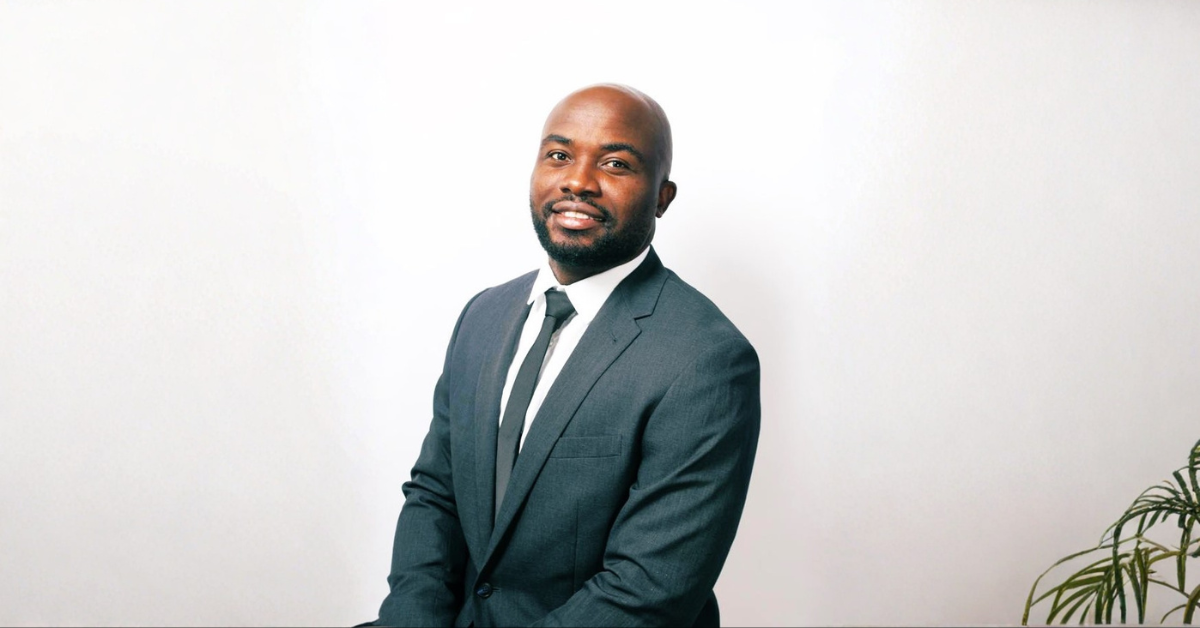
It’s May 2024, the morning sunlight streaming through Zion Pibowei’s Lagos office window, as he stared at yet another headline about generative AI and large foundation models. But something felt hollow. Despite all the buzz, he couldn’t shake the feeling that real change was still just out of reach.
The gap between the Silicon Valley hype and the African reality is remarkably vast, like watching a movie about flying cars while sitting in your Uber, stuck in Lagos traffic.
There’s a particular kind of frustration that comes with knowing the future is already here, but not equally distributed. For Zion, a data science leader with a decade of battle scars from building data and AI solutions across Nigeria and Africa, that frustration had a name: the Artificial Intelligence talent gap. Not the kind you read about in McKinsey reports, but the real, breathing gap between brilliant minds with no bridge or coherent resource to build on, potentially trapped behind paywalls and geographic barriers.
“Everyone was talking about GPT-4, ChatGPT and Gemini,” Zion recalls, “but when you looked around Nigeria, you would find software engineers trying to learn how to implement AI systems from disconnected YouTube videos and abandoned Coursera courses.” The resources existed, but they felt fragmented. Disconnected from each other and from the real needs of African developers.
That frustration sparked something transformative: AI Summer of Code (AISOC). What started as one man’s dream to democratise AI education has become a movement that’s quietly rewriting the rules of how Africa should approach AI implementation.
The Eureka Moment That Changed Everything
Sometimes the most profound ideas emerge from the simplest conversations. In June of 2024, Zion shared his concerns with his long-time friend, Sam Ayo, another AI builder wrestling with similar frustrations. It was like two puzzle pieces finding their perfect fit. Both had been developing AI systems for real-world applications, and both had witnessed the disconnect between global AI discourse and African implementation needs.
“We had this ‘Eureka’ moment!” Zion explains. “We realised that it was beyond just the technical gap but had a lot more to do with community. We needed to create a space where someone in Ibadan could learn from someone in Silicon Valley, where practical knowledge meets cutting-edge ideas, where careers are born.”
The timing was perfect; it was still summer, after all. Hence the name, AI Summer of Code. What followed was a masterclass in building something that matters: a comprehensive, “no-BS” artificial intelligence summer program that would run through August 2024, connecting global AI experts with African talent hungry for real, applicable knowledge.
Season 1: Making dreams a reality
The first edition of AI Summer of Code was ambitious in the way that only truly necessary ideas can be. Drawing participants from nearly every continent, including Australia, it created a global classroom with a distinctly African heartbeat. The program wasn’t just about teaching AI engineering; it was about building bridges.
Consider Akolade Hamzat’s story. Before AISOC, he was yet another talented Nigerian developer with AI aspirations but no clear path. At one point, he had considered switching to mobile development to refuel his passion, but then he discovered AISOC. Around 12 weeks after the program, he landed his first international role as a Senior AI Engineer. In his words, “The experience from AISOC directly contributed to landing my first full-time international role.” This success deeply echoed the program’s core promise, that geography shouldn’t determine opportunity.
Or take Benedict Ejelonu, juggling a 9-to-5 while desperately trying to upskill. AISOC’s rich blend of rigour and technical excellence became his lifeline. Armed with practical knowledge from the program, he entered an AI competition and placed second missing first place by just 0.5 points.
“AISOC didn’t just meet expectations, it far exceeded them,” says Kelvin Johnson-Chu, capturing what many participants felt, “the value delivered was immense and practical.” These aren’t coincidencies. They’re proof points in a larger argument, that when you combine world-class instruction with an African growth mindset, magic happens.
But perhaps Chris captures the bigger picture: “AISOC Season 1 was incredibly robust, both theoretically and practically. It exceeded expectations. There’s a lot of noise out there, but this is the right place to start.”
There’s a lot of noise out there. In an ecosystem drowning in AI promises and get-rich-quick tech courses, AISOC is cutting through the noise with radical substance – technical excellence, real mentorship, actual results. AISOC wasn’t another theoretical bootcamp. It was experiential learning built around practical use cases, the kind that matters when you’re building AI solutions for Lagos traffic or Kampala agriculture. It was the convergence of global expertise grounded in African realities.
What makes AISOC remarkable isn’t just these individual success stories (though they’re compelling enough), but the community effect. Kingsley Ibekwe puts it perfectly: “I’ve joined many tech programs, but AISOC was different. The guidance and hands-on learning helped me land an AI internship and start earning through gigs shortly after.”
The program achieved what most educational initiatives struggle with. It built a community that outlasted the curriculum. Participants not only learned and mastered skills in AI engineering, but also became part of a vibrant network that continues to create opportunities, collaborations, and success stories.
Season 2: Building on solid ground
Success has a way of raising expectations, and AISOC 2.0 is answering the call with the confidence of a program that knows it works. This summer’s edition isn’t just bigger, it’s more intentional, more targeted, more aware of its power to transform careers and communities.
The structure reflects this maturity: 4 specialised, career-focused learning pathways designed to meet diverse AI interests and career aspirations. Whether you’re drawn to machine learning fundamentals, fascinated by large language models, or eager to build the next generation of generative AI applications, there’s a path designed for your journey.
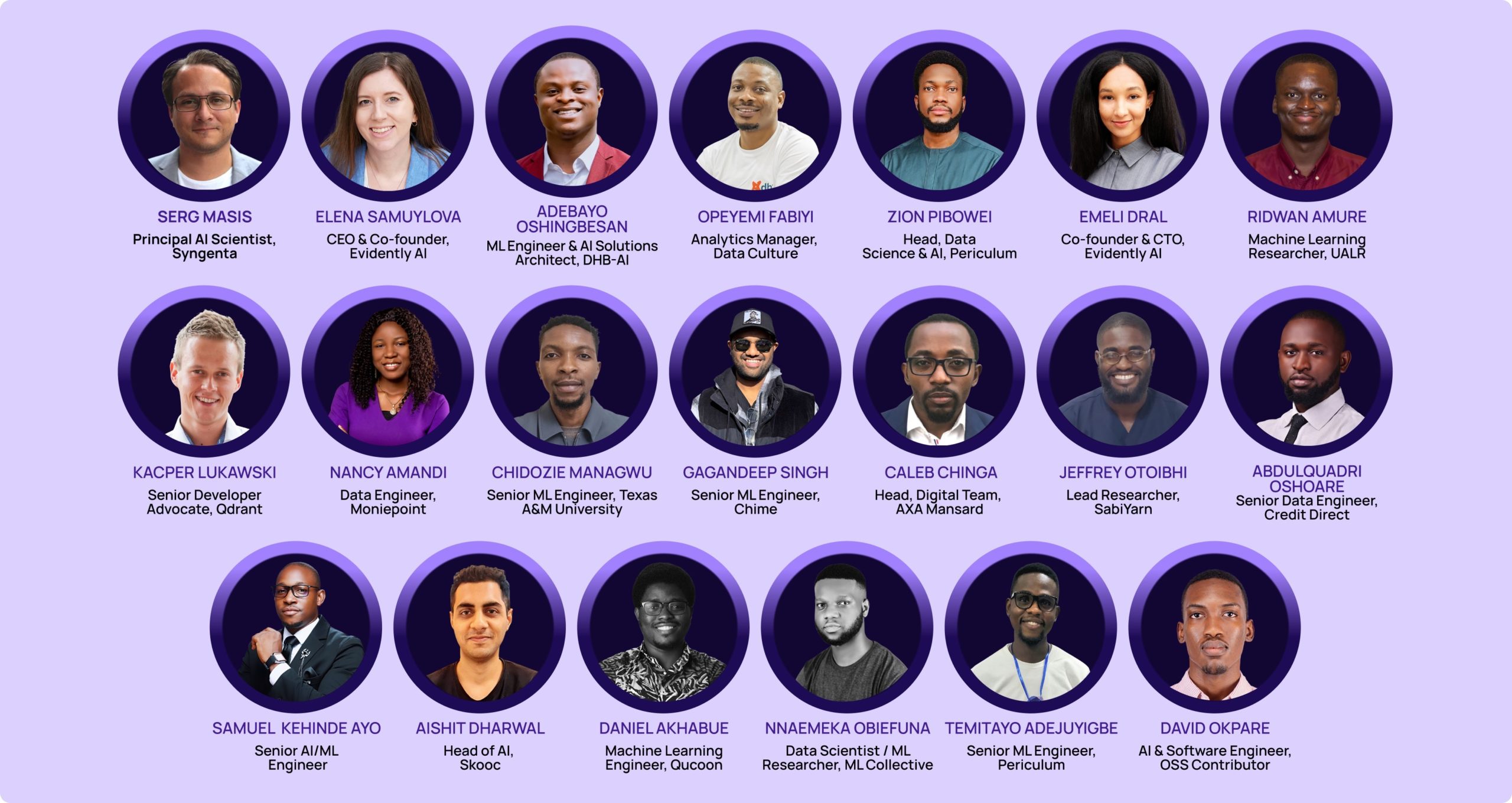
The expert faculty lineup reads like an AI enthusiast’s dream list, with globally recognized practitioners coming with best practices from working at the forefront of machine learning and AI engineering. But this isn’t about star power for its own sake. It’s about ensuring that African AI builders learn from the best while maintaining the practical, application-focused approach that made Season 1 so effective.

The timeline also tells the story of AISOC’s ambition: 7 weeks of immersive, hands-on learning, followed by 2 months of mentorship and project guidance. Four months in total. Four months that could reshape a career, launch a startup, or bridge the gap between potential and impact.
The response from the AI community has been overwhelmingly positive, but success brings responsibility. Can AISOC maintain its practical focus while expanding its reach? The early signs are promising. The curriculum is more sophisticated, the community is stronger, and the track record speaks for itself. But most importantly, the mission remains clear as day: bridge the gap between AI potential and AI reality, one summer at a time.
A movement for the future
More than anything, AISOC proves that democratised excellence is possible, that community can compete with capital, and that the fundamental assumptions about where AI innovation happens, who gets to participate, and what pathways to expertise look like, can be challenged.
As community members consistently note, AISOC doesn’t just democratise technical skills; it builds confidence, breaks down self-doubt, and provides clarity on AI career pathways. In a field often shrouded in complexity and gatekeeping, this psychological transformation might just be as valuable as the technical impact.
Zion’s original frustration, the gap between AI hype and implementation reality, hasn’t completely disappeared. But AISOC has proven that gaps can be turned into bridges with the right vision, execution, and community. Gradually, AISOC is reshaping the African AI ecosystem from being just a consumer of innovation to being a creator.
The summer of 2025 promises to be transformative, not just for AISOC community members, but for anyone watching the evolution of African technology and AI talent. When opportunities knock, AISOC alumni will be ready.
AISOC 2.0 registration closes soon. For a community that believes geography shouldn’t determine opportunity, the next chapter is about to begin. Don’t miss out on it!