Howdy.☀️
I worked out of my favourite restaurant yesterday, and somehow, it was an unusual, chaotic mismatch of vibrancy, busyness, and, eventually, getting little done. Welcome to a Monday in my life. Thank goodness for music in my ears.
Speaking of music, Spotify may have hit profitability for the first time ever in 2024, but it isn’t messing about retaining those numbers this year. Starting in September, the music streaming market leader will raise subscription prices for premium plans globally (except in the US… yet).
South Africans will reportedly pay up to R70 ($3.9) for premium (more details in this newsletter). In Nigeria, it will cost ₦1,600 ($1.05)—a pretty penny for your expensive music taste. Take me back to the VCD days.😩
– Emmanuel

Companies
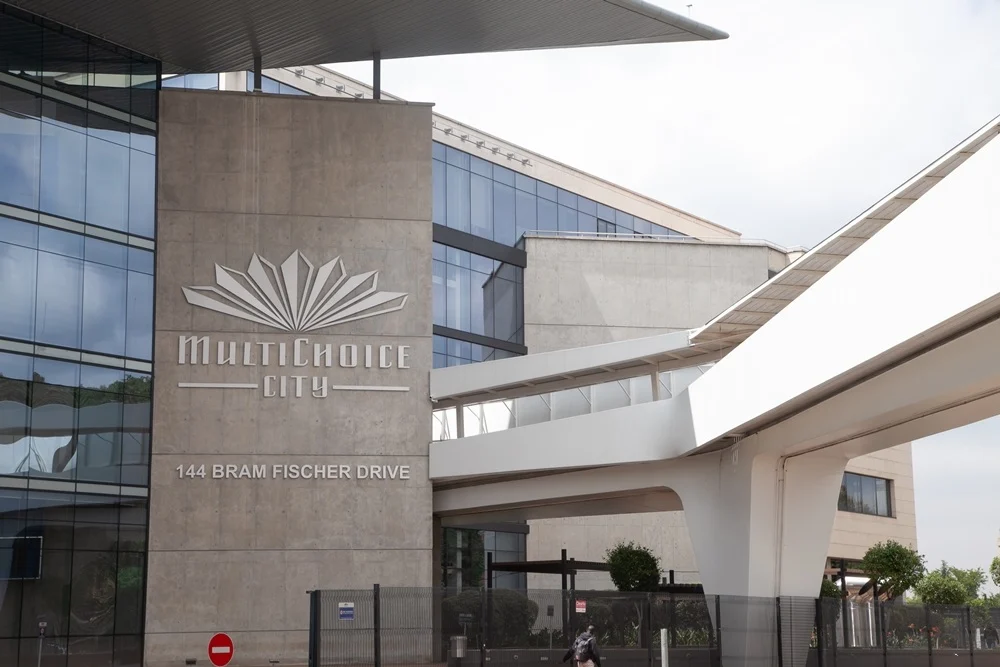
MultiChoice carves out South African unit to clear the path for Canal+ deal

MultiChoice, South Africa’s pay-TV giant, is restructuring its business to stay onside with local laws and push through its $2 billion sale to France’s Canal+.
State of play: The company is creating a new, independent entity—LicenceCo—that will hold its South African broadcasting licences and customer contracts. By South African law, foreign ownership in broadcasters is capped at 20% voting rights. LicenceCo will be majorly owned by local groups, including empowerment vehicle Phuthuma Nathi, the MultiChoice Workers Trust, and black investment firms linked to executives like Sipho Maseko (former Telkom CEO) and Sonja De Bruyn.
MultiChoice will keep a 20% voting stake and 49% economic interest in LicenceCo. The group is also planning a R1.375 billion ($77 million) extraordinary dividend, of which R343.75 million ($21 million) will go to Phuthuma Nathi shareholders.
Between the lines: The restructure was a condition for regulatory approval of the Canal+ deal, which received conditional approval on July 23. MultiChoice has also committed to keeping jobs, protecting smaller players, and investing in local content for at least three years after the deal closes.
The bigger picture: Beyond the corporate reshuffling, MultiChoice is effectively selling off 26% of its stake in the new LicenceCo and 15% in signal distributor Orbicom—bringing in new long-term shareholders and deepening black ownership. At the same time, the company gets to hold on to its licences, comply with local rules, and unlock global scale through Canal+.
It’s a balancing act: Meet local rules, keep global investors happy, and move fast enough to survive the streaming wars.


Paying 2% or more on every transaction adds up fast.

For businesses in e-commerce, logistics, travel, fintech, and more, every naira counts. Fincra helps you save more with 1% NGN fees capped at ₦300. Ideal for high-value or high-volume transactions. Get started for free with just your email address!
Fintech
Ethiopia bans four US-based money transfer companies over illegal remittances
In a bold move targeting illicit remittance flows, Ethiopia’s central bank has blacklisted four diaspora-serving platforms operating without licenses.
The National Bank of Ethiopia (NBE) has banned Shgey Money Transfer, Adulis Money Transfer, Ramada Pay (Kaah), and TAAJ Money Transfer—all U.S.-based firms popular among Ethiopian communities in Maryland, Virginia, and Minnesota. These firms are accused of operating without licenses and facilitating illegal cross-border flows, including money laundering. TAAJ, notably, pleaded guilty in U.S. court to violating the Bank Secrecy Act after moving $66M without proper reporting.
The NBE now warns that funds sent via unlicensed operators may be seized or undelivered, and urged U.S. authorities to investigate.
Here’s why it matters: The crackdown underscores rising regulatory pressure but also the unresolved tension between official policy and black market demand. In 2022, Ethiopia received over $4.2 billion in remittances—5% of GDP. But many operators remain unregistered in state or federal databases, despite moving large volumes.
The move has drawn both support and pushback. Critics point to the 30%+ spread between the official (134 birr/USD) and black market (170+ birr/USD) rates, which keeps users locked into informal networks. The NBE now lists 88 licensed remittance providers on its website and says regulatory compliance is no longer optional.
Zoom out: Ethiopia’s decision is part of a continent-wide push to strengthen oversight and combat illicit cross-border transactions. For instance, in June 2025, the Bank of Ghana (BoG) officially blacklisted 10 unlicenced money transfer operators, including Ace Money Transfer, Remit Union, Remit Home, Monty Global, Monty I‑Transfer, Eversend, HuruPay, Izi Send, Roze Remit, and others.
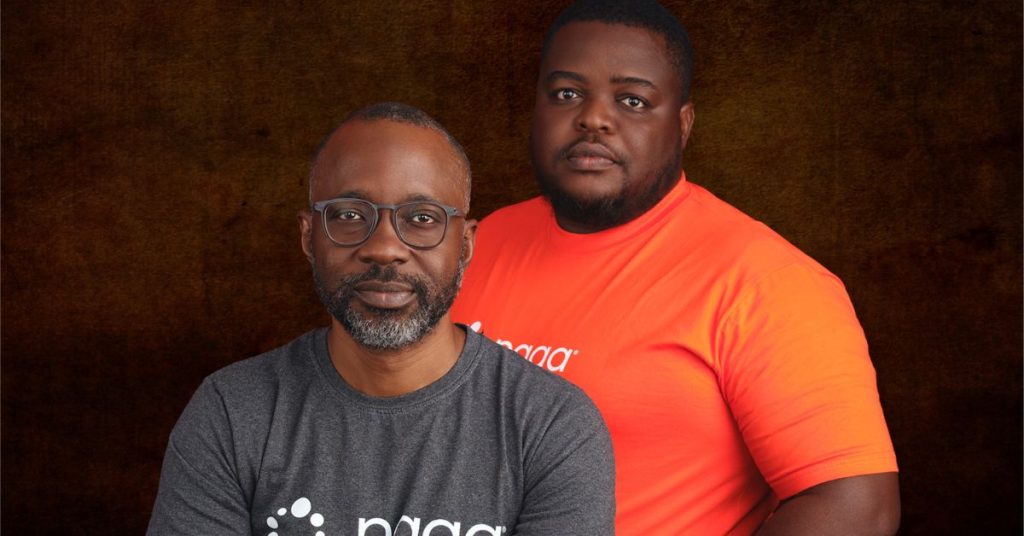
Paga Engine powers the boldest ideas in Africa

You’ve got customers, but do you have the right infrastructure in place? Don’t let outdated systems hold you back. Paga Engine is the fintech backbone built for businesses like yours. Read the full article.
Banking
KCB, Equity Bank increase investments in their Tanzanian subsidiaries

KCB and Equity Bank, two of Kenya’s biggest multinational banks, will inject fresh capital into their Tanzania banking subsidiaries.
Per Zawya, Equity will pump $20 million into its Tanzanian business, and another $10 million into Uganda, where capital requirements were recently hiked sixfold to USH 150 billion ($42,000). KCB, meanwhile, will redirect some of the proceeds from the near-complete sale of National Bank of Kenya (NBK) to Access Bank into its Tanzanian arm.
This isn’t new. Both banks have previously invested in their regional subsidiaries to either meet new capital rules, fund growth, or stabilise operations. In 2020, for instance, Equity injected over KES 3.4 billion ($32 million) across Uganda and Tanzania.
What’s in Tanzania’s water? The country’s banking sector is riding a strong growth wave. Banks’ total assets grew by 26.7% in Q1 2025, on the back of low inflation and better currency stability. Non-performing loans (NPLs) have also dropped from 9% to 3.3% in the last five years, boosting the confidence of lenders. The average capital adequacy ratio (CAR) stands at 21%—well above the 10% regulatory floor. That means there’s more room to lend, expand, and compete.
State of play: KCB and Equity Bank are positioning for the sector’s growth. More capital will allow the banking subsidiaries to grow their loan books and make more profits. In 2024, KCB Tanzania reported $48.6 million, up by 20% year-on-year; only Rwanda and DR Congo made more money in the same period. With such growth, it makes sense that KCB wants to cut its losses from the NBK sale and pour into a moving train like its Dar es Salaam subsidiary.
These new investments show that Tanzania isn’t just a side bet. It’s a market both banks want to win. The bigger question now is: who will move faster?
Accept in-person payments with Paystack Virtual Terminal!
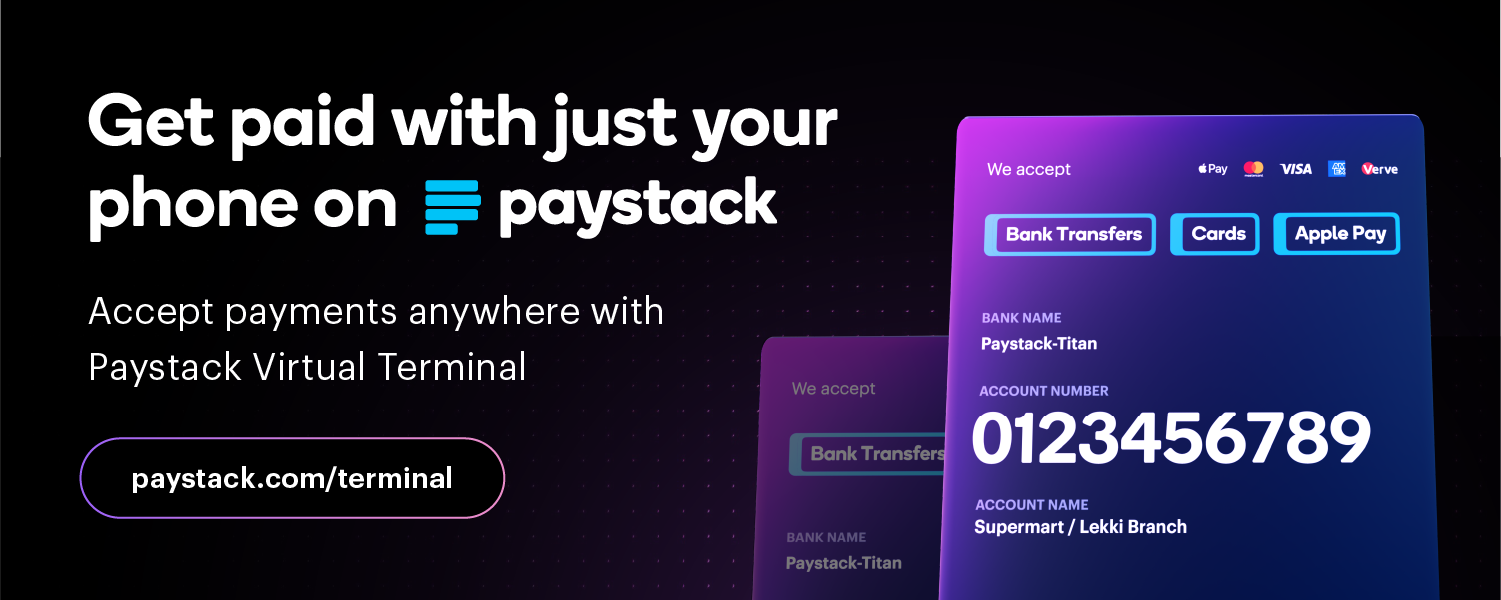
Anyone can sell in-person. With Paystack Virtual Terminal, you can accept secure payments anywhere using just a QR code. No hardware needed. Learn more here →
Streaming
Spotify joins Netflix and YouTube in hiking South African subscription prices

Listening to music might be getting a little bit pricier.
Spotify will raise prices for South African users starting September 2025, bumping its Individual Premium plan from R64.99 to R69.99 ($3.62 to $3.9), while Family and Student plans also go up. It follows Netflix’s June 2025 hike of up to 20% on mid- and top-tier plans, and YouTube’s April 2025 increase of its Premium tier from R71.99 to R79.99 ($4 to $4.5).
Why raise prices now? The move signals a broader shift across Africa, where platforms once priced low to grow market share are now recalibrating for profitability. In just four months, all three of the world’s biggest streaming platforms—Spotify, Netflix, and YouTube—have raised subscription fees in South Africa, one of the continent’s top-paying markets.
While South Africa remains an important high-margin market on the continent, Spotify attributes hikes to rising content licensing costs, inflation, and the need to fund product innovations like personalization and discovery features. The increase is also part of Spotify’s broader push to improve margins and deliver sustainable growth. The company’s stock rallied on news of regional price hikes, while Premium subscriber growth topped 276 million by June 2025. 
In Nigeria, Spotify raised Premium fees by 44% in late 2024, from ₦900 to ₦1,300 (~$0.85)—still the lowest globally, but a jarring shift for millions of users.
While the monthly increases seem modest (R5–R20), they compound over time, especially in markets with high unemployment and tight consumer wallets. As users reassess value for money, platforms may face a tipping point: either justify the higher fees with better content—or risk a rise in account sharing, app hopping, and piracy.
Launch Africa’s Next AI Startup. Start at Mest.
IApplications are open for MEST’s fully funded AI Startup Program. Train with Global Experts | AI – focused | Incubation | Seed Funding Potential | Apply by August 22 → #MESTAI2026
CRYPTO TRACKER
The World Wide Web3
Source:

|
Coin Name |
Current Value |
Day |
Month |
|---|---|---|---|
 Bitcoin Bitcoin |
$114,398 |
+ 0.13% |
+ 5.89% |
| Ether |
$3,658 |
+ 3.57% |
+ 45.46% |
| Litecoin |
$122.70 |
+ 10.68% |
+ 41.14% |
| Solana |
$167.76 |
+ 3.47% |
+ 13.84% |
* Data as of 06.40 AM WAT, August 5, 2025.
Opportunities
- MEST Africa has opened applications for its 2026 AI Startup Programme. The 12-month training and incubation programme will equip West African software developers aged 21–30 with the skills to build scalable AI startups. Selected participants will undergo seven months of hands-on training in Ghana starting January 2026, followed by a four-month incubation for the most promising teams. Applications close August 22, 2025. Apply here.
- Nithio is offering $50,000–$500,000 in flexible financing to clean energy startups in Kenya and Nigeria. Eligible companies include solar home system providers, clean cooking ventures, and businesses selling appliances like solar fridges or mills. Applications open on July 21; learn more.

Written by: Emmanuel Nwosu and Ifeoluwa Igbiniode
Edited by: Faith Omoniyi
Want more of TechCabal?
Sign up for our insightful newsletters on the business and economy of tech in Africa.
- The Next Wave: futuristic analysis of the business of tech in Africa.
- TC Scoops: breaking news from TechCabal
- TNW: Francophone Africa: insider insights and analysis of Francophone’s tech ecosystem
P:S If you’re often missing TC Daily in your inbox, check your Promotions folder and move any edition of TC Daily from “Promotions” to your “Main” or “Primary” folder and TC Daily will always come to you.