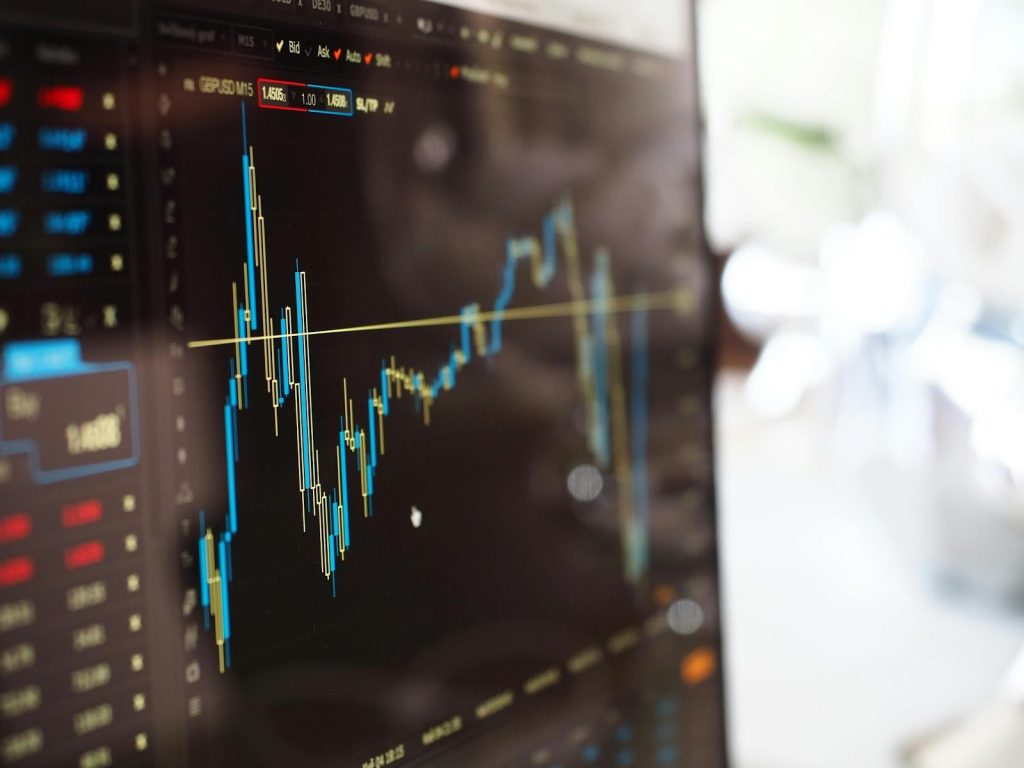
Forex traders working in African markets know that when currencies swing, they swing hard. One can say that the Naira, Rand, and Kenyan Shilling fluctuate, but that might be a huge understatement, because they can swing like there’s no tomorrow, often making dramatic moves that open doors for some and shut them for others. Whether you’re managing risk, seeking arbitrage, or tracking macroeconomic shifts, you can’t ignore the impact these currencies have.
And the volatility isn’t a side effect. It is the market in many cases.
Let’s take forex trading in Kenya. It’s growing fast. The Central Bank of Kenya has actively licensed brokers, and retail participation is rising steadily. But ask any Kenyan trader and they’ll tell you that when the shilling takes a dive against the dollar, it doesn’t just affect your charts. It shifts your risk, affects stop-loss margins, and forces you to reevaluate your entire playbook.
The same goes for indices trading, where local currency strength (or weakness) indirectly impacts exposure to global benchmarks like the FTSE 100 or the S&P 500. If you’re leveraged in a weak currency but holding USD-based indices, even the best trade idea can unravel.
This isn’t a theoretical concern. It’s the daily reality.
The Naira’s Fall: Risk or Golden Opportunity?
Nigeria offers one of the clearest case studies.
The Naira has undergone sharp devaluation cycles, especially following government moves to unify exchange rates. A parallel market still thrives. For forex traders in Nigeria, this creates two overlapping realities. One is the official channel, the other is the “real” street value. Understanding both is critical.
Some profited by:
- Hedging USD exposure: Traders with dollar-denominated assets in offshore accounts benefited as their portfolios inflated in Naira terms.
- Arbitrage trading: A few brokers offered slightly delayed pricing models, allowing sharp traders to exploit small inefficiencies across platforms.
But it wasn’t all upside. Those over-leveraged on local currency pairs saw accounts wiped in hours. Slippage was brutal. Brokers were strained. And when you add in sudden regulatory changes, this type of volatility becomes more minefield than miracle.
The Rand: A Barometer for Political and Global Tides
South Africa’s Rand is volatile, while dancing to a different beat.
It reacts sharply to both local policy uncertainty and global sentiment. When Eskom announces power cuts, or government debt projections rise, the Rand weakens. But it also tracks US bond yields and China’s industrial demand, because South Africa’s economy is globally integrated.
For forex and indices trading professionals, the Rand is a telltale sign. If it strengthens during high commodity cycles (especially gold and platinum), traders often pivot into JSE-based instruments or start shorting the USD/ZAR.
What makes the Rand unique:
- High liquidity: It’s one of the most traded EM currencies globally.
- Carry trade potential: With interest rates often above inflation, traders use ZAR in strategies that hinge on rate differentials.
- Political sensitivity: Local elections, corruption news, or protests can shake the currency regardless of economic fundamentals.
So when traders bet on the Rand, they’re often betting on more than markets—they’re betting on the stability of South Africa itself.
Kenyan Shilling: Stable Until It’s Not
Kenya’s forex market has matured in recent years, and local brokers have invested in tools and education. But the Shilling has become increasingly sensitive to trade deficits, public debt, and external borrowing.
In early 2024, Kenya faced mounting pressure from international lenders. The Shilling fell by over 10% in four months. That move may not sound large by crypto standards, but in forex trading, especially for a regional currency, it’s a major shift.
For traders involved in forex trading in Kenya, this currency drop meant imported inflation, tighter spreads, and increased volatility in currency pairs involving the Shilling. Some traders capitalized on this by shifting to dollar-pegged instruments, while others exited altogether.
Brokers in Kenya also began adjusting margin requirements and increasing spreads on exotic pairs. This introduced added risk to day traders who had previously relied on consistent trading costs.
Opportunities Hidden in the Chaos
Currency volatility, despite the challenges, remains one of the most sought-after features in forex. Without it, there’s no movement. No entry. No profit.
Here’s what experienced traders in Africa do to turn risk into reward:
- Embrace multi-currency strategies: Professionals hedge across different African currencies, reducing exposure to any single collapse.
- Leverage macro data: Political news, central bank decisions, and commodity price shifts are tracked like clockwork.
- Stick to risk protocols: The best traders in volatile markets don’t get greedy. They know one spike can wipe a month’s gain.
Volatility offers profit. But it also requires better decision-making, tighter risk controls, and a deeper understanding of what’s actually moving the market. Not just the chart, but the why behind it.
Technology’s Growing Role in Navigating Volatility
The smarter use of trading technology is shaping how African traders respond to volatile currencies. Modern platforms now offer:
- Real-time news integration tied to forex pairs
- Algorithmic trading strategies based on volatility triggers
- Mobile alerts that react to political developments or central bank announcements
Platforms that support both forex and indices trading are beginning to lead the charge, helping traders react across asset classes without logging into five different dashboards.
Kenya’s brokers have been particularly active in adopting such tools. So have South African firms, where AI-driven analysis is starting to guide entry and exit levels based on sentiment scores.
But even the best tech doesn’t replace basic knowledge. Traders who understand fiscal policy, trade deficits, and global correlations will still outperform those chasing signals without context.