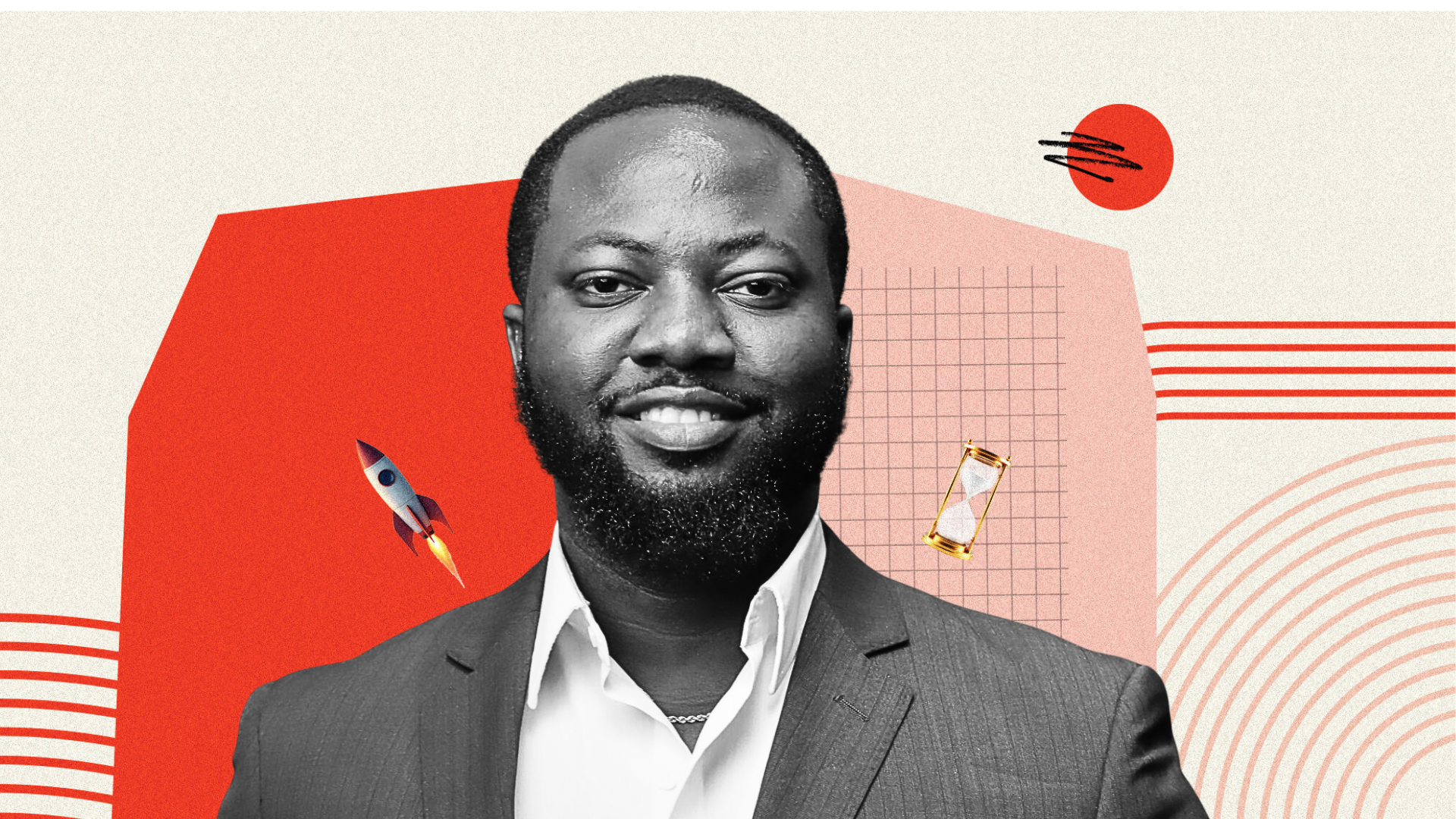


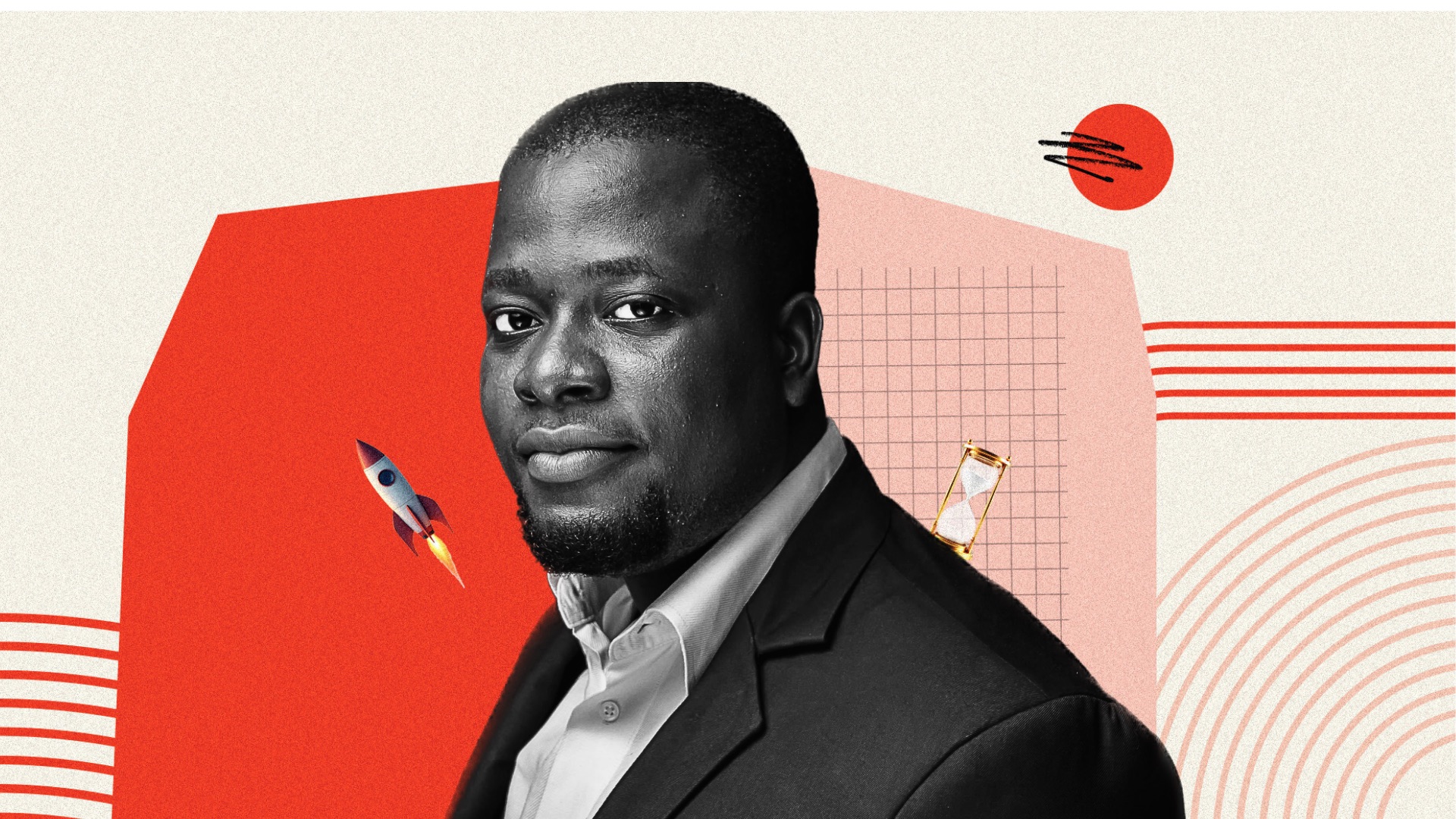
Shina Arogundade spent five months living with tooth pain because his insurance wouldn’t cover the full ₦120,000 ($82.62) for extraction. That experience would eventually reshape his entire company.
In April 2022, Shina Arogundade’s family lost their doctor of 17 years. By September, his father, who had battled chronic hypertension successfully under that doctor’s care, was dead. Five months. That’s all it took.
“His drugs were changed, the way he was treated was changed,” Arogundade recalls. “It was one complaint to the other. The experience left a bad taste in my mouth.”
The problem was clear – Nigerian hospitals operated in silos. No interoperability. No shared records. Doctors treat patients in isolation, sometimes ordering the same tests twice in one week. Arogundade once heard about a woman who nearly died because a doctor changed her diabetes medication dosage without knowing her history.
So in January 2023, Arogundade, who had previously co-founded a fintech company called Trade Lenda, launched MyItura, a digital health platform aimed at making health records interoperable across Nigeria’s fragmented healthcare system.
Three years later, MyItura is providing healthcare financing and preventive telemedicine services to Nigerians.
The EMR dream meets Nigerian reality
The vision was straightforward: build an electronic medical records (EMR) system that would allow hospitals, labs, and pharmacies to share patient data seamlessly. Patients would own their records. Doctors would make better decisions. Healthcare would finally enter the digital age.
“We tested the market, did customer interviews,” Arogundade says. “That was not going to work.”
“Most hospitals did not have the necessary finance to deploy the tools they felt were expensive,” Arogundade explains. “The key problem was not that they wanted to protect patient information. It was costly.”
There was also the cultural barrier. Older doctors accustomed to ‘pen and paper’ weren’t eager to start typing patient notes. The younger generation might be ready, but they weren’t the ones making procurement decisions.
MyItura had built a solution to a problem hospitals acknowledged but wouldn’t pay to solve.
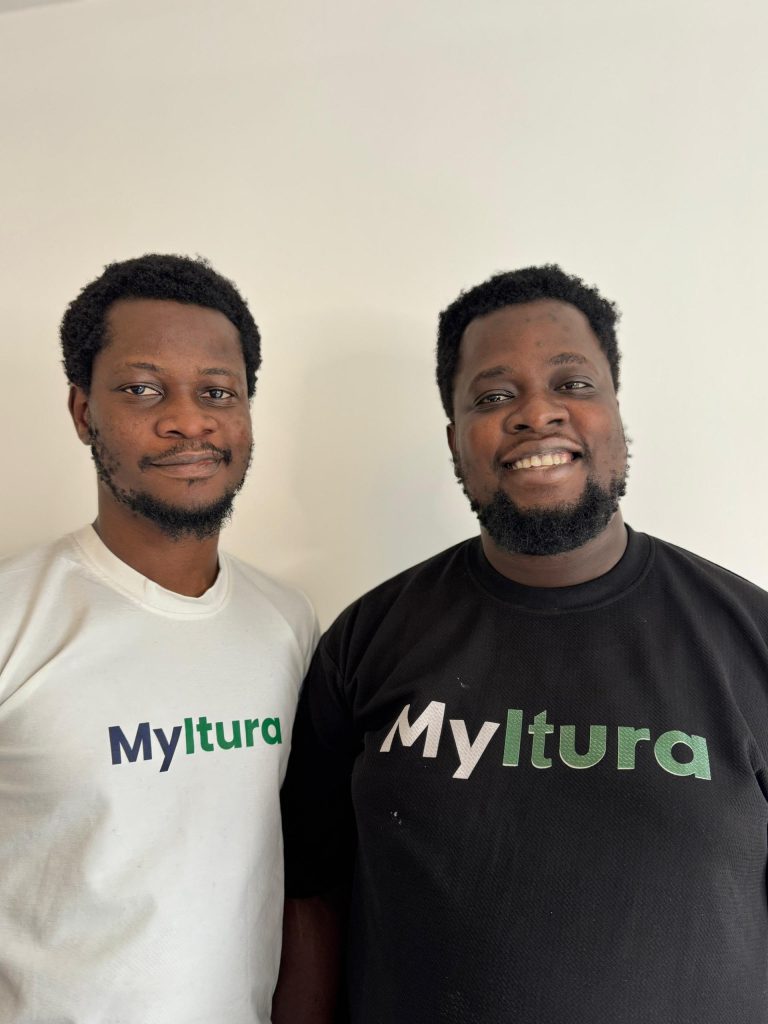
The first pivot: Building accessibility to get records
If hospitals wouldn’t adopt EMR directly, MyItura would have to get creative. The team pivoted to building accessibility tools: telemedicine platforms, AI-powered transcription for doctor-patient conversations, and a lab testing booking system.
The logic was if you can facilitate healthcare access, you can capture records as a byproduct.
They launched telemedicine APIs that other startups could integrate. They gave hospitals without websites a platform to conduct virtual consultations. They built a marketplace where patients could book lab tests and have phlebotomists come to their homes.
“With accessibility, we could then get records,” Arogundade explains. “When a patient and doctor had a conversation, AI could transcribe it, summarise it, help the doctor create notes, and help the patient keep a summary.”
The strategy worked—partially. MyItura started onboarding providers and patients. But the fundamental problem remained: Cost was still the bottleneck.
The lived experience that changed everything
Earlier this year, CCHub issued a call for proposals for its Digital Public Infrastructure (DPI) program.
For Arogundade, the proposal landed at the perfect moment, strategically and personally.
Years earlier, he had needed a surgical tooth extraction. His insurance covered ₦20,000 ($13.79). The procedure cost ₦120,000 ($82.75). He couldn’t afford the gap.
“I didn’t remove that tooth until about five or six months later, trying to gather that money,” he says. “I was living with that pain. They gave me all sorts of things to pour into that tooth. Every night was a new set of pain.”
He had insurance. He had a job. And he still could not afford timely care .
“Because I had lived that experience, I know how painful it is to abandon care for something that could end up being catastrophic,” Arogundade says. “I felt this is something that should be solved for.”
The credit guy returns to credit
The timing was almost poetic. Before MyItura, Arogundade had worked in banking as a credit analyst, writing credit policies for banks. He’d co-founded Trade Lenda, a fintech focused on credit. His entire professional background was in lending.
“When I got the MediLoan idea, it felt like, ‘This is it,’” he recalls. “I’ve been doing healthcare for the last two years, but I have considerable knowledge around credit. This is an idea that fits perfectly.”
In December 2024, MyItura launched MediLoan, a ‘get treated, pay later’ healthcare financing product. Patients can access up to ₦200,000 ($137.32) in credit to cover medical expenses, with the payment going directly to healthcare providers, not to patients.
The product integrates via API, similar to how Paystack works for payments. Providers can add a “checkout with MediLoan” button. Patients click, get approved within 24 hours (or 30 minutes if the provider has integrated the API), receive treatment, and repay over time.
The pilot launched in November 2025. MyItura’s goal is to reach 750 users before a full rollout in February 2026.
Why everyone said no, and why MyItura said yes anyway
Healthcare financing isn’t new as a concept.
“Banks will not do it. Microfinance banks will not do it,” Arogundade says bluntly. “There’s a lot of risk. But it can also be de-risked. I think it’s a reason to find ways to de-risk it.”
The risk is real. What if someone borrows for treatment and dies? What if repayment rates are catastrophic? What if the market isn’t ready?
But Arogundade argues the risk of inaction is worse.
“One in three people abandon care because of cost,” he says. “Someone with simple malaria that ₦10,000 ($6.89) or ₦20,000 ($13.77) should treat, they go to the hospital, that money is not available. They abandon it. They go back home. They use agbo. It affects their kidney. Catastrophic outcomes, instead of a simple malaria drug that just treats them.”
Healthcare financing addresses the meta-problem: People aren’t abandoning care because they don’t want treatment. They’re abandoning care because they can’t pay for it.
The full-circle strategy: Money unlocks software
Here’s the elegant part, healthcare financing might be the key that unlocks MyItura’s original vision of EMR adoption.
If hospitals and labs have financing, they can afford to deploy digital tools. If patients have financing, they can afford to seek care. If both sides have liquidity, the entire ecosystem can digitise.
“If providers have that financing, if they have the liquidity necessary to deploy tools, then the whole electronic health records thing becomes more palatable,” Arogundade explains. “They are more willing to listen to you.”
MyItura is currently building out its APIs to make them available to other healthtech companies. They’re onboarding student ambassadors from medical schools to train hospitals on digital tools and prepare the next generation of doctors to adopt EMR systems from day one.
The team has grown to 13 people – 60% women, spread across tech, business development, operations, and research.
What’s next: The 10-year vision
Arogundade’s vision for healthcare in Nigeria is simple: fewer hospital visits, more home-based care, and zero anxiety about cost.
“Things that can be done at home will be done at home,” he says. “First triage with doctors will happen at home. Pathology tests will largely happen at home. The way Chowdeck delivers food today, healthcare will also be delivered at home.”
And when people do need hospital care? “They will no longer be scared of the cost. It’s going to be, ‘I’m getting treated, and I’m sure MyItura will be there for me, and I can pay back later comfortably.’”
The path from EMR platform to a healthcare financing company wasn’t planned. It emerged from market rejection, personal pain, and the realisation that software alone can’t solve systemic problems when the system can’t afford software in the first place.
For MyItura, the lesson was painful but clear: Sometimes the infrastructure you need to build isn’t the infrastructure you thought you were building. Sometimes you have to finance the infrastructure before the infrastructure can exist.
Recommended Reading: “You need believers more than résumés”: Day 1-1000 of Pharmarun