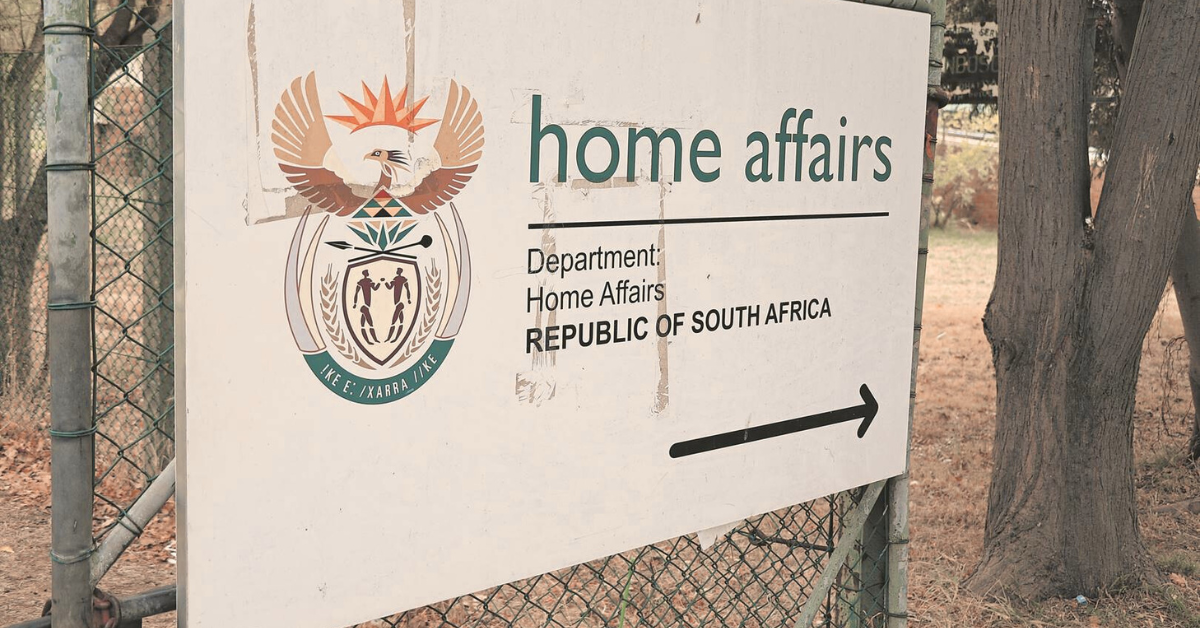
South Africa’s Department of Home Affairs plans to roll out a national digital ID system before year-end, a move that could allow government departments to link their services digitally and improve public access.
The government announced the plan on Friday in Pretoria at a media briefing on progress under its medium-term development.
South Africa’s identity system remains weak, with many government departments still unable to share and use that data in a synchronised digital manner, often forcing citizens to repeatedly verify their identity across services.
The digital ID rollout is anchored by the MyMzansi portal, launched in 2025 as a prototype one-stop platform for government services.
According to the Minister of Planning, Monitoring and Evaluation, Maropene Ramokgopa, the system is designed to enable other departments, such as transport and basic education, to use a shared identity framework to digitise their services. If implemented effectively, this would allow citizens to access multiple government services without repeatedly verifying their identity across separate systems.
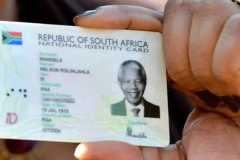
The Department of Home Affairs has spent the past year rolling out its digital transformation strategy. Some key milestones include 3.6 million smart ID cards, surpassing its previous annual record by roughly 500,000. The department also cleared a visa backlog of 306,000 applications that had accumulated over a decade.
Rolling out digital IDs nationwide remains a logistical challenge in a country where more than 30% of the population lives in rural or remote areas. To address this, Home Affairs plans to deploy mobile offices to service communities with low population density.
The department says the use of digital tools such as drones and body cameras at South Africa’s borders increased the detection of illegal crossings during key pilot phases.
Digital IDs, combined with the national population register, would allow departments to authenticate citizens for additional services. One planned application is a digital driver’s licence, to reduce the cost of producing physical cards and simplify related processes such as licence renewals and traffic fine payments.
The initiative also relies on partnerships with the private sector. Banks already provide Home Affairs services at selected branches and support secure identity verification systems, helping the government extend its reach without building all infrastructure internally.
To manage security risks, the department says its strategy includes a verification portal that will enable secure data sharing between government entities to combat fraud, improve service delivery, and support national security.
For South Africa, the digital ID rollout aims to create more coordinated, accessible government services. For other African countries, it offers a practical example of how digital identity systems can support cross-department integration and improve service delivery at scale.